



Map Your Local Darkness
The first step to better stargazing is understanding the enemy: light pollution. This ambient glow from streetlights, buildings, and traffic scatters in the atmosphere, creating a bright veil that hides the stars. To find the darkest possible spot near
you, use an online light pollution map. Websites and apps like LightPollutionMap.info or Dark Sky Map show a colour-coded overlay of night sky brightness. These maps use satellite data to grade areas on the Bortle Scale, which runs from Class 1 (pristine dark sky) to Class 9 (inner-city sky). Even a short trip from a bright white or red zone to a nearby yellow or green one can dramatically increase the number of stars you can see. Look for parks, open fields, or elevated areas that are shielded from direct light sources. In India, major metropolitan areas like Delhi, Mumbai, and Bengaluru register high levels of light pollution, making a short drive to the suburbs or countryside essential for serious viewing.
Let Technology Be Your Guide
Once you have a location, you need to know what you're looking at. Modern stargazing apps are like having a planetarium in your pocket. Apps like SkyView Lite, Star Walk 2, and Stellarium Mobile use your phone's GPS and compass to create an augmented reality view of the sky. Simply point your phone upwards, and the app will identify constellations, planets, and even satellites like the International Space Station (ISS) in real-time. Many of these apps require no Wi-Fi to function, making them perfect for remote or park-based viewing. For more serious astronomers, apps like SkySafari and PhotoPills offer extensive databases of celestial objects and planning tools for astrophotography. Crucially, most of these apps feature a 'red light mode,' which is essential for preserving your night vision.
Preserve Your Night Vision
Seeing in the dark is a biological process. Your eyes need time to adapt, a process that can take 20 to 40 minutes. During this time, your pupils dilate and your rod cells, which are responsible for low-light vision, produce a light-sensitive chemical called rhodopsin. This adaptation can be instantly undone by a flash of bright white light—like the one from your phone screen or a standard flashlight. To avoid this, astronomers exclusively use dim, red-coloured light. Red light has a longer wavelength that doesn't trigger the decay of rhodopsin, allowing you to read a star chart or adjust equipment without losing your dark-adapted vision. You can cover a regular flashlight with red cellophane, paint the lens with red nail polish, or use a dedicated astronomer's headlamp. When using your phone, always enable the red-light mode in your stargazing app.
Practice Light Discipline at Home
Even if you can't travel, you can improve your stargazing from a balcony or backyard by controlling your immediate environment. Turn off all unnecessary outdoor and indoor lights. Even light spilling from windows can reduce your ability to see faint objects. Use full-cutoff fixtures for any essential outdoor lighting, which direct light downwards where it's needed, preventing it from escaping into the sky. Opt for warm-coloured or amber LED bulbs instead of bright, blue-white ones, as blue light scatters more easily and contributes significantly to skyglow. Installing motion sensors or timers can ensure lights are only on when absolutely necessary. By creating your own little bubble of darkness, you give your eyes the best possible chance to adapt and spot dimmer celestial targets.
Choose Your Targets Wisely
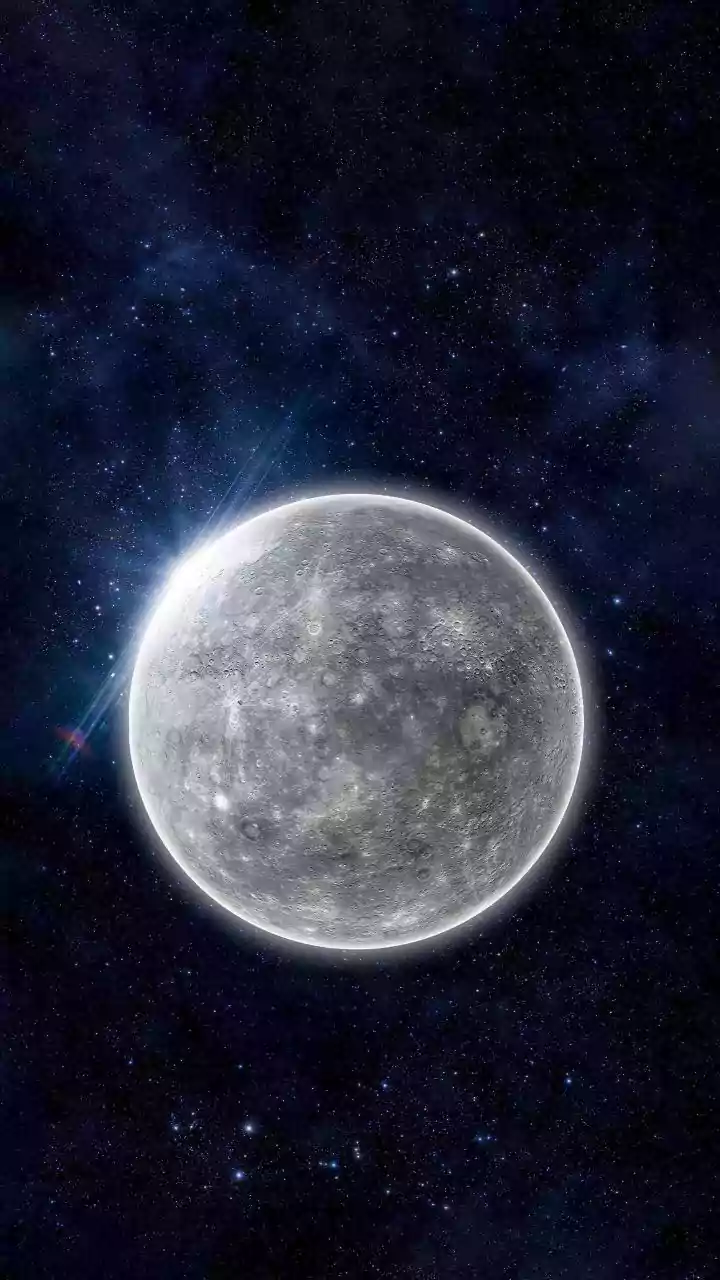
From a light-polluted city, you won't see the Milky Way in its full glory, but there's still plenty to observe. The Moon is a fantastic and easy target at any phase. Binoculars or a small telescope will reveal stunning craters and mountain ranges on its surface. Bright planets like Venus, Mars, Jupiter, and Saturn are often visible even from the heart of a city and are rewarding to track. Many stargazing apps have a 'Tonight's Best' feature, highlighting the most prominent objects for a given night. While faint nebulae and distant galaxies are challenging, some brighter star clusters can be spotted. Using a light pollution filter on a telescope can help by selectively blocking the wavelengths of light emitted by common streetlights, increasing the contrast of certain deep-sky objects. But the simplest start is often the best: just go outside, look up, and learn the major constellations. With patience, the urban sky has many secrets to share.