




Jamun (Java Plum)
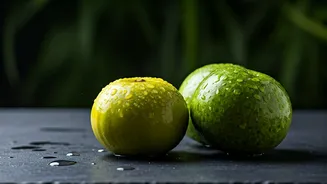
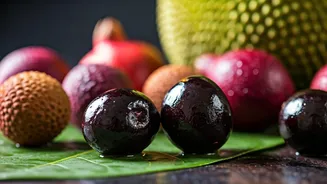
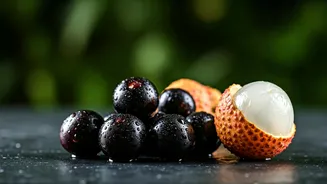
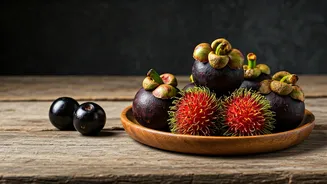
A quintessential monsoon fruit in India, the jamun, also known as Java plum or black plum, is a deep purple, olive-sized fruit with a unique sweet, tart, and slightly astringent flavor. While finding them fresh in the U.S. can be a treasure hunt, they
are celebrated for good reason. Jamun is loaded with Vitamin C, a cornerstone nutrient for a healthy immune response, helping to encourage the production of white blood cells that fight off pathogens. It's also a source of iron and powerful antioxidants called anthocyanins—the same compounds that give berries their rich color—which help protect your cells from oxidative stress. In the States, you're most likely to find jamun as a juice, a powder, or as frozen pulp in Indian or specialty Asian grocery stores. The powder can be easily added to smoothies for a convenient nutritional kick.
Pomegranate
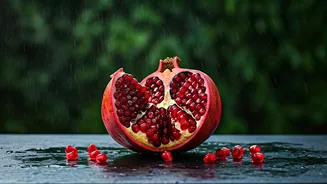
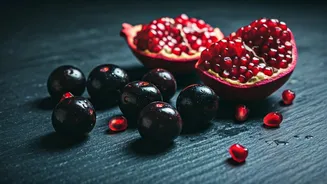
While we associate pomegranates with American autumns, their peak season aligns with the end of the monsoon in many parts of the world. This jewel-toned fruit is practically synonymous with health. Its ruby-red seeds (arils) and the juice they contain are packed with some of nature’s most potent antioxidants, particularly punicalagins and anthocyanins. These compounds are studied for their ability to combat inflammation and protect cells from damage. A single pomegranate can also provide about 30% of your daily Vitamin C needs. More than just a pretty garnish, pomegranates offer a tangible way to support your body's defenses. Sprinkle the arils on salads, yogurt, or oatmeal for a burst of flavor and texture, or enjoy a glass of 100% pure pomegranate juice.
Lychee (or Litchi)
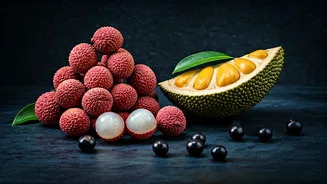
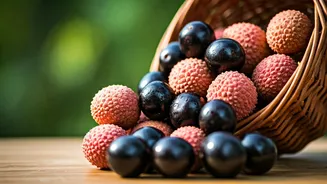
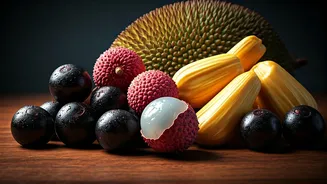
The arrival of lychee is a celebrated event that marks the beginning of the rainy season in parts of Asia. This small, bumpy-skinned fruit conceals a fragrant, sweet, and incredibly juicy white flesh. Beyond its exotic appeal, lychee is an absolute Vitamin C champion. A single serving can deliver well over the recommended daily intake, making it a fantastic choice for immune system support. Vitamin C is a powerful antioxidant that is vital for the function of various immune cells. Lychees also contain other beneficial compounds, including polyphenols like rutin, which have antioxidant and anti-inflammatory properties. Fresh lychees have a short season in the U.S. during early summer, but high-quality canned lychees, packed in water or their own juice, are available year-round and retain much of their nutritional value.
Peaches
You might think of peaches as a classic American summer fruit, but they are also harvested during the monsoon season in various regions. This familiar favorite is a surprisingly effective ally for your immune system. Peaches provide a healthy dose of Vitamin C, which is crucial for immune defense. They are also a good source of Vitamin A, which plays a critical role in maintaining the health of your skin and mucous membranes—your body's first line of defense against germs. The fuzzy skin of a peach is also rich in antioxidants and fiber. By choosing a fruit as accessible and beloved as the peach, you're tapping into a delicious and easy way to consume nutrients that help keep your body's natural defenses in good working order. Enjoy them fresh, grilled, or blended into a smoothie.
Papaya
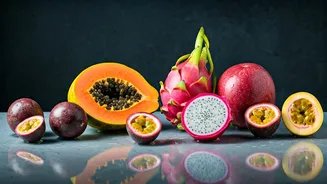
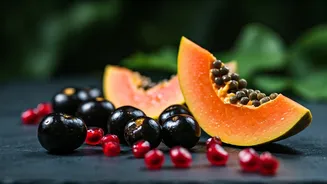
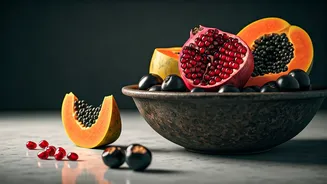
Thriving in tropical climates, papaya is available year-round but hits a sweet peak during rainy seasons. This vibrant orange fruit is another Vitamin C heavyweight, with a single cup providing more than 100% of your daily value. This nutrient is essential for building and repairing tissues throughout the body and for the proper functioning of your immune system. Papaya also contains an enzyme called papain, which has anti-inflammatory effects that can help your body respond to stress. Furthermore, it's a great source of Vitamin A and lycopene, another powerful antioxidant. Available in most U.S. supermarkets, papaya is a simple and effective addition to your diet. Enjoy it cubed in a fruit salad, blended into a tropical smoothie, or simply with a squeeze of lime.