


The Search for Quiet
The primary driver behind this shift is a collective search for peace and relaxation. A 2026 Travel Outlook report by digital travel platform Agoda revealed that 67% of Indian respondents named relaxation as their main reason for travelling. This desire
is a direct response to the pressures of modern urban life, including high rates of workplace burnout. A recent Deloitte global survey found that 70% of Indian Gen Z and millennials reported experiencing burnout. The frantic pace of a traditional holiday—rushing from one sight to another—no longer feels like a true escape. Instead, travellers are seeking destinations that offer a genuine break from the noise, both literal and digital. This has given rise to 'hushpitality', a travel style centred on tranquillity and a deeper connection with nature.
From Checklists to Connections
This new travel philosophy is less about checking destinations off a list and more about the quality of the experience. It's about depth over distance. A significant 91% of Indian travellers now prioritize nature scenery over photo opportunities when planning trips. This reflects a move away from performative travel towards more personal and meaningful journeys. The focus is on immersive activities that foster a sense of presence and calm, such as birdwatching, foraging, or simply enjoying the serenity of a natural landscape. This search for authenticity is also fuelling the boom in homestays, which allow travellers to connect with local culture in a way that chain hotels often cannot. By staying with local families, visitors gain insights into regional cuisine, traditions, and a different way of life.
The Rise of the 'Workation'
The widespread adoption of remote and hybrid work models has been a major catalyst for slow travel. With the freedom to work from anywhere, many Indian professionals are choosing to trade their city apartments for extended stays in scenic locations. Mountain towns in Himachal Pradesh and Uttarakhand, in particular, have become popular long-stay hubs for a new breed of digital nomads and 'workationers'. This allows them to blend productivity with leisure, working during the day and exploring local trails and cafes in their free time. The homestay sector has adapted quickly, offering month-long packages with amenities like reliable internet to cater to this growing market of long-stay guests.
Where Are Indians Going?
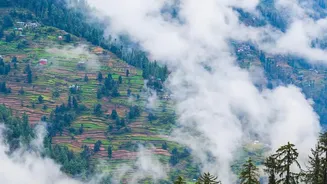
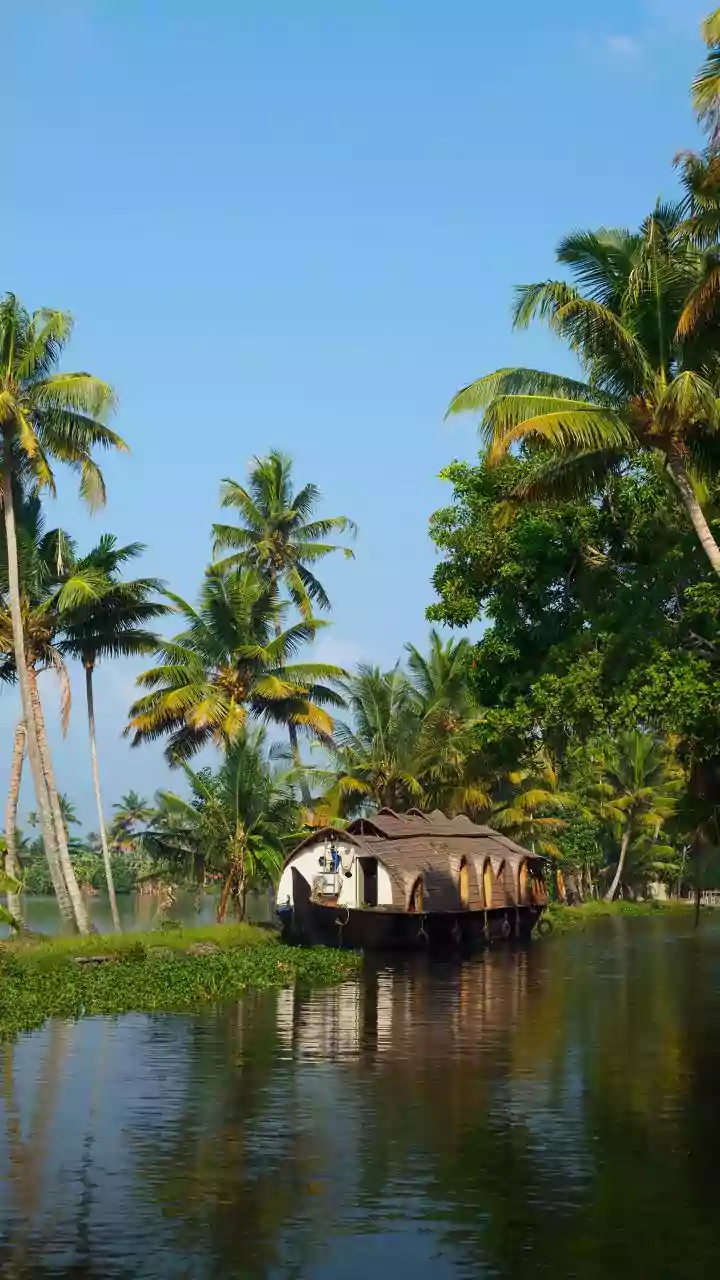
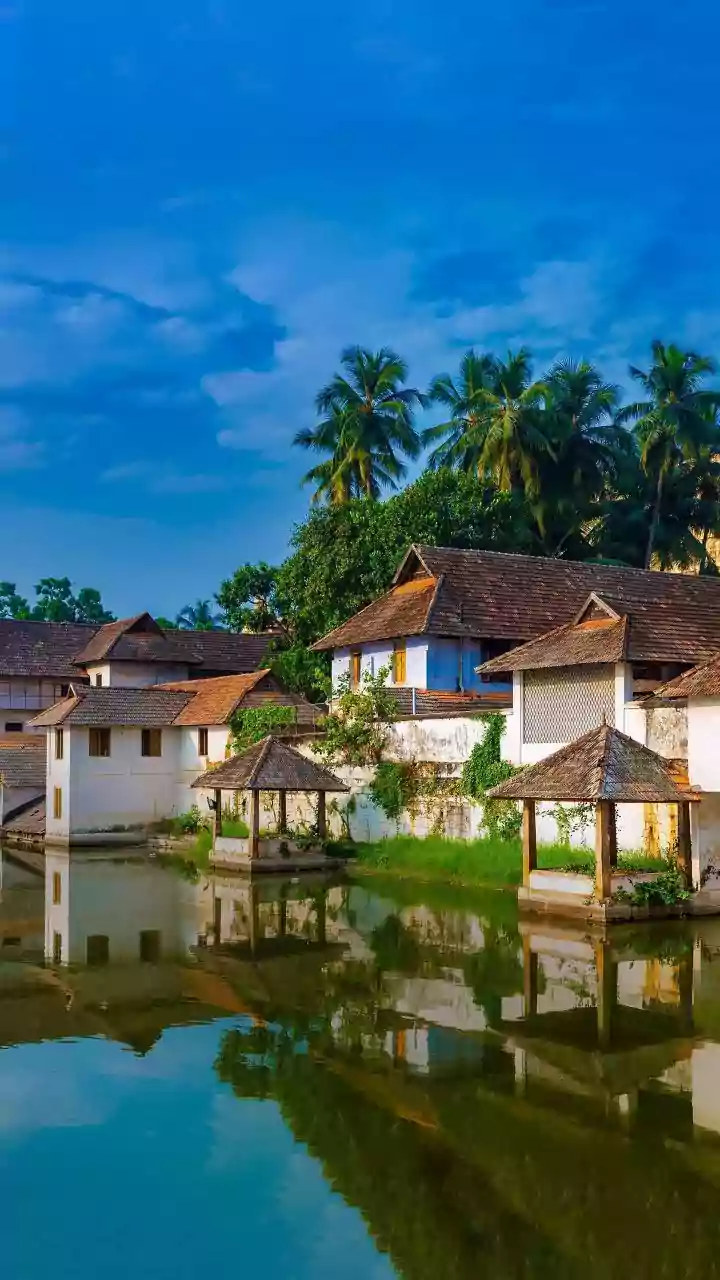
While the appeal is nationwide, certain regions are emerging as frontrunners in this trend. The Himalayan states are seeing a massive surge in interest. Accommodation searches for Dharamshala, for example, saw a 154% year-on-year increase, while Rishikesh grew by 65%, according to Agoda. In the south, the serene backwaters and responsible tourism initiatives in Kerala, and the coffee estates of Coorg, Karnataka, offer a blend of nature and slow living. States like Sikkim, India's first fully organic state, are attracting travellers who prioritize environmental responsibility. The government is also responding to this demand, with the Union Budget 2026-27 outlining plans to develop thematic eco-tourism trails across the country, from mountain paths to coastal turtle-nesting sites.
A Sustainable Shift
Underlying this trend is a growing consciousness about the environmental and social impact of travel. A 2026 survey found that 88% of Indian travellers consider sustainability important when making travel choices, placing India third in Asia for this priority. This isn't just about avoiding plastic; it's a broader understanding that includes supporting local economies, preserving cultural heritage, and choosing travel options that benefit host communities. By opting for locally-owned homestays, buying crafts from the source, and spending more time (and money) in a single location, slow travellers are contributing to a more equitable and sustainable tourism model. This conscious shift suggests that the move towards nature and slowness is not a fleeting fad, but a fundamental change in how Indians want to experience the world.