



An Ancient Grain for Modern Mornings
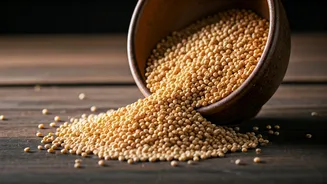
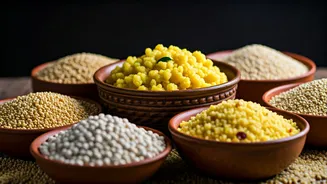
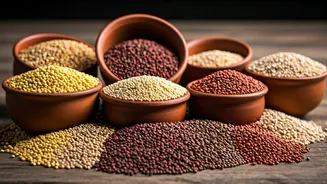
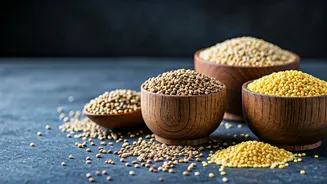
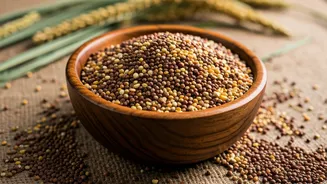
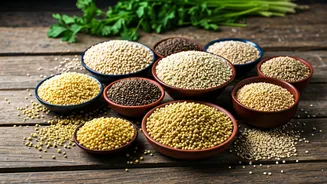
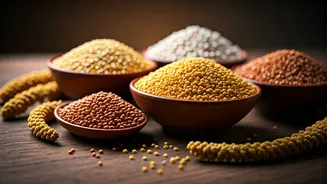
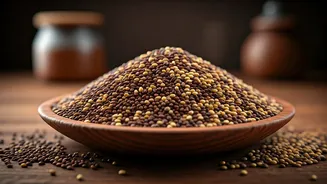
Sorghum, or jowar as it is widely known in India, is a resilient and versatile millet that has been a staple for generations. This humble grain is making a comeback in modern kitchens, celebrated for its impressive nutritional profile and its naturally
gluten-free properties. Rich in protein, fibre, and essential minerals like iron, magnesium, and phosphorus, jowar offers sustained energy, making it an excellent choice for breakfast. Its high fibre content aids digestion and promotes a feeling of fullness, helping you stay energised throughout the morning.
A Warm Hug in a Bowl: Jowar Porridge
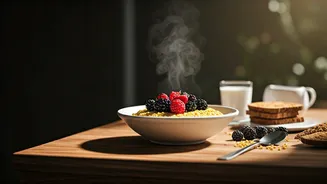
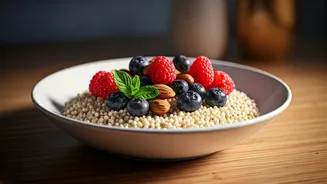
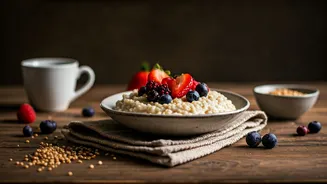
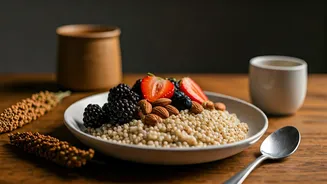
One of the simplest ways to enjoy jowar is as a warm, creamy porridge. It's the kind of breakfast that feels like a comforting hug. To make it, you can use either whole sorghum grains or jowar flour. If using whole grains, it's best to soak them for a few hours or overnight to soften them. Cook the soaked grains with water or milk until tender, which can take 45-60 minutes. For a quicker version, whisk fine jowar flour into cold water to create a paste before adding it to boiling water, which helps prevent lumps. Simmer for 10-15 minutes until it thickens. You can serve it sweet with milk, jaggery, and fruit, or savoury with tempered spices and vegetables.
Savory Jowar Upma
For those who prefer a savory start, Jowar Upma is a delightful and filling option. This dish replaces the traditional semolina (rava) with whole sorghum grains. After soaking and pressure-cooking the jowar until soft, you can temper it with classic South Indian ingredients. Heat oil and sizzle mustard seeds, cumin seeds, urad dal, and curry leaves. Sauté onions, green chillies, ginger, and a colourful mix of your favourite vegetables like carrots, peas, and beans. Finally, stir in the cooked jowar, season with salt, and finish with a squeeze of lemon juice and fresh coriander for a vibrant and nutritious meal.
Fluffy Pancakes and Dosas
Jowar flour is fantastic for making gluten-free pancakes and dosas. To create savoury pancakes, you can mix jowar flour with other flours like rice flour or cornmeal, and add finely chopped vegetables like onions, capsicum, and tomatoes to the batter. For a traditional dosa, the process involves soaking jowar along with urad dal and a little rice, then grinding it into a smooth batter and allowing it to ferment overnight. This fermentation process not only develops flavour but also enhances the nutritional value. Cook them on a hot tawa until crisp and serve with your favourite chutney for a truly satisfying breakfast.
Wholesome Jowar Roti
A staple in many parts of India, jowar roti or bhakri can also be a wonderful addition to a hearty breakfast. This unleavened flatbread is made by kneading jowar flour with hot water to create a soft, pliable dough. The trick is to knead the dough well while it's still warm. You can pat the rotis out by hand or roll them gently using some extra flour for dusting. Cook on a hot tawa on both sides until they puff up. These soft rotis pair beautifully with a simple vegetable curry, a dollop of yogurt, or a spicy chutney like thecha. You can also enrich the dough by adding chopped greens like methi (fenugreek) or spinach.