




Understanding the Root Cause of Damp Walls
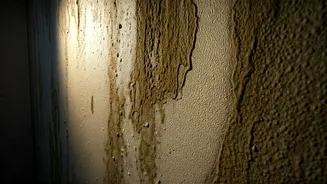
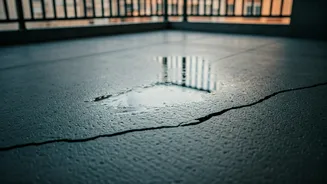
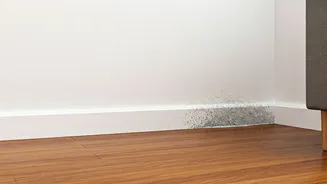
Before you can treat dampness, you must identify its source. In Indian homes, dampness isn't just a monsoon problem; it can stem from several issues year-round. The most common culprits include penetrating damp from rainwater seeping through external
walls, especially if there are cracks or porous bricks. Another major issue is rising damp, where groundwater travels up through the foundation and into the walls. Internally, hidden plumbing leaks from bathrooms or kitchens, and poor ventilation that leads to condensation, are also significant contributors. When warm, humid air meets a cooler wall, tiny water droplets form, creating damp patches even without a direct leak. Spotting the cause—be it a leaky pipe or poor external waterproofing—is the first step to a permanent solution.
Immediate Steps to Control Dampness
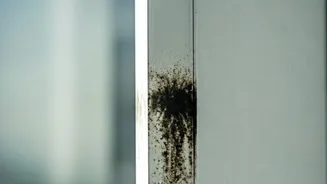
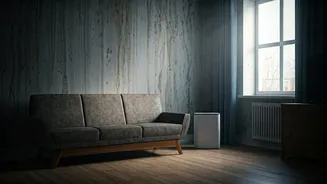
Once you notice damp patches or a musty smell, taking immediate action can prevent the problem from worsening. The simplest and most effective first step is to improve ventilation. Open windows and doors whenever possible to allow moist air to escape, and use exhaust fans in high-humidity areas like kitchens and bathrooms. For persistent dampness, especially during humid seasons, a dehumidifier can be a great investment to pull excess moisture from the air. If you see any visible moisture or mould, clean the surface immediately with a mild solution. A mix of white vinegar and water is an effective natural disinfectant. Also, try to reduce moisture-generating activities indoors, such as drying clothes inside.
Safeguarding Your Wooden Furniture
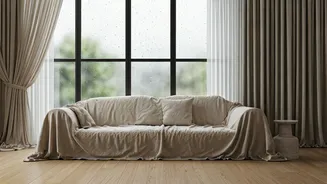
Wooden furniture is particularly vulnerable to high humidity, which can cause swelling, warping, and fungus growth. A simple but crucial preventive measure is to keep furniture at least four to six inches away from walls, especially external ones that might be damp. This gap allows air to circulate freely, preventing moisture from being absorbed by the wood. For wardrobes and drawers, natural moisture absorbers can work wonders. Place camphor balls, naphthalene balls, neem leaves, or silica gel packets inside to absorb excess humidity and keep pests away. Regular cleaning with a dry cloth is essential, and you should avoid using wet cloths that can add to the moisture problem. Before the monsoon arrives, applying a fresh coat of wax or polish can create a protective barrier against moisture.
DIY and Natural Remedies
For minor damp issues, several effective home remedies can help manage the problem. Rock salt and charcoal briquettes are excellent natural dehumidifiers; placing them in bowls in damp corners can help absorb airborne moisture. Baking soda is another versatile tool—sprinkling it on surfaces or leaving an open box in a cabinet can absorb both moisture and musty odours. For cleaning mould off surfaces, a paste of baking soda and water or a spray solution of vinegar can be effective. Neem leaves are a traditional Indian remedy with natural antifungal properties, making them great for placing inside wardrobes and bookshelves. Even something as simple as installing a low-wattage bulb inside a large, dark cabinet can generate enough heat to keep moisture at bay.
Long-Term and Professional Solutions
While immediate fixes and DIY remedies are helpful, chronic dampness often requires a more robust, long-term solution. For issues like penetrating damp, the exterior of your home needs attention. This involves filling any cracks in the external walls with crack-filler and applying a waterproof exterior coating. For rising damp, a professional might need to install a damp-proof course (DPC), which is a horizontal barrier installed at the base of the walls to block moisture from the ground. Internally, once the source of the damp is fixed, you can use waterproof putties and paints. These products create a seal that prevents any residual moisture from reaching the surface. In severe cases where plaster is damaged, it may need to be removed and the wall re-plastered with a water-resistant compound before painting. Consulting a professional contractor is advisable for significant structural issues to ensure the problem is resolved correctly.