






Why Your Body's Clock Cares About Light
Your body runs on an internal 24-hour clock known as the circadian rhythm. This clock regulates everything from hormone release to body temperature and, most importantly, your sleep-wake cycle. Its primary cue is light. Bright, blue-toned light—like morning
sun—tells your brain to be alert and awake. Conversely, the absence of this light and the presence of dim, warm light signals that it's time to produce melatonin, the hormone that prepares your body for sleep. For shift workers, this system is thrown into disarray. You might be trying to sleep when the sun is high or stay awake under artificial lights late at night. The key to better rest is to use indoor lighting to mimic the natural sunset, signaling to your brain that it's time to wind down, even if it’s 7 a.m.
Start Dimming Before Your 'Bedtime'
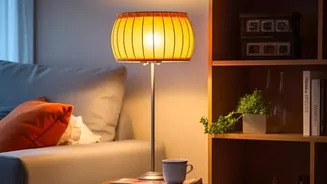
The transition to sleep shouldn't be abrupt. About 60 to 90 minutes before you plan to go to bed, begin dimming the lights in your home. This gradual reduction in overall brightness is the first step in signaling to your body that the day is ending. Instead of using harsh overhead fixtures, switch to lamps that provide softer, indirect light. This period is about creating a calm, low-stimulus environment. Think of it as creating your own personal twilight. This simple act of lowering the intensity of light can kick-start the body's process of preparing for sleep, making it easier to drift off once your head hits the pillow.
Swap Cool Blue for Warm Red
Not all light is created equal. The blue wavelengths found in standard LEDs, fluorescent bulbs, and digital screens (phones, tablets, TVs) are particularly effective at suppressing melatonin. This is great for staying alert during a shift but detrimental when you're trying to rest. Studies have shown that red and amber-toned light have a minimal effect on your circadian rhythm. Consider investing in smart bulbs that allow you to change the color temperature. Program them to shift to a warm, amber, or even red hue in the hours before you sleep. If smart bulbs aren't an option, look for standard LED bulbs with a low Kelvin rating (2700K or less) for your evening fixtures, which produce a warmer, more sleep-friendly glow.
Target Red Light for Winding Down
For the final hour before bed, red light is your best ally. Research from institutions like the National Institute for Occupational Safety and Health (NIOSH) indicates that red light can help maintain alertness when needed without disrupting melatonin production. This makes it unique. While you wind down, you can use a dim red light to read or move around your home without sending your brain the 'wake up' signals that other colors do. A simple, low-wattage red light bulb in a bedside lamp can provide enough visibility for your pre-sleep routine while protecting your body’s natural sleep signals.
Control Light on Your Commute and in the Bedroom
Your light management strategy extends beyond your living room. If you finish a night shift and drive home as the sun rises, that bright morning light is actively working against your desire to sleep. Wearing dark, blue-light-blocking sunglasses on your commute home can prevent the sun from prematurely shutting down your body's melatonin production. Once you're home, your sleep environment should be as dark as possible. Blackout curtains and sleep masks are essential tools for shift workers. Even small amounts of light can disrupt sleep quality. By creating a pitch-black 'cave' for daytime sleep, you give your body the best possible chance to get deep, restorative rest.