
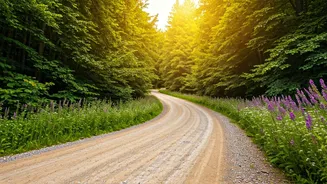



Authentic Wilderness Over Artificial Parks
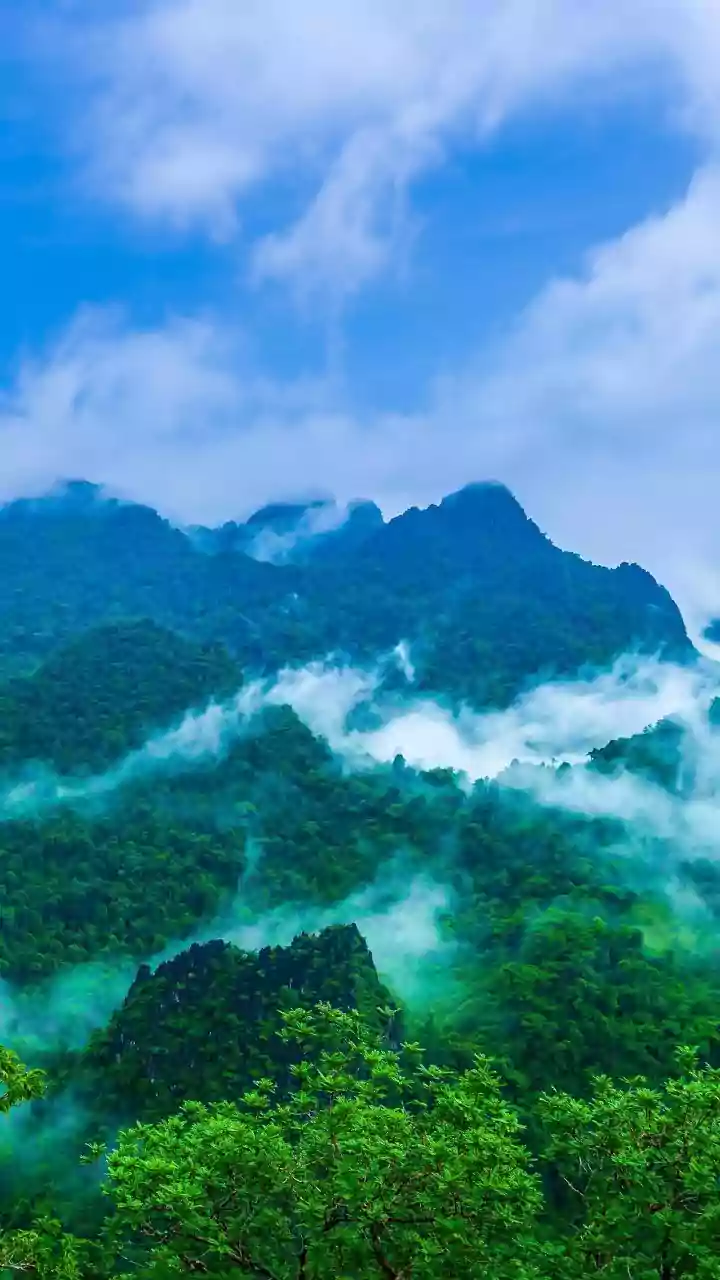
Commercial hill stations offer curated nature. Think manicured botanical gardens, boating lakes with fixed perimeters, and viewpoints accessible by car. Kudremukh, on the other hand, is a protected National Park. Its beauty isn’t manufactured for tourists;
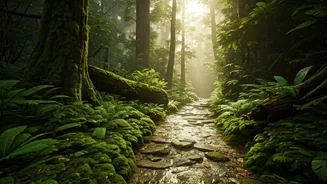
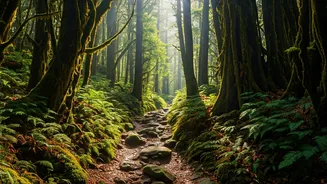
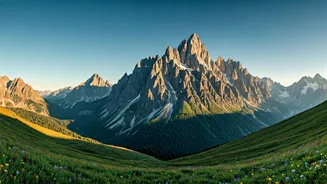
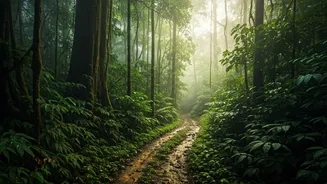
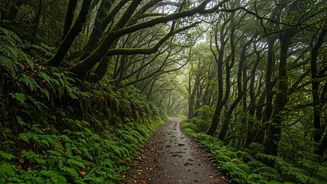
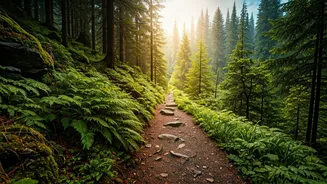
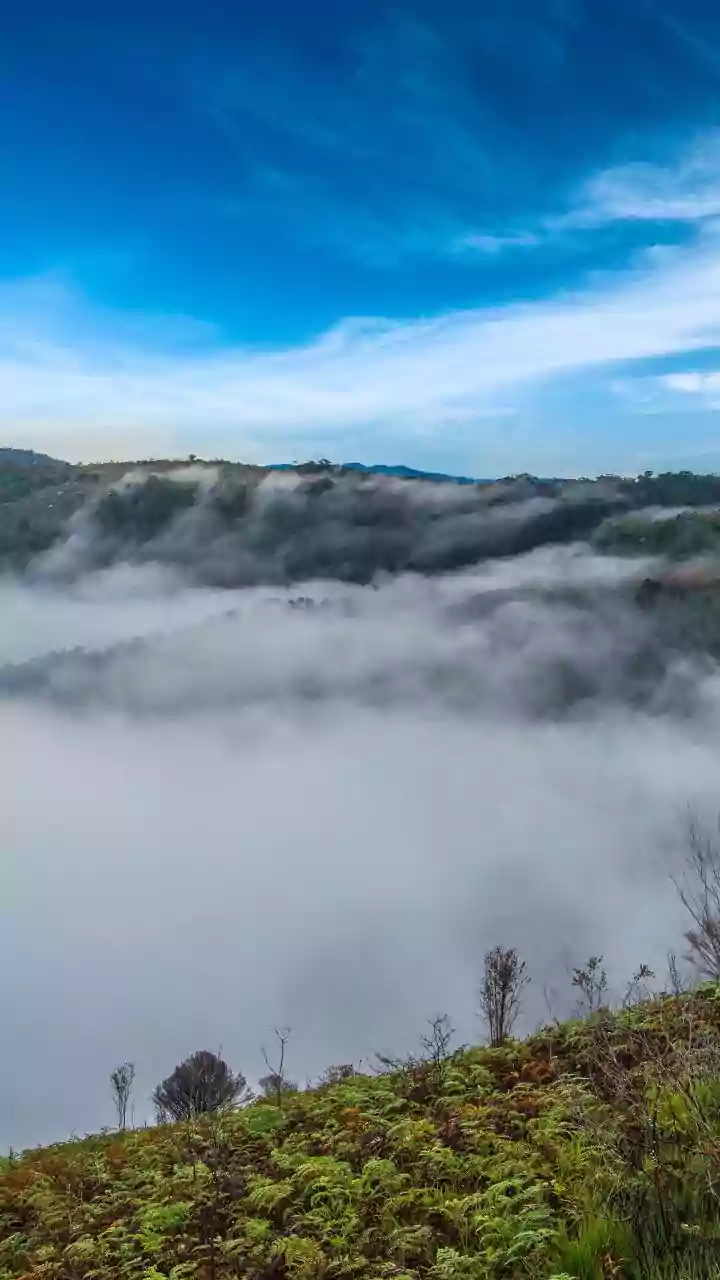
it’s a living, breathing ecosystem. The trails wind through rolling Shola grasslands, dense forests, and across pristine streams. Here, you don’t just see nature—you are immersed in it. The landscape is raw, vast, and refreshingly real. Instead of posing next to a telescope-for-hire, you might spot a Malabar giant squirrel or hear the call of a hornbill. It’s an encounter with the wild, not a ticketed attraction.
The Journey as the Destination
In places like Ooty or Shimla, the goal is often to 'reach' a specific spot: a waterfall, a sunset point, a famous cafe. The journey there is frequently a frustrating crawl through traffic. In Kudremukh, the trek itself is the main event. The rhythm of your own footsteps, the challenge of a steep ascent, and the camaraderie with fellow trekkers become the core of the experience. The reward isn't just the panoramic view from the peak (which is breathtaking), but the entire process of getting there. It's a physical and mental engagement that a passive car ride to a viewpoint can never replicate. You earn your vistas, making them feel infinitely more valuable.
Soothing Silence, Not Tourist Noise
Imagine the soundtrack of a typical hill station holiday: car horns, vendors shouting, music blaring from shops, and the constant hum of a crowd. Now, replace that with the soundscape of Kudremukh: the wind rustling through the grasslands, the gurgle of a hidden stream, the distant chorus of birds, and the profound quiet of the mountains. The wilderness offers a genuine sonic detox. This absence of man-made noise allows for introspection, peaceful conversation, and a deeper connection with your surroundings. It’s a level of tranquillity that commercial hubs, designed to cater to masses, have long since lost.
Regulated Access Fosters Respect
Kudremukh is not a free-for-all. As a National Park, access is regulated by the Forest Department. Trekkers need permits, are often required to go with a registered guide, and must adhere to strict rules, including a ban on plastics. This might seem like a hassle, but it’s the very system that preserves its pristine condition. This structure fosters a sense of responsibility and respect for the environment. In contrast, many commercial destinations suffer from the strain of unregulated mass tourism, leading to litter, pollution, and environmental degradation. By choosing a regulated path, you become part of a sustainable tourism model that protects the beauty you came to see.
A Genuine Adventure, Not a Checklist
The commercial hill station experience can often feel like a checklist: visit Point A, eat at Restaurant B, shop at Market C. It’s a predictable itinerary designed for mass consumption. A trek in Kudremukh is an unscripted adventure. The weather can change, the trail can be challenging, and every journey is unique. It pushes you out of your comfort zone and demands your full attention. You don’t just consume the experience; you actively participate in it. This feeling of accomplishment—of having navigated a piece of the wild world on your own terms—is a far more lasting souvenir than anything you could buy on a crowded market street.