






From Weight Loss To Well-Being
For years, the primary motivation for many Indians joining a gym was weight loss, a goal almost exclusively pursued through aerobic exercise. The cardio section was packed, while the weights area was often seen as the domain of serious bodybuilders. This
mindset is undergoing a significant transformation. The conversation around fitness is broadening from just shedding kilos to building a capable, resilient body for the long haul. People are realising that true health isn't just about a number on a scale but about having the energy for daily life, improving posture, and investing in future wellness.
The 'Why' Behind Lifting Weights
So, what is driving this newfound love for lifting? The benefits of strength training are becoming more widely understood, and they extend far beyond large muscles. Regular resistance training boosts metabolism more efficiently than cardio alone, helping the body burn calories even at rest. It is also crucial for developing strong bones, which helps protect against osteoporosis, a condition that can be a concern due to genetic and lifestyle factors in India. For many, the appeal is functional. Strength training improves your ability to perform everyday activities, from carrying groceries to playing with children, enhancing overall quality of life and independence as one ages.
Functional Fitness For A Stronger Life
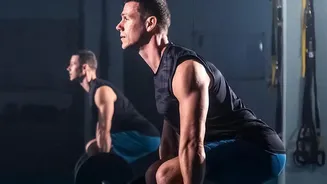
The trend leans heavily towards 'functional fitness'. This isn't about training for a bodybuilding competition but building practical, real-world strength. The focus is on compound movements — exercises like squats, deadlifts, and overhead presses that work multiple muscle groups at once, mimicking everyday actions. The goal is to move better and feel stronger in daily life. This approach makes strength training less intimidating and more relevant to the average person who simply wants to improve their health. The rise of hybrid fitness models, which combine strength and cardio, also reflects this balanced approach.
Demystifying Strength for All
Social media and a new generation of educated fitness professionals have played a huge role in demystifying strength training. Trainers and online content creators are breaking down stereotypes, showing that lifting weights is for everyone, regardless of age or gender. Women, in particular, are embracing strength training for its empowering effects and health benefits, moving past outdated fears of becoming 'bulky'. This increased access to quality information helps beginners understand the importance of proper form and progressive overload — the principle of gradually increasing the challenge to get stronger over time.
How to Start Smart
For any beginner, starting a strength training journey can feel daunting. Experts advise starting slow. A typical recommendation for novices is two to three full-body workouts per week, not daily sessions. This allows the body adequate time to recover and build muscle. The initial focus should always be on mastering the form with lighter weights or even just bodyweight before trying to lift heavy. Don't be afraid to ask for guidance from certified trainers at the gym. A short demonstration on how to perform an exercise correctly is invaluable and can prevent injuries down the line. The key is consistency, not intensity, especially in the beginning.