







The Smart Wardrobe Revolution
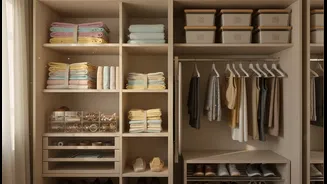
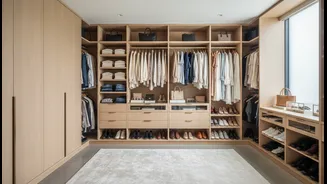
A smarter wardrobe isn't about having more clothes; it's about having the right systems. Start by categorising everything. Group your kurtas, sarees, trousers, and shirts together. Using slim, matching hangers can instantly create more space and a cleaner
look. Consider the one-year rule: if you haven't worn something in the last 12 months, it may be time to let it go. For Indian wardrobes, which often hold a mix of daily, festive, and seasonal wear, file-folding clothes in drawers or using transparent storage boxes for items like swimwear or athletic sets can be a game-changer. This method allows you to see everything at a glance without disturbing neat piles. For heavy ethnic wear or delicate sarees, consider designated storage boxes or hanging sections to keep them pristine. Organising by category and frequency of use will transform your daily routine, making it easier to find what you need without the morning chaos.
Unlocking Hidden Storage Everywhere
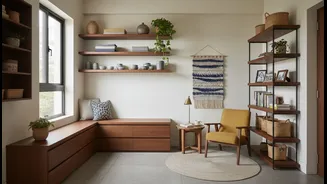
In urban homes, every square inch matters. The key is to look for storage potential in unused spaces. When floor space is limited, think vertically. Floor-to-ceiling wardrobes not only maximize storage but also make a room feel taller and prevent dust from collecting on top. The space under your bed is a goldmine; hydraulic lift beds offer a massive hidden compartment for extra bedding, luggage, and seasonal clothing. Even if you don't have a hydraulic bed, stackable boxes with wheels can slide underneath. Multi-functional furniture is your best friend. A storage ottoman can serve as a footrest, extra seating, and a discreet box for throws or magazines. Similarly, wall-mounted foldable desks and tables can create an instant office or dining nook that disappears when not in use. Don't forget overlooked spots like the space above doors for shelves, behind mirrors for slim cabinets, or even using stylish trunks (the classic sandook) as coffee tables with storage inside.
Decluttering with Purpose and Planet
Sustainable decluttering goes beyond just throwing things out; it's about making conscious choices that benefit both society and the environment. Before you discard an item, ask if it can be donated, recycled, or repurposed. If items are in good condition, consider donating them. Organisations across India, such as Goonj for clothes or Toy Bank for toys, ensure your pre-loved items find a new home. For electronics that are no longer functional, responsible e-waste recycling programs are crucial to prevent environmental harm. Repurposing is another creative and sustainable option. Old glass jars can become storage for kitchen staples, torn bedsheets can be cut into cleaning rags, and old wooden furniture can be upcycled into unique decor pieces. Adopting a "one-in, one-out" rule—where you let go of one item for every new one you bring in—can help maintain balance and prevent future clutter.
Building Systems for a Tidy Future
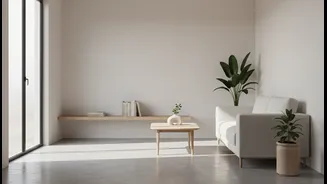
The final, and perhaps most crucial, step is creating systems that help you maintain your newly organised space. An effective strategy is to make decluttering a regular habit rather than a once-a-year marathon. Dedicate just five or ten minutes each evening to clearing surfaces like your dining table or kitchen counter. Waking up to a clean slate is incredibly energising. Create a designated "donation box" in a closet or storage area. As you come across items you no longer need, simply place them in the box. Once it's full, you can schedule a drop-off or pickup. Labeling shelves and boxes also helps maintain order, as it reminds everyone in the household where things belong. Ultimately, the goal is not perfection, but a functional, peaceful home that supports your lifestyle. By being mindful about what you bring into your home and creating simple, daily habits, you can keep clutter at bay for good.