




Delhi's Annual Winter Air Crisis
Every year, as temperatures drop, Delhi's air quality plummets to alarming levels. A combination of factors creates this perfect storm of pollution. Cooler air traps pollutants close to the ground, a phenomenon known as temperature inversion. This prevents
the dispersal of emissions from vehicles, industrial activity, construction dust, and smoke from stubble burning in neighbouring states. The result is a thick, toxic smog that engulfs the National Capital Region, forcing residents to breathe air often rated 'severe'. This seasonal crisis makes our homes the last line of defence for our respiratory health, prompting many to seek effective ways to improve indoor air quality.
The Science of Green Air Filters
The idea that houseplants can clean indoor air gained widespread attention following a 1989 NASA study. The research found that certain common indoor plants could remove volatile organic compounds (VOCs) like benzene, formaldehyde, and trichloroethylene from sealed environments. Plants absorb these pollutants through tiny pores on their leaves and transport them to their roots, where microbes in the soil help break them down. However, it's important to have realistic expectations. While plants do help, they cannot single-handedly eliminate the high concentration of PM2.5 particles characteristic of Delhi's winter smog. Subsequent studies have shown that you would need a very large number of plants to match the effectiveness of a HEPA air purifier. Think of them as a natural, supplementary system—a living, breathing part of a healthier home strategy, not a magic bullet.
Best Air-Purifying Plants for Indian Homes
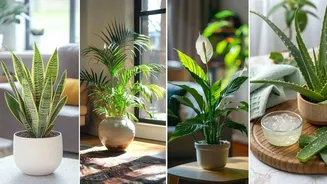
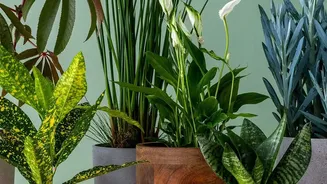
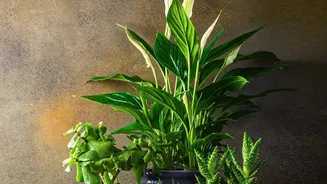
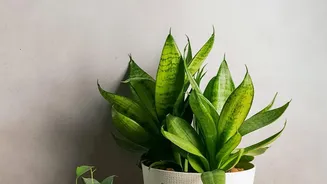
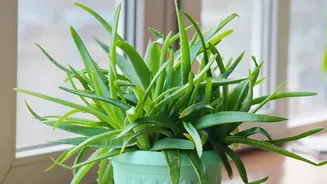
Choosing the right plants is key. You need resilient, low-maintenance varieties that are proven to be effective and are well-suited to Indian homes. Here are some of the top performers:Snake Plant (Sansevieria trifasciata): Often called the 'bedroom plant', the Snake Plant is a powerhouse because it releases oxygen at night, unlike most other plants. It's incredibly hardy and effective at filtering out formaldehyde, benzene, and xylene.Areca Palm (Dypsis lutescens): This graceful palm is a natural humidifier, which is a bonus during dry winter months. It's known for its ability to remove common indoor toxins while adding a lush, tropical feel to your living space.Money Plant (Epipremnum aureum): One of the easiest plants to grow, the Money Plant, or Pothos, is excellent for beginners. It thrives in various light conditions and is a steady worker, filtering out chemicals like formaldehyde and carbon monoxide from the air.Peace Lily (Spathiphyllum): With its elegant white flowers, the Peace Lily is more than just decorative. It was one of the top performers in NASA's study and is particularly good at removing ammonia, benzene, and formaldehyde.Spider Plant (Chlorophytum comosum): This fast-growing plant is highly effective at removing formaldehyde and xylene. Its arching leaves and easy propagation make it a popular and practical choice for any home.
Making Your Greenery Work for You
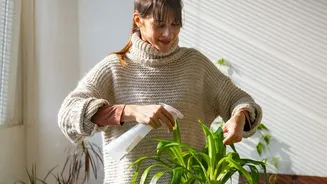
To maximise the benefits of your indoor plants, placement and quantity matter. While there's no magic number, a common recommendation based on the original NASA research is to have at least two large plants per 100 square feet of space. Grouping plants together can create a small pocket of improved humidity and air quality. Place them in rooms where you spend the most time, such as the bedroom and living room. For plants like the Snake Plant that produce oxygen at night, the bedroom is the ideal spot. Keep the leaves clean by wiping them with a damp cloth periodically; a layer of dust can hinder their ability to absorb pollutants. Also, ensure the soil surface is exposed to the air, as beneficial microbes in the soil play a crucial role in breaking down toxins.