




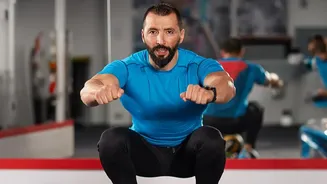
The Power of the Pack
Group fitness classes thrive on a simple principle: energy is contagious. When you're surrounded by people pushing through the same challenging workout, you're more likely to push yourself harder. This phenomenon, known as social facilitation, can help
you achieve more than you might alone. The structured nature of a class removes the mental load of planning a workout; you just have to show up. An instructor guides you, music sets the pace, and the group dynamic creates a sense of shared purpose. This can turn exercise from a solitary chore into an enjoyable social event.
The Freedom of Flying Solo
Exercising alone is the ultimate form of fitness freedom. You are in complete control of your schedule, workout type, intensity, and duration. This flexibility is ideal for those with unpredictable work hours or anyone who prefers to exercise at odd times. Solo sessions also allow for deep focus and a meditative state, providing valuable 'me time' that can help you de-stress and reconnect with yourself. For beginners who might feel self-conscious, working out alone at home can be less intimidating. It allows you to build confidence at your own pace without the pressure of keeping up with a group.
Motivation and Accountability
One of the biggest hurdles in fitness is simply showing up. Group classes excel at providing accountability. When you've booked a spot and know an instructor and classmates are expecting you, you're less likely to skip. This built-in social contract can be a powerful motivator on days when you'd rather stay home. Conversely, solo exercise requires a higher degree of self-discipline. While this can be a challenge, successfully building a routine on your own can foster immense self-reliance and mental toughness that benefits other areas of your life.
Expert Guidance vs. Self-Direction
In a group class, you benefit from the expertise of a certified instructor who demonstrates proper form, offers modifications, and ensures you're exercising safely. This is particularly valuable for beginners who are still learning the fundamentals of movement and want to reduce their risk of injury. However, individual attention can be limited in a large class. When you train alone, you are your own coach. This requires you to be knowledgeable about exercise programming and form, but it also allows for complete personalisation to target your specific goals, whether that's training for an event or rehabilitating an injury.
The Social and Mental Benefits
Beyond the physical, the social dimension of group fitness is a significant draw. These classes foster a sense of community and belonging, which can combat loneliness and make fitness a more enjoyable, long-term habit. Studies have shown that people who exercise in groups tend to experience greater reductions in stress and improvements in emotional well-being compared to those who work out alone. One study even linked group exercise to the release of oxytocin, the 'bonding hormone', which enhances feelings of connection and makes the activity more rewarding. While solo workouts lack this social element, they can offer a quiet space for self-reflection and mental clarity.
Cost, Convenience, and Variety
Group fitness classes typically come with a membership or per-class fee, which can be a significant financial commitment. They also run on fixed schedules, which may not align with everyone's lifestyle. Solo workouts, especially at home or outdoors, can be completely free, offering maximum convenience. However, group classes often provide a wide variety of workout styles—from HIIT and dance to yoga and strength training—which can prevent boredom and keep you engaged in your routine. Replicating this variety on your own can require more creativity and equipment.