



The Anatomy of a Perfect Label
A good habit is the foundation of an organised home, and nowhere is this truer than the freezer. Most of us know we should label frozen food, but scribbling "Chicken" on a bag with a fading marker is a recipe for future confusion. Is it raw chicken breasts,
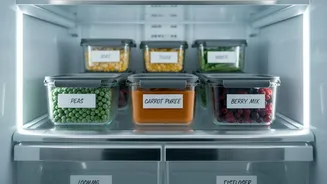
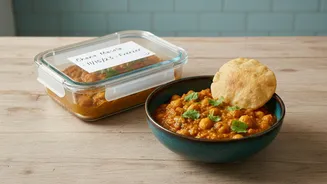
a ready-to-eat curry, or a stock from three years ago? To truly make your freezer work for you, every label needs three core pieces of information: the dish name, the date it was frozen, and the portion size. This simple trio is the key to preventing food waste and making mealtime decisions infinitely easier. Think of it as a brief instruction manual for your future self.
Be Specific with the Dish Name
Clarity is your best friend. Instead of a generic label like "Dal," be more descriptive: "Tadkewali Masoor Dal." This level of detail prevents surprises and helps you build a meal. Knowing exactly what you have on hand means you can plan around it, rather than defrosting something only to realise it’s not what you thought it was. If you've prepared a meal for someone with dietary needs, this is also the place to note it — for example, "Palak Paneer (No Onion/Garlic)" or "Gluten-Free Paratha Dough." This small effort up front saves significant guesswork later.
The All-Important Date
The date is crucial for both food quality and safety. While freezing pauses bacterial growth, it doesn't stop the slow decline of quality. Food doesn't spoil in the freezer in a way that will make you sick, but it can develop freezer burn, which ruins its texture and flavour. Most experts recommend labelling with the date the food was frozen. This allows you to follow the "First-In, First-Out" (FIFO) principle, ensuring you use up older items before they lose their peak quality. Aim to use most home-cooked frozen meals within three to six months for the best taste.
Master Portion Control
Labelling the portion size is a game-changer for convenience and waste reduction. It prevents you from thawing a massive container of food when you only need a single serving. Be precise: instead of just writing "serves a family," note "4 servings" or "1 of 4 portions." This is especially useful for items like soups, curries, and dough. If you freeze items in individual portions, you can easily grab exactly what you need for a quick lunch or dinner. This practice not only streamlines your meals but also helps manage calorie intake and ensures everyone gets enough.
Pro-Tips for Next-Level Labelling
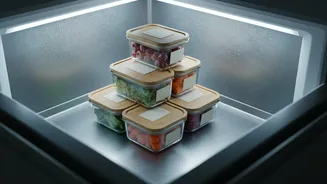
Once you have the basics down, a few extra details can elevate your freezer game. Consider adding reheating instructions directly to the label, such as "Thaw overnight, microwave for 3 minutes" or "Bake at 180°C for 20 mins." This is especially helpful if others in the household might be heating the meal. For batch cooking, you can number your containers and keep a simple inventory list taped to the freezer door or on your phone. You can also use different coloured markers or labels to create a colour-coded system: for example, green for vegetarian dishes, red for non-vegetarian, and blue for basics like stocks and sauces.
Choosing the Right Tools for the Job
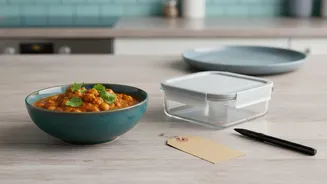
Your system is only as good as the tools you use. Regular pens smudge at low temperatures, and some tapes lose their stickiness in the cold. A simple roll of masking tape and a permanent marker are the classic, affordable choice. For a cleaner look on reusable containers, you can invest in dedicated freezer labels that are designed to withstand moisture and cold. Some modern labels even dissolve in the dishwasher, leaving no sticky residue behind. Whatever you choose, ensure it's easy to write on and, most importantly, will stay put in the frosty environment of your freezer.