







The New Prime Time for Dinner
In metropolitan India, the dinner bell is ringing later than ever. For many young professionals and students, dinner is no longer a meal consumed shortly after sunset. Instead, it has shifted deep into the night, often occurring between 10 PM and midnight,
and sometimes even later. This contrasts sharply with traditional family routines where dinner was often served by 8 or 9 PM. This phenomenon isn't just an anecdotal observation; it's a recognised trend being tracked by the food industry. Over the past year, late-night food delivery volumes have surged, reflecting a fundamental lifestyle change among young, urban consumers who are eating and sleeping later than previous generations. This shift points to a new definition of 'prime time', not for television, but for the day's final meal.
Urban Life and the 9-to-5 Myth
The primary engine of this change is the modern urban work culture. Long working hours, demanding jobs, and gruelling commutes have made early dinners a logistical impossibility for many. By the time a young professional navigates city traffic to get home, the clock often reads well past 9 PM. For them, cooking a fresh meal feels like a monumental task. This is compounded by the rise of flexible and late-night work schedules, especially in the tech and service industries. The result is a population that starts its evening leisure time much later, pushing dinner back to accommodate work, travel, and the simple need to decompress after a long day.
Technology: The Enabler of Late-Night Cravings
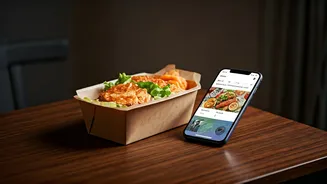
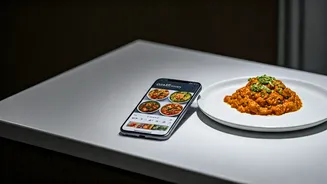
If work culture created the demand for late dinners, technology provided the supply. Food delivery platforms have revolutionised urban eating habits, making a hot meal available at almost any hour with just a few taps. These services have effectively removed the friction from late-night dining. The competition to capture the 'fourth meal'—a post-dinner eating occasion—is fierce, with apps sending notifications and offering deals for midnight snacks and meals. Quick-service restaurants and cloud kitchens are extending their operating hours, some delivering until 3 or 4 AM, to cater to this growing market. Burgers, pizzas, and desserts are among the most popular late-night orders, indicating a preference for convenience and comfort food. This 24/7 food infrastructure not only serves the trend but actively encourages and normalises it.
A Redefinition of Social Life
The shifting dinner clock is also rewriting social rules. The communal family dinner, once a cornerstone of Indian life, is becoming less frequent in many urban households. For young people living alone or with peers, dinner is often a solo activity, eaten while scrolling through a phone. However, this doesn't mean socialising has ended. Instead, it has moved to different times and places. Late-night meals with friends, whether at a food stall or ordered in during a streaming session, have become a new form of social bonding. Recent trends show a surge in late-night orders during major sporting events like the FIFA World Cup, turning home viewing into a major dining occasion. This reflects a move away from formal, structured family meals towards more flexible, peer-oriented social eating.
The Health Equation
While this lifestyle offers convenience and flexibility, it raises important questions about health and wellness. Health professionals consistently advise against eating large meals close to bedtime, linking the habit to digestive issues like acid reflux, poor sleep quality, and potential metabolic problems. Some experts note that the body's ability to manage sugar is better earlier in the day, and late-night eating can challenge this natural rhythm. The easy availability of ultra-processed foods on delivery apps further complicates the health picture. While some health-conscious individuals are pushing back and rediscovering the benefits of an early dinner, the broader trend among young, busy urbanites continues to be a story told late at night.