



Start on the Ground Floor
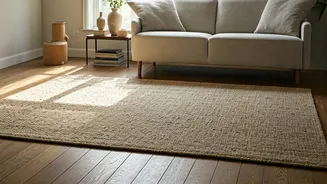
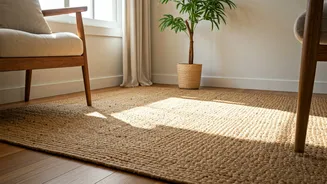
The easiest way to introduce any new pattern is from the ground up. A striped dhurrie or rug is a classic for a reason. It anchors the space, defines the zone, and injects instant personality. For a neglected corner, a small, vibrant dhurrie can create
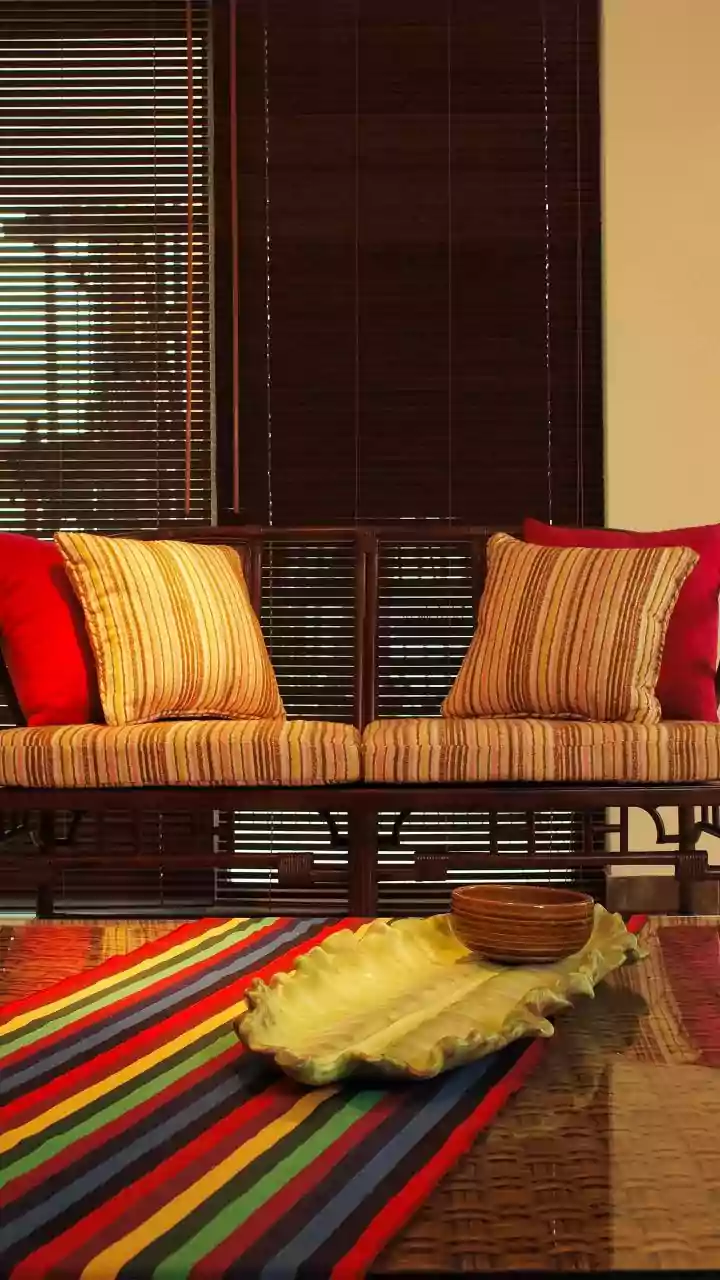
a designated 'moment'—a cosy reading nook, a spot for your favourite plant, or a mini art gallery. Think beyond the classic blue-and-white. In the Indian context, imagine rust and indigo, saffron and cream, or emerald and gold. These colour combinations feel both modern and deeply rooted. A flatweave dhurrie is particularly practical for our climate; it's easy to clean and doesn't feel heavy or overwhelming.
Paint a Powerful Illusion
Paint is your most powerful and affordable tool. Using stripes on a wall can completely alter the perception of a space. Have a corner in a room with a low ceiling? A few well-placed vertical stripes will draw the eye upward, creating an illusion of height. Worried it might be too much? You don't have to paint the entire wall. Consider painting a thick, bold band of stripes in a recessed nook or just on the two walls forming the corner. This 'colour blocking' with stripes is a sophisticated technique that feels intentional and high-design. For a softer look, use two shades of the same colour for a subtle, tonal effect that adds depth without shouting.
Let Textiles Do the Talking
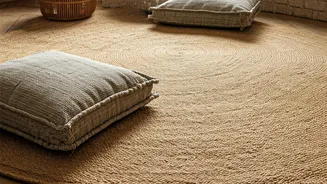
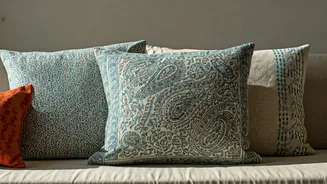
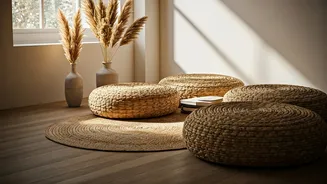
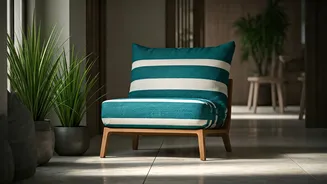
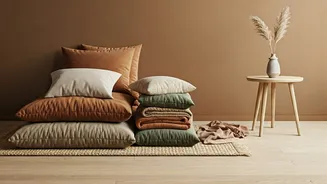
If painting walls feels like too much of a commitment, turn to textiles. This is where Indian homes already have a built-in advantage, with our rich history of woven fabrics. A simple floor cushion or a stack of them in a mix of striped patterns can turn a barren corner into an inviting lounge spot. Drape a striped throw over the back of an armchair or a small 'moodi' stool. The key is to play with scale. Combine a fabric with thin, delicate pinstripes with another that has bold, chunky stripes. This creates visual interest and stops the look from becoming too uniform. Look for handloom cottons and silks for a touch of authentic texture.
Think Vertically with Curtains
Window corners are often the most challenging. The right curtain can solve the problem instantly. A pair of floor-to-ceiling curtains with strong vertical stripes is a designer's secret weapon. It not only makes the window appear larger but also makes the entire room feel taller and more stately. This works wonders in modern apartments that can sometimes feel compact. If you prefer blinds, a striped Roman blind offers a crisp, tailored look that provides the same linear energy in a more contained way. Choose a fabric that links to other colours in the room to create a cohesive, pulled-together feel.
Curate with Striped Objects
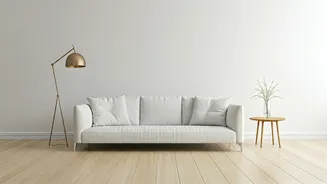
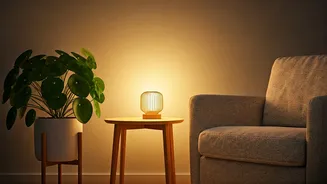
Stripe energy doesn't have to be limited to large surfaces. Sometimes, the most impactful statements are the small ones. Curate a collection of objects in your corner that feature stripes. This could be a set of ceramic vases in varying heights, a beautifully designed lamp with a striped shade, or even framed art that uses lines and stripes as its primary motif. A stack of books with visually interesting spines can even create a striped effect. This approach is perfect for renters or those hesitant to make big changes. It allows you to experiment with the theme, layering in more striped elements over time as you get more confident.