


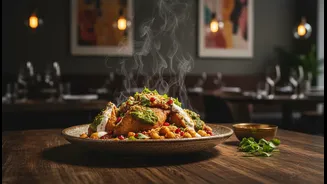


A Shift From Pan-Indian to Hyper-Regional
The global understanding of Indian cuisine is undergoing a delicious and long-overdue transformation. For years, the international perception was largely defined by a handful of North Indian dishes like butter chicken and naan. While beloved, this narrow
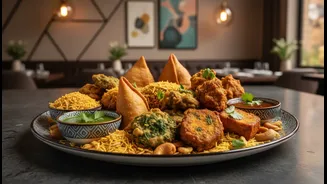
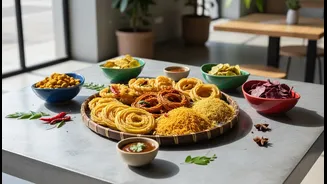
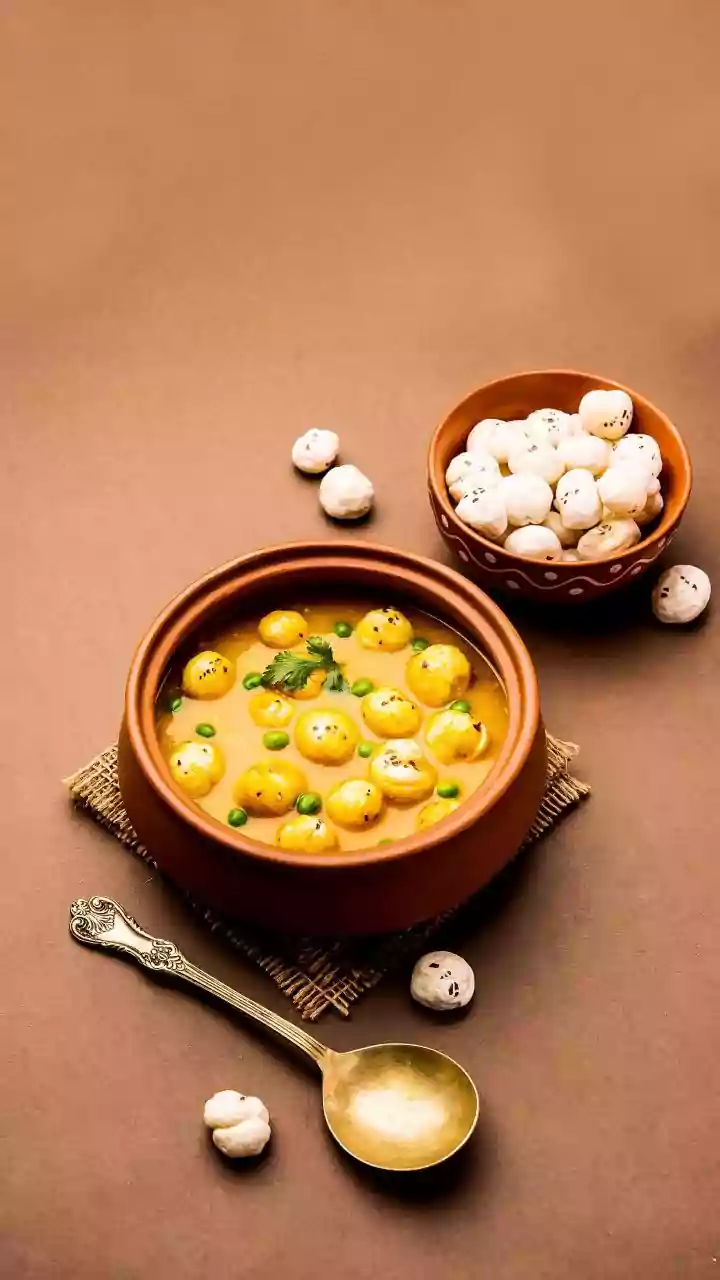
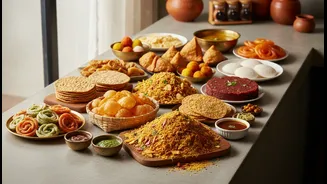
view is being challenged by Indian snack and sweet brands expanding their operations overseas. These companies are moving beyond generic offerings and introducing a diverse palate of regional specialties. Consumers are graduating from the gateway dishes and are now exploring the depth of Indian food, with chaat and dosa formats gaining significant familiarity in markets like the US. This shift is not just about food; it's about exporting culture, one specific, authentic flavour at a time. The trend is moving toward showcasing the distinct culinary identities of states like Gujarat, Maharashtra, and the cuisines of South India.
The Trailblazing Brands
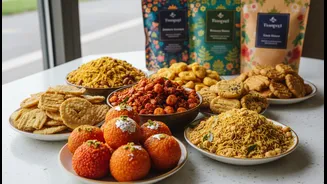
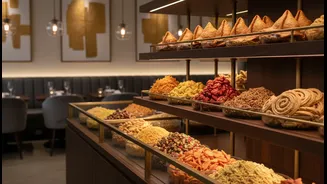
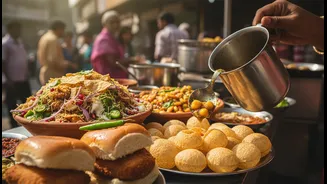
Legacy giants like Haldiram's and Bikanervala are at the forefront of this global push. Haldiram's, a household name in India, has been aggressively expanding its restaurant and retail footprint. Recent openings include a second outlet in Dubai and a flagship 120-seater, full-service restaurant in London's iconic Leicester Square. These outposts serve as hybrid restaurant-retail spaces, offering classic street food like chole bhature and raj kachori alongside packaged snacks. Similarly, Bikanervala has established a presence in the USA, Canada, UK, Singapore, and New Zealand, offering its extensive range of traditional sweets and savoury namkeen to a global audience. These brands are building on decades of domestic success to become international ambassadors for regional Indian food.
Driven by Diaspora, Welcomed by All
The primary driver for this expansion is the large and growing Indian diaspora. For Indians living abroad, these brands offer a powerful taste of home and a connection to their cultural roots. The search for authentic food is a constant for many, and brands are tapping into this deep-seated desire. However, the appeal is broadening significantly. A new generation of non-Indian foodies, driven by a desire for authentic and diverse culinary experiences, is embracing these regional flavours. In the US, motivations like 'comfort' and 'authenticity' are seeing huge growth in the Indian food category, indicating that consumers are moving beyond novelty and seeking it out as a trusted cuisine. As one brand executive noted, while many are familiar with curries, there are still many untapped aspects of Indian cuisine waiting to be discovered by a wider audience.
The Modern Strategy: Health and Branding
This new wave of expansion isn't just about copying and pasting a domestic formula. Newer, direct-to-consumer (D2C) brands are entering the international market with a modern twist. Brands like Sweet Karam Koffee, which focuses on South Indian snacks, and Beyond Snack, known for its Kerala banana chips, are differentiating themselves with contemporary branding, healthier ingredients, and transparent sourcing. They often avoid palm oil and preservatives, appealing to health-conscious consumers both within the diaspora and beyond. This focus on a strong brand narrative, combined with savvy use of social media, allows these new-age companies to build a loyal following and compete with established legacy players by offering a different kind of value proposition.
The Challenge of Global Authenticity
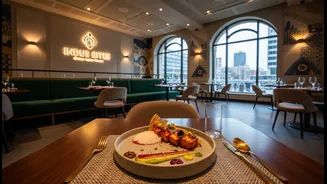
Taking a regional menu global is not without its hurdles. Maintaining taste and quality across international supply chains is a significant challenge. Brands must decide whether to import key ingredients to preserve authentic flavour or adapt to locally available substitutes. Furthermore, while the core of the strategy is authenticity, some minor tweaks for local palates might be necessary without diluting the brand's soul. The most successful brands are adopting a hybrid format, combining dine-in experiences that act as cultural showrooms with retail counters for their packaged goods. This allows them to deliver a consistent consumer experience while navigating the complexities of different markets. Striking this balance between tradition and adaptation is critical for long-term success on the global stage.