
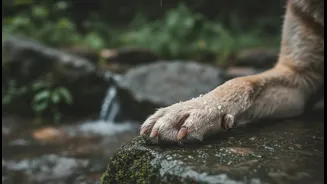


The Hidden Dangers in Puddles and Wet Grass
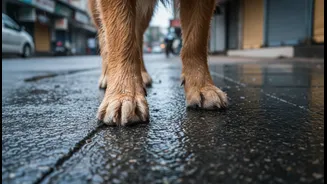
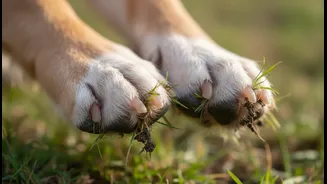
After a rainy walk, your dog's paws are coated in more than just mud and water. Puddles and damp soil are breeding grounds for bacteria and other microorganisms. These surfaces can harbour harmful bacteria like Leptospira, which spreads through contaminated
water, as well as parasites whose eggs can stick to paws. Beyond biological threats, wet streets and lawns can be covered in chemical residues from pesticides, herbicides, and other pollutants that get washed to the surface by the rain. When your dog licks their paws, they can ingest these toxic substances, potentially leading to digestive issues or even poisoning.
From Irritation to Infection
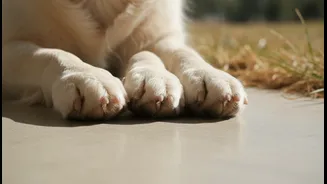
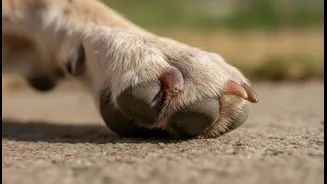
Constant moisture is a major enemy of paw health. The warm, damp spaces between a dog's toes create a perfect environment for fungal and yeast infections to thrive. Organisms like Malassezia yeast, which are normally present in small numbers, can multiply rapidly in these conditions, leading to a condition called pododermatitis. This inflammation of the paws can cause intense itchiness, redness, a musty odour, and pain. You might notice your dog persistently licking or chewing their feet, which is often an early sign of irritation, not just a grooming habit. This excessive licking introduces more moisture, worsening the cycle and potentially leading to secondary bacterial infections.
Protecting Your Home and Family
Cleaning your dog's paws is not just about pet health; it's also about maintaining a clean and healthy home. Dirty paws track mud, bacteria, and allergens like pollen and mould spores all over your floors, furniture, and carpets. This can be a particular concern for households with small children, who often play on the floor, or family members with allergies. Establishing a routine cleaning station at the door helps contain the mess and ensures that whatever your dog picked up outside doesn’t get spread throughout your living space. It's a simple step that significantly reduces the transfer of outdoor germs to your indoor environment.
The Essential Paw Cleaning Toolkit
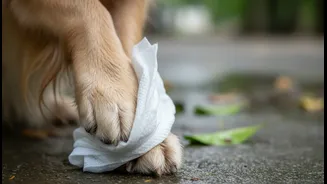
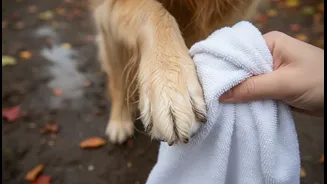
You don't need a lot of complicated equipment to effectively clean your dog's paws. Having a few key items ready by the door makes the process quick and easy. A highly absorbent microfibre towel is a must for drying. For cleaning, you can use pet-safe grooming wipes, a soft cloth with lukewarm water, or a dedicated paw washer. Paw washers are portable cups lined with soft silicone bristles that gently scrub away dirt when you add a little water. For deeper cleans, a mild, dog-specific shampoo can be used, but avoid human products, which can be irritating. Finally, a good quality paw balm with natural ingredients like beeswax or shea butter can help soothe and protect pads after cleaning.
A Step-by-Step Cleaning Guide
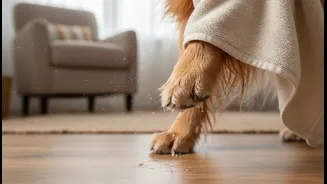
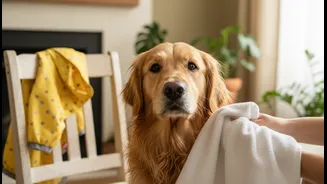
The goal is to be thorough but quick. First, use a towel to wipe off the worst of the mud and water. Next, use your chosen cleaning method—whether it's a wipe, damp cloth, or paw washer—to clean each paw individually. Gently separate the toes to clean the webbing and get around the nail beds where debris loves to hide. If you're using water, ensure it's lukewarm, not hot. The most critical step is to dry the paws completely, paying special attention to the areas between the pads. Trapped moisture is the primary driver of fungal infections, so thorough drying is non-negotiable. Once clean and dry, take a quick look to check for any cuts, thorns, or signs of irritation.
Making It a Positive Routine
Some dogs are sensitive about their paws being handled. The key to success is to make paw cleaning a calm and positive experience. Start when they are puppies, if possible, but even older dogs can learn to accept the routine. Use plenty of praise and high-value treats to build a positive association. Keep the sessions short and be gentle. If your dog is anxious, start slowly by just touching their paws and rewarding them, gradually working up to a full cleaning. Turning it into a predictable and rewarding ritual after every walk will make it a stress-free habit for both of you, rather than a daily battle.