






The Scale of Our Plastic Problem
In cities like Mumbai, Delhi, and Bengaluru, the rapid growth of online food delivery has led to an environmental crisis. Every day, thousands of orders generate tons of single-use plastic containers, cutlery, and bags that are difficult to recycle. It
is estimated that food delivery apps contribute to as much as 22,000 metric tonnes of plastic waste every month in India. This plastic chokes landfills and pollutes our waterways, persisting in the environment for hundreds of years. While consumers and platforms are becoming more aware, the challenge requires a fundamental shift in the materials we use.
Nature's Answer: The Promise of Seaweed
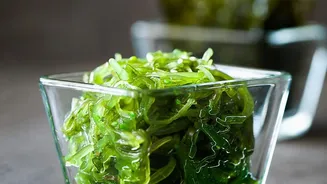
Enter algae, or more specifically, seaweed. This marine resource is emerging as a powerful and sustainable alternative to plastic. Unlike land-based crops, seaweed requires no freshwater, fertilisers, or pesticides to grow. It thrives along coastlines, absorbing carbon dioxide as it grows, making its cultivation a benefit to the environment. The natural polymers in seaweed can be extracted and processed to create materials that are durable, versatile, and, most importantly, completely biodegradable. Packaging made from seaweed can break down naturally in a matter of weeks, leaving no toxic residues behind.
Meet the Indian Innovators
Several Indian startups are at the forefront of this green revolution. Zerocircle, founded by Neha Jain, is a notable player creating bio-based, biodegradable packaging from seaweed. The company works with coastal communities in states like Gujarat and Tamil Nadu to sustainably source its raw material. Its products are designed to be home-compostable and have even been described as safe enough for marine life to eat. Another key startup is the Bengaluru-based Sea6 Energy. While its ambitions also include biofuels, the company has developed a seaweed-based compostable coating for food packaging that is heat-resistant and safe. These companies are demonstrating that sustainable innovation can be homegrown and scalable.
More Than Just Eco-Friendly
The benefits of algae-based containers go beyond just biodegradability. The production process can be more energy-efficient than that of conventional plastics. For India, a country with a vast 7,500-kilometre coastline, seaweed cultivation offers a significant economic opportunity for coastal communities, providing an alternative livelihood to fishing. The Indian government has also recognized this potential, pledging significant investment to develop the nation's seaweed economy, which can support startups in this space. This creates a powerful circular economy model where environmental responsibility and economic empowerment go hand-in-hand.
Challenges on the Path to Mainstream
Despite the promise, the road to replacing plastic is not without its hurdles. The primary challenges are cost and scale. Currently, bioplastics, including those made from seaweed, are more expensive to produce than their petroleum-based counterparts. The technology for processing seaweed is still in its early stages, and scaling up production to meet the massive demand from the food delivery industry requires significant investment and innovation. Furthermore, ensuring consistent quality, durability, and heat resistance for a wide variety of Indian dishes is a complex technical challenge that these startups are actively working to solve.