


The Core Principle: Waterproofing and Layering
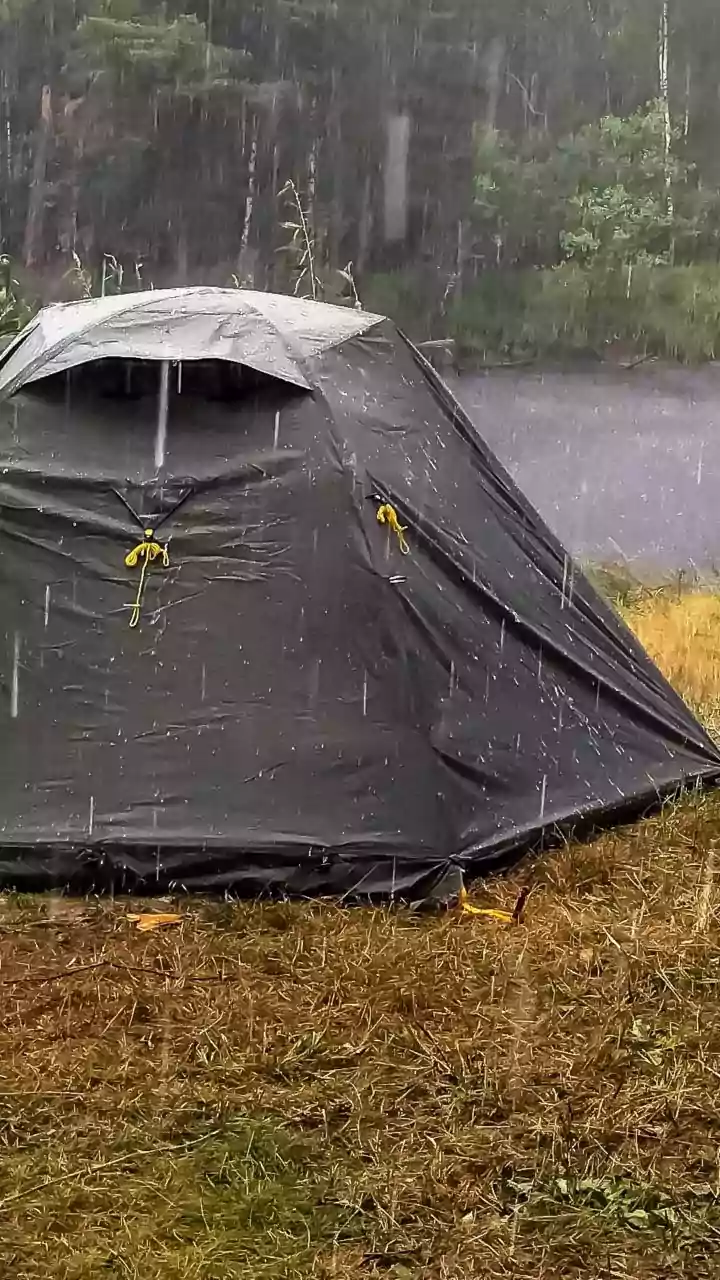
Success in a monsoon trek isn't about avoiding water—it's about managing it. You will get wet. The goal is to keep your core warm and your essential items (like spare clothes and electronics) completely dry. This means a two-pronged approach: a reliable
outer waterproof layer for you and your bag, and internal waterproofing using dry bags or sealed polybags for everything inside. Layering synthetic, quick-drying clothes is the other half of the battle, allowing you to adapt to the humidity and temperature changes without staying dangerously damp.
Essential Clothing: Ditch the Cotton
The single biggest mistake trekkers make is wearing cotton, including denim. Cotton acts like a sponge, absorbing moisture and taking a very long time to dry. When wet, it clings to your body and can drastically lower your body temperature, increasing discomfort and risk. Instead, opt for synthetic materials like polyester or nylon. Pack at least two quick-dry t-shirts and a pair of synthetic, stretchable trekking pants. These materials wick moisture away from your skin and dry quickly in the humid air. Keep one full set of dry clothes sealed in a waterproof bag strictly for use at your campsite or at the end of the day.
Rain Gear: Your Outermost Shield
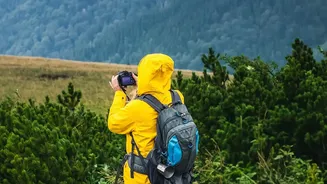
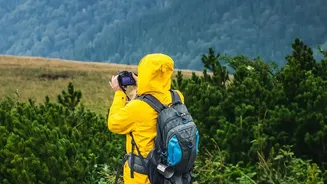
A high-quality waterproof jacket is non-negotiable. Look for one that is also breathable to allow sweat to escape. An even better option for the intense downpours in the Ghats is a poncho that can cover both you and your backpack. For your backpack itself, a dedicated rain cover is essential. However, don't rely on the cover alone. Water can still seep through the back panel. The best strategy is to use the rain cover on the outside and line the inside of your backpack with dry bags or heavy-duty plastic bags.
Footwear: Where Grip is King
The volcanic basalt rock of the Western Ghats becomes incredibly slippery when wet and mossy. Your everyday sports shoes will not suffice and can be dangerous. Invest in proper trekking shoes with deep lugs and a high-traction rubber sole for a strong grip on wet terrain. High-ankle support is recommended to prevent sprains on uneven trails. While waterproof shoes sound ideal, they can sometimes trap water that gets in from the top. A better approach might be shoes that drain well and dry relatively quickly. Always pack at least two pairs of synthetic or wool-blend socks to avoid blisters from wet feet.
Health, Hygiene, and Leech Protection
A well-stocked first-aid kit is crucial. It should contain essentials for cuts, scrapes, and blisters, such as antiseptic wipes, assorted bandages, medical tape, and blister pads. Also include general pain relievers, antihistamines for allergies, and any personal medications. The monsoon brings out leeches in the forest sections. Carry a small container of salt or a hand sanitiser to easily remove them if they latch on. Wearing leech-proof socks or tucking your pants into your regular socks can offer good protection. Insect repellent and a quick-dry towel are also must-haves.
Electronics and Miscellaneous Gear
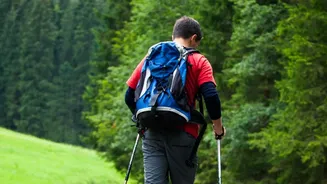
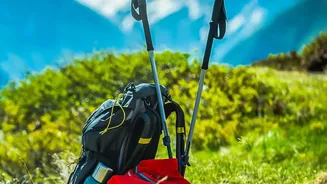
Protecting your electronics is vital. Use zip-lock bags or a dedicated waterproof pouch for your phone, power bank, and camera. A trekking pole is highly recommended; it provides an extra point of contact for stability on slippery descents and helps you gauge the depth of muddy patches. A headlamp is essential, even on a day trek, in case of unexpected delays. Finally, stay hydrated. The cool weather can be deceptive, but you still lose fluids. Carry a reusable water bottle and consider bringing electrolyte salts or tablets to replenish lost minerals.