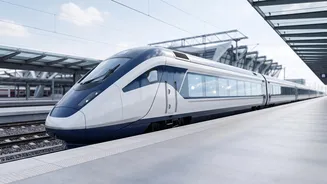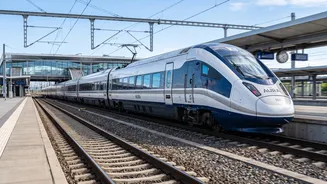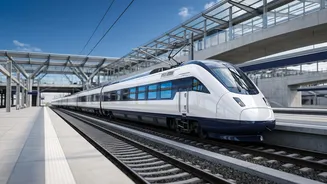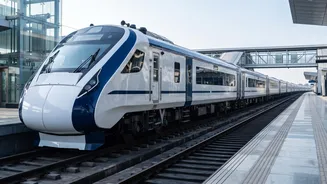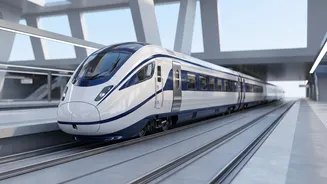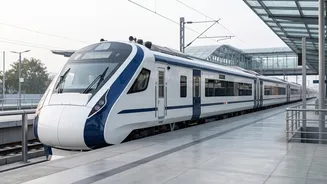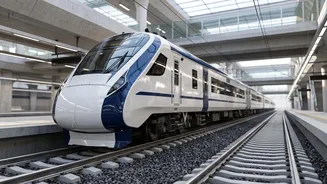





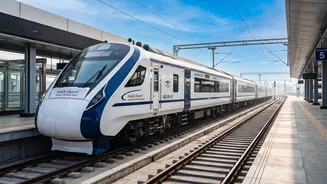
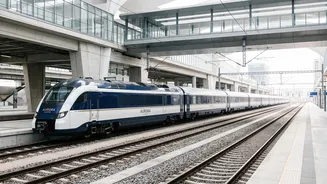
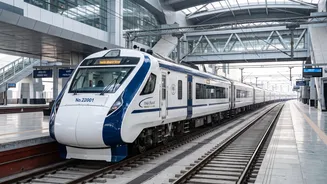
Indian Railways is set to redefine overnight travel with the introduction of the Vande Bharat sleeper. This new class of train promises to combine high speeds with enhanced comfort, aiming to provide a compelling alternative to both road and air travel.
A New Era for Overnight Journeys
The Vande Bharat sleeper is the next evolution in India's ambitious railway modernisation plan. Following the success of the Vande Bharat chair car trains for daytime travel, Indian Railways is now targeting the lucrative long-distance overnight market. These trains are designed for journeys between 800 and 1,200 kilometres, placing them in direct competition with the established Rajdhani Express services. The first service was inaugurated on the Howrah-Kamakhya route in January 2026, with more routes like Mumbai-Bengaluru and Delhi-Varanasi slated to begin operations soon. The manufacturing is a major 'Make in India' initiative, with consortiums like BEML and a partnership between Titagarh Rail Systems and BHEL leading the production.
Inside the Sleeper: Comfort and Capacity
Each 16-coach Vande Bharat sleeper train is designed to accommodate 823 passengers. The configuration includes one First AC coach with 24 berths, four AC 2-Tier coaches with 188 berths, and eleven AC 3-Tier coaches with 611 berths. The focus is squarely on passenger comfort. Berths are designed to be wider and better cushioned than those in existing trains. Each berth is equipped with integrated reading lights and USB charging points. The coaches feature automatic exterior doors, bio-vacuum toilets with odour control, and improved soundproofing to reduce track noise for a more peaceful journey. First AC passengers will even have access to a shower with hot water.
Speed Meets Stability
One of the key advantages of the Vande Bharat platform is its self-propelled design, which eliminates the need for a separate locomotive. This allows for faster acceleration and deceleration, significantly reducing journey times. The trains have a design speed of up to 180 km/h and an operational speed of 160 km/h on suitable tracks. For example, the proposed Delhi-Varanasi service aims to complete the journey in about 9.5 hours, compared to 12 hours on a Rajdhani. Enhanced suspension and bogie design promise a smoother, less jerky ride, a common complaint on long-distance trains. Safety is also paramount, with the indigenous 'Kavach' anti-collision system installed, along with advanced fire safety measures and a durable stainless-steel body construction.
Vande Bharat Sleeper vs. Rajdhani Express
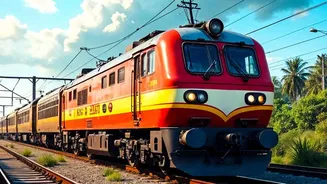
For decades, the Rajdhani Express has been the gold standard for premium overnight travel in India. The Vande Bharat sleeper aims to usurp that title. While both offer three classes of AC accommodation, the Vande Bharat boasts superior modern amenities, from betterer cushioned berths to advanced bio toilets. The key differentiator is speed and efficiency; the distributed power system of the Vande Bharat allows it to cut down travel time by several hours on long routes. Another significant difference is the reservation system. To prevent overcrowding, Vande Bharat sleepers will reportedly issue only confirmed berths, with no RAC or waiting lists. In terms of food, Rajdhani has a more established and extensive regional menu system, while Vande Bharat's catering is more route specific. Fares for the new sleeper are expected to be comparable to those of the Rajdhani Express.