




More Than Just 'Roughage'
For decades, fibre was typecast in a single role: nature's solution for constipation. While it excels at promoting regularity, this limited view misses the bigger picture. The wellness world's renewed fascination comes from a deeper understanding of what
fibre really is—a prebiotic, a master regulator, and a crucial player in whole-body health. The conversation has shifted from simple bowel health to the thriving ecosystem within our gut, and fibre is the key to unlocking its potential. Social media trends like "fibermaxxing" are encouraging a new generation to intentionally increase their intake, not just for digestion, but for overall vitality.
The Gut Microbiome Revolution
The real star of the show is the gut microbiome—the trillions of bacteria and other microbes living in your digestive tract. Think of your gut as a complex garden. For it to flourish, you need to feed the good bacteria, and their favourite food is fibre. Humans can't digest fibre, so it travels to the colon, where these beneficial microbes ferment it. This process produces powerful compounds called short-chain fatty acids (SCFAs), which are metabolic superheroes. SCFAs nourish the cells of your colon, strengthen your gut barrier to keep harmful substances out, reduce inflammation, and even communicate with your brain. A high-fibre diet promotes a diverse and resilient microbiome, which is now seen as a cornerstone of all-term health.
From Weight Management to Mental Health
The benefits of a fibre-rich diet extend far beyond the gut. Because it slows digestion and adds bulk, fibre helps you feel fuller for longer, which is a powerful tool for weight management. It also slows the absorption of sugar into the bloodstream, preventing energy spikes and crashes and reducing the risk of type 2 diabetes. Research also shows a strong link between high fibre intake and lower LDL ('bad') cholesterol levels, supporting cardiovascular health. Perhaps most surprisingly, new evidence points to a connection between fibre and mental well-being. By reducing inflammation and influencing the production of neurotransmitters like serotonin (the 'happy hormone'), a healthy, fibre-fed gut can positively impact mood and lower the risk of anxiety and depression.
The Indian Diet Connection
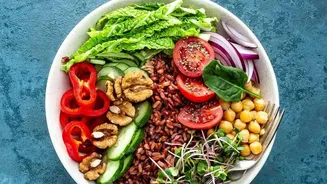
The good news is that traditional Indian diets are naturally rich in fibre. Staples like lentils (dal), chickpeas (chana), kidney beans (rajma), and whole grains like millets (jowar, bajra, ragi) are fibre powerhouses. Vegetables such as okra, spinach, and sweet potatoes, along with fruits like guava and bananas, further boost daily intake. However, the shift towards more processed and refined foods in urban diets means many are not getting the recommended 25-40 grams per day. Reconnecting with these traditional food patterns is one of the easiest ways to embrace this wellness trend. A simple meal of dal, a vegetable sabzi, and a millet-based roti is a perfect example of a culturally familiar, high-fibre meal.
Simple Ways to Boost Your Fibre Intake
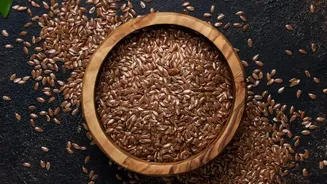
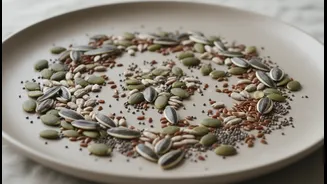
Increasing your fibre doesn't require a complete dietary overhaul. Start with small, sustainable changes. Swap white rice for brown rice or millets. Add a serving of legumes or beans to your lunch. Snack on a piece of fruit, a handful of nuts, or roasted chana instead of processed snacks. Sprinkle flax seeds or chia seeds on your yoghurt or oatmeal. When you increase your fibre, do it gradually and make sure to drink plenty of water to help your digestive system adapt and avoid bloating. The goal isn't to follow a restrictive diet but to build your meals around a variety of colourful, plant-based whole foods.