
From Quick Hit to Mindful Ritual
For years, Indian café culture revolved around espresso-based drinks. The latte, the cappuccino, and the flat white became the standard orders, fuelled by the rise of global chains and a desire for fast, convenient caffeine. [3] But now, a significant
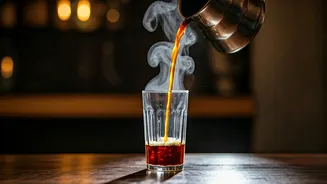
shift is underway. [17] A growing number of coffee drinkers, particularly Millennials and Gen Z, are looking for more than just a functional beverage; they want an experience. [9, 17] This has paved the way for the return of filter coffee, a method that champions patience, precision, and the unique characteristics of the coffee bean itself. [17] Instead of a quick shot pulled under high pressure, the filter method involves a slower, gentler process of pouring hot water over coffee grounds, allowing for a more nuanced extraction of flavours and aromas. [7] This move reflects a broader cultural shift towards mindful consumption and an appreciation for craftsmanship. [17]
The 'Third Wave' and the Pour-Over
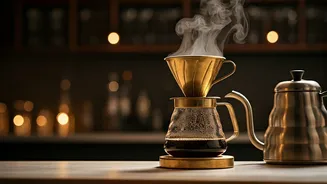
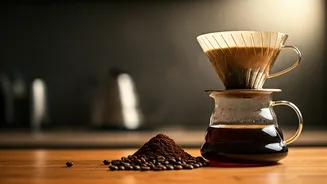
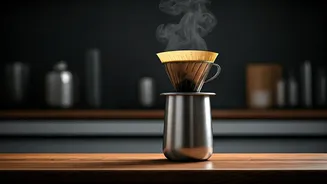
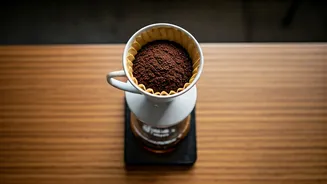
This revival is largely driven by the 'third wave' of coffee, a movement that treats coffee as an artisanal product, much like wine or craft beer. [9] In this world, factors like the bean's origin, processing method, and roast profile are paramount. Manual brewing methods like the V60, Chemex, and AeroPress are the tools of this trade. [8, 19] Each method, with its unique design and filter type, can highlight different qualities in a coffee. [23] The Hario V60, with its conical shape and spiral ribs, is known for producing a bright, clean cup that showcases a bean's acidity and fruity notes. [23, 24] The elegant Chemex, with its thicker paper filter, yields a remarkably clean, tea-like brew by removing more oils and sediment. [19, 23] This focus on manual brewing allows cafés to offer a rotating menu of single-origin beans, educating customers on the vast spectrum of coffee flavours, from the floral notes of an Ethiopian Yirgacheffe to the chocolatey richness of an Indian Attikan Estate. [13]
Reclaiming a South Indian Classic
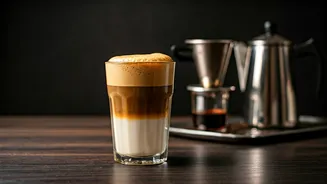
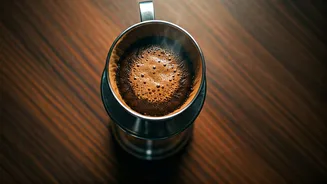
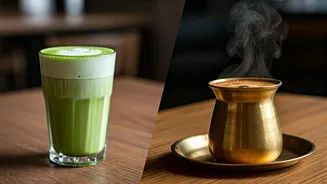
The trend isn't just about adopting global methods; it's also about re-evaluating our own traditions. South Indian filter coffee, or 'kaapi,' has been a household staple for generations, traditionally made in a unique metal filter that produces a strong decoction, which is then mixed with hot, frothy milk. [3, 16] For a long time, it was seen as a domestic ritual, separate from the world of trendy cafés. [15] Now, however, specialty coffee brands and new-age cafés are giving filter kaapi a premium makeover. [3, 15] By applying the third-wave vocabulary of origin, roast, and blends—and ditching the notion that chicory is merely an adulterant—they are showcasing the complexity and quality of traditional Indian filter coffee. [3, 21] Chains like Third Wave Coffee and even Starbucks are now featuring filter coffee on their menus, introducing it to a younger, curious audience who may not have grown up with it. [8, 15]
Why It's More Than Just a Drink
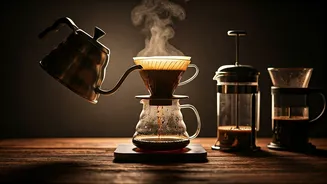
The appeal of filter coffee goes beyond taste. For café owners, it offers a way to stand out in a crowded market. The equipment is less expensive than a high-end espresso machine, and the ritual of a pour-over provides a bit of theatre for the customer. [4, 6] For the consumer, it’s an invitation to slow down. The five-to-ten-minute process of brewing a pour-over is a deliberate act, a small pocket of calm in a busy day. [24] It fosters a deeper connection with the beverage, encouraging drinkers to ask questions about where their coffee comes from and how it was brewed. [9, 13] This curiosity is transforming Indian consumers from passive drinkers into active participants in their coffee journey, keen to explore everything from brewing equipment to experimental bean processing. [13, 17]