
The New Home-Cooking Manifesto
The COVID-19 pandemic acted as a major catalyst, forcing millions to trade restaurant meals for home-cooked food. This extended period at home didn't just revive cooking skills; it sparked a deeper awareness of health, immunity, and the direct link between
what we eat and how we feel. According to a 2025 PwC survey, an overwhelming 84% of Indian consumers now actively seek safer and healthier food choices. This isn't just a fleeting trend but a structural shift. Consumers are looking beyond convenience and taste to prioritise nutrition, questioning the source and quality of their ingredients in a way they never have before. This has translated into a decreased consumption of ready-to-eat packaged foods and a greater reliance on fresh, thoughtfully prepared meals.
The Great Millet Makeover
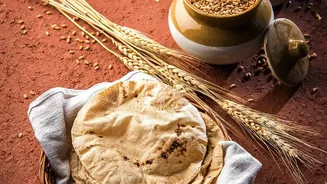
At the heart of this nutritional renaissance is the revival of ancient grains, especially millets. Once staples of the Indian diet before the Green Revolution prioritised wheat and rice, grains like ragi (finger millet), jowar (sorghum), and bajra (pearl millet) are making a triumphant comeback. Championed for their high fibre, protein, and nutrient density, and for being naturally gluten-free, these grains are being creatively integrated into modern diets. They are no longer just for traditional rotis; today’s kitchens are turning them into pancakes, dosas, breakfast cereals, and even baked goods. This resurgence, bolstered by government initiatives like the "International Year of Millets" in 2023, is repositioning what was once considered "poor man's grain" as a contemporary superfood.
Rethinking Fat, Sugar, and Salt
The new health-conscious mindset extends to the very building blocks of Indian cooking. There's a growing awareness around the 'less is more' philosophy. Urban kitchens are increasingly adopting lighter cooking techniques, moving away from deep-frying towards baking, steaming, and air-frying to reduce oil consumption. The type of fat is also under scrutiny, with a renewed appreciation for traditional options like ghee and a move towards cold-pressed oils. Refined sugar is steadily being replaced by natural alternatives like jaggery, dates, and honey. This mindful approach is not about deprivation but about making smarter swaps that deliver flavour without compromising health, a core principle of traditional Indian food wisdom.
A Push for Protein and Plant Power
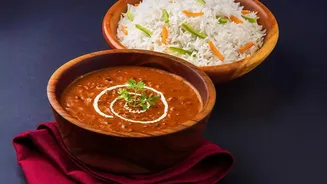
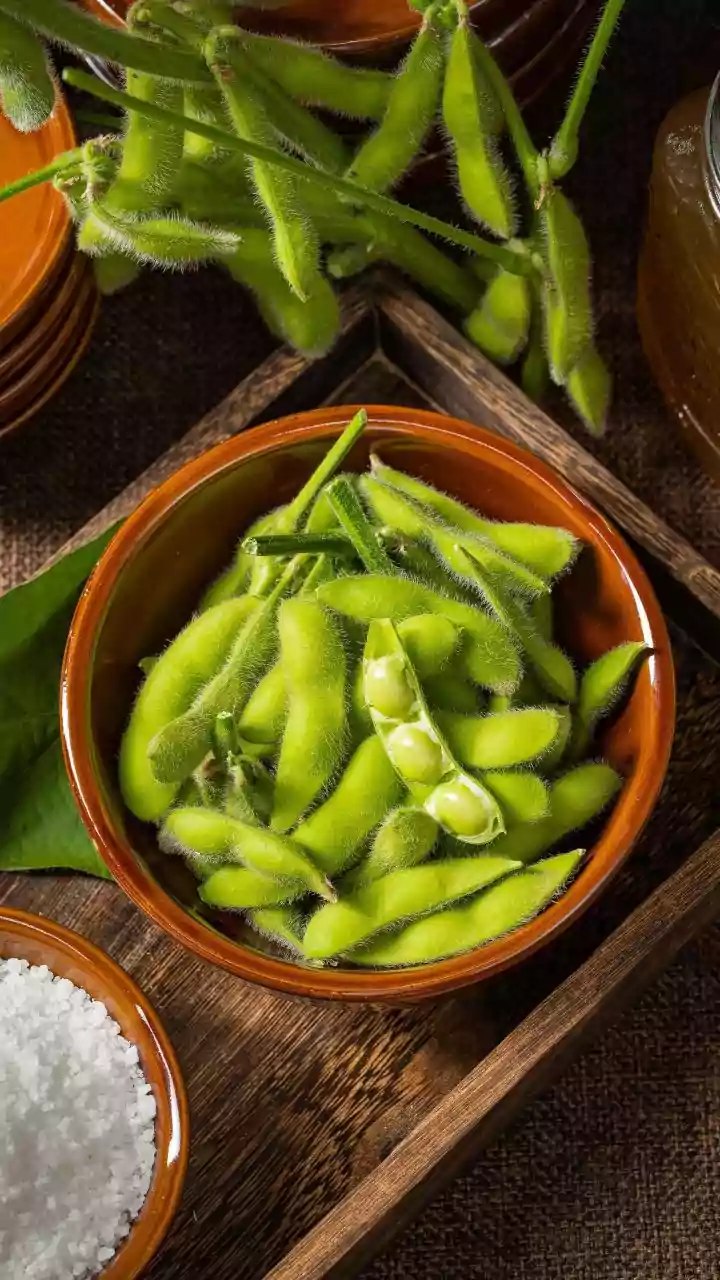
With a traditionally carbohydrate-heavy diet, there is a growing consciousness about protein deficiency in India. This has led to a deliberate effort to incorporate more protein-rich ingredients into daily meals. Consumers are actively looking for ways to boost their intake through lentils, legumes, paneer, eggs, and seeds. This is especially pronounced in the rise of plant-based diets, with consumers exploring vegetarian and vegan options for both health and ethical reasons. The demand for high-protein foods is a key driver in the healthy food market, signalling a move towards more balanced macronutrient profiles in everyday eating.
Tradition Meets Technology
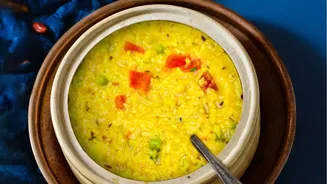
This culinary transformation is supported by a blend of ancient wisdom and modern tools. While the ingredients might be traditional, the methods are often contemporary. Digital platforms and social media wellness creators have been influential in making indigenous ingredients aspirational again, sharing recipes for everything from millet khichdi to fermented kanji. At the same time, modern appliances like air fryers and high-quality triply cookware have made healthier cooking more accessible and efficient. Consumers are also using healthcare apps and wearables to track their nutrition, helping them make more informed choices about their meals. This fusion of old and new is allowing households to embrace their culinary heritage through the lens of modern nutritional science.