



The Green Wave in Cafe Culture
In the bustling cafes of Mumbai, Delhi, and Bengaluru, a quiet revolution is brewing. The once-unquestioned reign of iced coffee is being challenged by vibrant, earthy alternatives: matcha and moringa lattes. These aren't just new items on a menu; they
represent a larger cultural shift. While coffee has evolved from traditional filter kaapi to a 'third-wave' artisanal experience, this new green wave caters to a different, but overlapping, desire. Matcha, a Japanese powdered green tea, and moringa, derived from the leaves of a tree native to India, are captivating a generation of consumers who seek more than just a quick caffeine fix. Their unique, earthy flavours and photogenic hues are making them the new darlings of the beverage world.
A Gentler, Healthier Buzz
One of the biggest drivers of this trend is a growing focus on wellness. Many coffee drinkers are familiar with the inevitable jitters and afternoon crash that can accompany their favourite brew. Matcha offers a compelling alternative. It contains an amino acid called L-theanine, which works in synergy with its caffeine content to produce a state of calm, sustained alertness without the sharp spike and fall. Moringa, often called the 'miracle tree', is typically caffeine-free and prized for being a nutritional powerhouse. Often referred to as nature's multivitamin, it's packed with vitamins, minerals, and antioxidants that offer steady, non-stimulant energy, making it an ideal choice for those sensitive to caffeine.
The Allure of the 'Wellness Aesthetic'
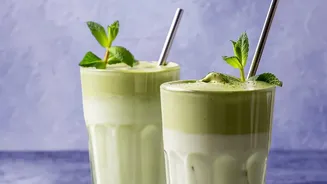
In the age of social media, we drink with our eyes first. The striking green colour of a matcha or moringa latte is undeniably 'Instagrammable'. But it's more than just a pretty picture. Posting a photo of a green latte is a visual shorthand for a lifestyle choice—it signals a commitment to health, an appreciation for artisanal quality, and a finger on the pulse of current trends. This aligns with a broader shift among younger consumers in India who are increasingly seeking products and experiences that reflect their values. They are drawn to authenticity and storytelling, whether it's the ceremonial heritage of Japanese matcha or the Ayurvedic roots of Indian moringa.
An Artisanal, Mindful Ritual
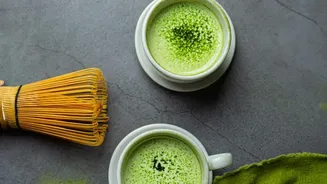
The preparation of these drinks is often a ritual in itself. A barista carefully whisking matcha powder with a traditional bamboo whisk ('chasen') is a world away from pulling a quick shot of espresso. This focus on craftsmanship elevates the drink from a simple commodity to a curated experience. It taps into the 'third place' phenomenon, where cafes are no longer just for transactions but for unwinding, working, and connecting. Consumers are willing to pay a premium not just for a high-quality ingredient, but for the story, the ambience, and the feeling of participating in a mindful, modern wellness ritual. It’s a departure from the grab-and-go culture often associated with iced coffee.
Is Iced Coffee Over?
Not at all. Iced coffee's popularity is not in jeopardy. Instead, what we're seeing is an expansion of choice. The Indian cafe menu is becoming more diverse and sophisticated to cater to a more adventurous and health-conscious consumer. Younger generations, in particular, are showing a greater willingness to explore new flavours and functional beverages. Matcha and moringa lattes aren't replacing coffee; they are coexisting with it, offering a different kind of experience for a different mood. One day might call for the sharp, bold kick of an espresso, while the next might be better suited to the gentle, focused energy of a matcha latte. The winner, ultimately, is the consumer, who now has more ways than ever to find their perfect cup.