





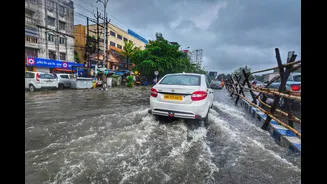
The Big Picture: A Drier End to Monsoon
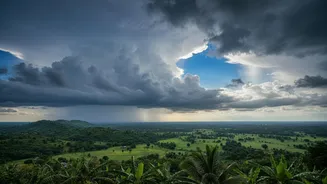
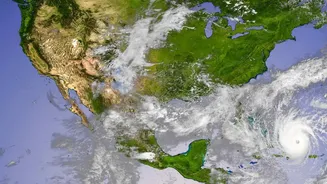
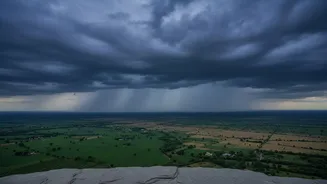
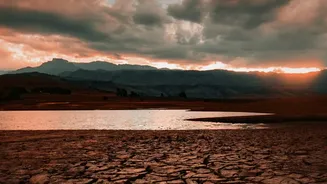
The IMD's latest outlook, released at the beginning of August, indicates that rainfall for August and September 2026 is likely to be below the Long Period Average (LPA), which is less than 94% of the historical average. This comes after a July that saw
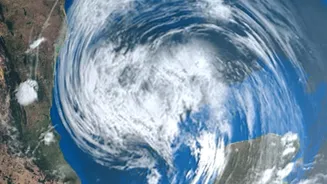
good rainfall recovery in some areas, but the overall seasonal deficit remains. The forecast points to the strengthening of El Niño conditions, which is often associated with weaker monsoons in India. However, the forecast isn't uniform. Some parts of peninsular, central, northwest, and northeast India may still experience normal to above-normal rainfall. Concurrently, most of the country is expected to see above-normal maximum and minimum temperatures.
For Households: Prepare for Varied Conditions
A 'below-normal' forecast does not mean no rain. In fact, some regions saw extremely heavy rainfall events in July. Therefore, household preparedness remains key. Start by inspecting your home for potential issues. Clear out choked drains, on balconies and terraces, to prevent water from overflowing. Check for and seal any cracks in walls or around windows to prevent seepage. It's also a crucial time to get your electrical wiring checked by a professional, especially earthing and outdoor fixtures, as the combination of water and electricity is dangerous. Keep an emergency kit with essentials like a torch, a power bank for your phone, a first-aid kit, and some dry food and water. Even with a drier overall forecast, intense spells can cause localised waterlogging and power cuts.
For Travellers: Plan with Caution
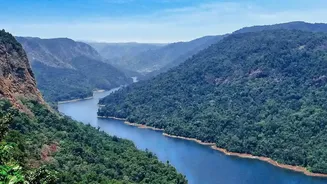
Travelling during the latter half of the monsoon requires careful planning. While a below-normal forecast might suggest fewer road closures from landslides, the risk is never zero, especially in hilly regions like Himachal Pradesh, Uttarakhand, and the Western Ghats. Always check district-level weather advisories from the IMD before you start your journey. Avoid driving at night in hilly or remote areas. Even if your destination seems dry, the routes leading to it could be affected by sudden, intense rainfall. Build buffer time into your travel itinerary for potential delays on roads, trains, or flights. Keep waterproof bags for your electronics and important documents, and inform your family or friends about your travel plans.
Navigating Specific Regions
The forecast's impact varies geographically. While the all-India picture is drier, states like Telangana might see normal to above-normal rainfall in August. Conversely, regions that have been in a rainfall deficit may continue to be dry. This uneven distribution is a key feature of this year's monsoon. For travellers, this means destinations like Kerala, Goa, and Coorg might be more accessible than in a typical heavy monsoon year, but local conditions can change rapidly. Areas like Wayanad in Kerala and parts of Himachal Pradesh have known landslide-prone zones that require caution regardless of the broader forecast. Always prioritise local alerts over general predictions.
Health and Safety Remain a Priority
Monsoon weather, whether heavy or light, brings health risks. Stagnant water, a result of even brief, intense showers, becomes a breeding ground for mosquitoes, increasing the risk of dengue and malaria. Ensure there is no standing water in or around your home. The risk of waterborne diseases also rises, so it is important to drink boiled or filtered water and avoid street food that may be exposed to contaminated water. When venturing out, wear footwear with a good grip to avoid slipping on wet surfaces and be cautious of open manholes and submerged potholes in waterlogged areas.