





A Sip of Nostalgia
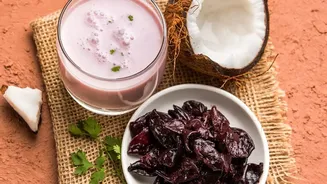
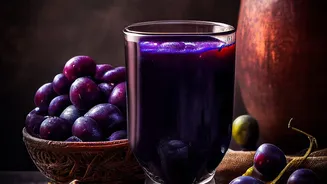
For many Indians, the flavours of jamun and kokum are deeply tied to memories of summer holidays and homemade sherbets. Jamun, the sweet-tart black plum, and Kokum, the sour, ruby-red fruit from the Konkan coast, were staples in home kitchens long before
they were considered menu-worthy by upscale cafes. By bringing these familiar tastes into a modern cafe setting, businesses are tapping into a powerful sense of nostalgia. They offer a comforting, authentic flavour of home, reimagined for a new, urban audience that is increasingly proud of regional Indian ingredients.
The Modern Wellness Drink
This trend is about more than just flavour; it’s a direct response to a massive consumer shift towards wellness. Today's diners are health-conscious, seeking beverages low in processed sugar and artificial additives. Jamun is celebrated in traditional medicine for its potential to help regulate blood sugar levels and is packed with antioxidants, Vitamin C, and iron. Kokum is a renowned summer coolant known for its digestive properties and ability to soothe acidity. Cafes are positioning these drinks as functional beverages—natural, hydrating alternatives to sugary sodas and syrups.
The Art of Cold-Steeping
The choice of “cold-steeped” on menus is deliberate. Unlike hot brewing, which can extract bitter compounds called tannins, cold-steeping is a slow, gentle process. Steeping the fruit in cold water for several hours coaxes out its natural sweetness and nuanced flavours, resulting in a smoother, clearer, and more refreshing drink. This method is ideal for delicate fruits like jamun and kokum, as it preserves their vibrant colour and heat-sensitive nutrients without the need for excess sugar to mask any bitterness.
Smart Business and Hyper-Local Pride
From a business perspective, adding indigenous drinks to the menu is a brilliant strategy. It allows cafes to stand out in a crowded market by offering something unique that isn't just another imported syrup flavour. This move aligns with a broader movement in the Indian food scene: looking inward and championing the country's immense biodiversity. Chefs and restaurateurs are increasingly celebrating regional ingredients, moving beyond generic menus to create authentic, story-driven experiences for diners. It's a celebration of India's own pantry, proving that local ingredients can be just as sophisticated and desirable as any international counterpart.
Beyond the Coffee Cup
The appearance of jamun and kokum isn't just limited to cold coolers. These versatile ingredients are flavouring everything from cocktails and ceviche to ramen broths and artisanal chocolates. Bartenders love kokum for its ability to add a complex sourness to drinks that is different from lemon or lime, giving cocktails a uniquely Indian character. This wider culinary adoption signals a major shift. Ingredients that were once confined to regional kitchens are now being embraced for their unique flavour profiles by chefs across the country, fuelling a new wave of creativity in modern Indian cuisine.