


The Feel and Look of a Fresh Onion
The first test for any bulb onion—be it yellow, red, or white—is a simple squeeze. A great onion should be very firm and feel heavy for its size. Softness is a major red flag, indicating the onion is old or has started to decay from the inside. The outer
skin should be dry, papery, and have a slight shine, with minimal blemishes or loose layers. Avoid any onions that feel damp, have wet spots, or show signs of bruising, as these are often precursors to mold and rot. A fresh, whole onion should also have little to no scent; a strong oniony or sour smell can indicate it has been bruised or is beginning to spoil.
Know Your Onion Varieties
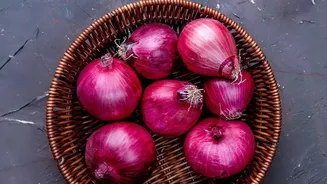
While the general rules of freshness apply to all, understanding the different types of onions helps you choose the best one for your recipe. Yellow Onions: These are the all-purpose workhorses of the kitchen. With a strong, pungent flavor when raw, they mellow into a deep sweetness when cooked, making them ideal for caramelizing, soups, and stews. If a recipe just calls for 'an onion,' this is usually the one to grab. Red Onions: Known for their vibrant magenta color, red onions are typically milder and a bit sweeter than yellow onions. Their crisp texture makes them perfect for eating raw in salads, sandwiches, and salsas. They are also a great choice for grilling and pickling. White Onions: With a crisp texture and a clean, tangy flavor that's milder than a yellow onion's, white onions are a staple in Mexican cuisine. They are excellent served raw in guacamole and salsas or sautéed in stir-fries. Sweet Onions: Varieties like Vidalia and Walla Walla have a higher sugar content and less sulfur, which gives them a distinctly mild and less pungent taste. This makes them the top choice for dishes where raw onion is featured, such as burgers and fresh salads, or for making onion rings.
Signs of Spoilage to Avoid
It's just as important to know what to avoid as it is to know what to look for. Steer clear of onions that have dark or black spots, as this is often a sign of mold, which can appear as a dusty powder or be present underneath the papery skin. Another clear warning sign is a mushy or slimy texture; a firm squeeze should not leave a significant indent or release any moisture. If you encounter an onion that feels soft, especially around the neck or root, it's best to leave it behind. A sour or rotten smell is another definite indicator that the onion has gone bad and should be tossed.
What About Sprouted Onions?
Finding an onion with a green shoot emerging from the top is common. This happens when the onion is exposed to light or warmth, signaling it to start growing. A sprouted onion is not necessarily a bad onion. If the bulb is still firm, dry, and free of mold, it's generally safe to eat. However, the sprouting process draws sugars and moisture from the bulb, which can make its flavor less sweet and its texture a bit softer. Simply cut the onion in half and remove the green sprout before using the remaining firm layers. The sprouts themselves are edible but can have a strong, slightly bitter taste.
Proper Storage for a Longer Life
Once you bring your perfect onions home, proper storage is key to keeping them fresh. Whole, unpeeled onions should be stored in a cool, dark, and dry place with good air circulation. A pantry, cellar, or a basket in a cool corner of the kitchen is ideal. Avoid storing them in plastic bags, as the lack of airflow will trap moisture and accelerate spoilage. It's also crucial to keep onions separate from potatoes; potatoes release moisture and gases that can cause onions to rot more quickly. Cut onions, on the other hand, should be stored in an airtight container in the refrigerator and used within a few days.