









The Subtle Early Warnings
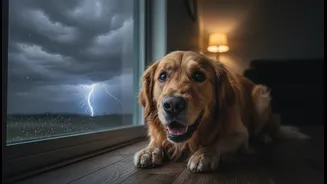
Long before the dramatic hiding or shaking begins, a dog may show subtle signs of stress. These early warnings are easy to miss if you don't know what to look for. You might notice your dog yawning more than usual, repeatedly licking their lips, or becoming
unusually still and watchful. Some dogs may start to show mild restlessness or an unwillingness to settle down, sensing the change in weather before you do. They can be sensitive to shifts in barometric pressure, static electricity, and distant sounds that are inaudible to human ears. Recognizing these quiet pleas for reassurance is the first step in managing their anxiety.
When Anxiety Escalates
If those early signs are missed or the storm's intensity grows, a dog's anxiety can quickly become more severe. This is when the more obvious behaviors appear. Pacing is a classic sign, as the dog is unable to settle and frantically searches for safety. Heavy panting and drooling, even when it's not hot, indicate significant distress. Many dogs will try to hide, seeking out small, enclosed spaces like closets, bathrooms, or under furniture to feel secure. Other signs of escalating fear include trembling, whining, clinginess, and in extreme cases, destructive behaviors like chewing on walls or trying to claw through doors in a desperate attempt to escape.
Understanding Your Dog's Fear
A dog's fear of thunderstorms is not irrational; it's a response to a sensory overload. Their hearing is far more sensitive than ours, making the unpredictable crash of thunder incredibly loud and frightening. Flashes of lightning create abrupt shifts in light that can be disorienting. Furthermore, some experts believe dogs are sensitive to the uncomfortable sensation of static electricity building up in their fur during a storm, which might explain why some seek out grounded locations like bathtubs. These elements combine to create a terrifying experience that the dog cannot understand or control.
How to Create a Safe Haven
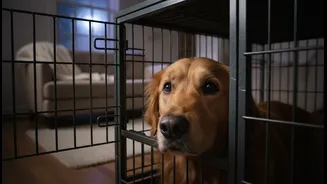
Your primary goal during a storm is to help your dog feel safe. You can't stop the weather, but you can control their environment. Designate a comfortable 'safe space' for them, such as a crate with the door left open, a closet, or an interior room. Make it inviting with cozy bedding and a favorite toy. Close the blinds or curtains to block out lightning flashes and play calming music, turn on the TV, or use a white noise machine to help muffle the sound of thunder. Your calm presence is also crucial. Avoid excessive coddling, which can reinforce their fear, but be available to offer gentle comfort and distraction.
Helpful Calming Tools
For dogs with more significant anxiety, several tools can provide additional support. Pressure wraps, like the popular ThunderShirt, apply gentle, constant pressure that has a calming effect on many dogs, similar to swaddling a baby. Pheromone diffusers, sprays, or collars can release calming chemical signals that help reduce stress. In some cases, your veterinarian may recommend anti-anxiety medications or calming supplements for dogs with a severe phobia. It is always best to discuss these options with a professional to find the safest and most effective solution for your specific pet.