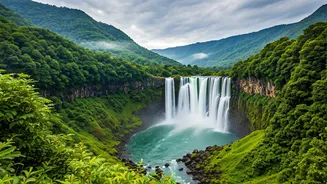









Why Nature Rewrites Your Itinerary
Planning a monsoon trip with a rigid schedule is a recipe for frustration. [5] The same rains that create spectacular waterfalls can also trigger landslides, wash out roads, and cause flash floods, particularly in hilly regions. [18] As recently as June
2026, heavy rains have led to significant road closures in states like Meghalaya and Sikkim, cutting off key tourist routes. [7, 15] A two-hour drive can quickly turn into an eight-hour ordeal, and flights are often delayed or cancelled due to storms. [5, 6] This inherent uncertainty means your meticulously planned itinerary can be disrupted at a moment's notice, making flexibility not just a convenience, but a core component of safe and successful monsoon travel. [5, 18]
Decoding 'Flexible Accommodation'
A truly flexible booking is your greatest asset against monsoon disruptions. [5] This goes beyond just a good price; it means prioritising reversible bookings. Look for hotels and homestays that offer generous cancellation policies, allowing you to change plans without significant financial loss. [17] Ideally, this means a full refund if you cancel within a specified window, often 24 to 72 hours before check-in. [25] Travel platforms are increasingly highlighting these options, with some hotels even offering free cancellation right up until the check-in time. [10, 23] Paying a little extra for a flexible or 'comfort' fare can be a worthwhile investment, acting as insurance against weather-related chaos. [6] Reading the fine print is crucial, as many properties have non-refundable policies during peak periods, which can include long weekends even in the monsoon. [21, 26]
The 'Book Now, Pay Later' Advantage
The rise of 'Book Now, Pay Later' (BNPL) schemes offers another layer of flexibility for travellers. [8, 9] Several airlines and travel aggregators now provide options to reserve flights and hotels with little to no upfront payment, allowing you to pay in instalments or closer to your travel date. [3, 16] This model gives you the confidence to book without being left out of pocket if a sudden landslide or flight cancellation forces a last-minute change of plans. [10] These services, offered by platforms like MakeMyTrip and airlines like SpiceJet, often involve a quick digital approval process, making it easier to secure your travel plans while retaining financial agility. [9, 16] It's a powerful tool for navigating the unpredictability of the season.
Homestays: A Haven in the Rains
When the rain confines you indoors, the type of accommodation you've chosen matters immensely. While hotels offer standardised service, a homestay can transform a rainy day from a 'disaster' into a cozy, intimate experience. [12] Unlike a hotel room designed primarily for sleeping, a homestay often provides living spaces, a kitchen, and a personal touch that feels more welcoming during a downpour. [2, 12] Hosts offer a direct line to local knowledge, advising which roads are safe and what hidden gems are best enjoyed in the rain. [17] Many homestays, whether in the backwaters of Kerala or the hills of Chikmagalur, provide authentic, home-cooked meals and a chance to immerse yourself in the local culture, which becomes even more valuable when outdoor activities are limited. [2, 4, 19]
On-Ground Strategy and Safety
Flexibility extends beyond booking. It’s wise to choose your destination carefully, avoiding regions known for frequent, severe landslides. [18] Instead of a packed A-to-B-to-C itinerary, consider a hub-and-spoke model: base yourself in one location for several days and take day trips when the weather permits. [5] Always build buffer days into your schedule. [6] When choosing a property, look for reviews that mention monsoon conditions, ensuring they have good drainage and power backup. [20] Finally, consider travel insurance that specifically covers weather-related disruptions, which can protect you from financial losses due to cancellations or delays. [10, 20]