



Sticking to a Rigid Watering Schedule
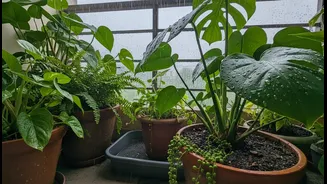
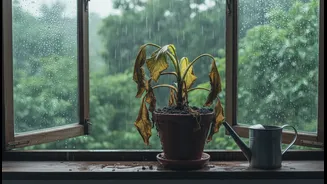
The most common mistake is watering plants on a fixed schedule, like every other day, regardless of the weather. During the monsoon, humidity is high and evaporation is low, meaning soil stays wet for much longer. Continuing a summer watering routine
is a fast track to overwatering. Instead of following a calendar, trust the 'touch test'. Insert your finger about an an inch or two into the soil. If it feels damp, hold off on watering. Only water when the top layer of soil is genuinely dry. This simple habit is the most effective way to prevent root rot during the rainy season.
Ignoring Poor Drainage
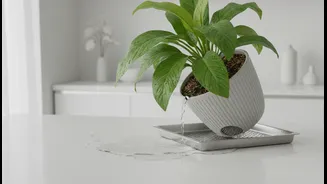
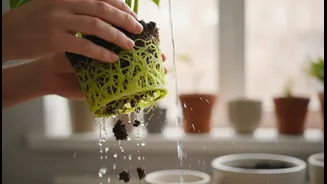
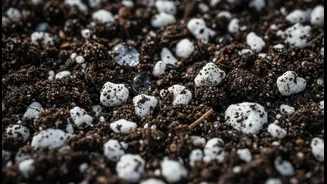
Rain is great, but when water has nowhere to go, it suffocates plant roots. This is a huge risk for potted plants. Many gardeners forget to check if their pots have adequate drainage holes, or if those holes have become clogged. If water can't escape, the soil becomes a swamp, leading to root rot, which is often identified by a sour smell from the pot or wilting leaves despite wet soil. To fix this, ensure every pot has clear drainage holes. You can even elevate pots on bricks or stands to help water drain away freely and prevent them from sitting in puddles. Using a light, well-draining potting mix with ingredients like sand or perlite is also crucial.
Moving Plants Out into Heavy Rain
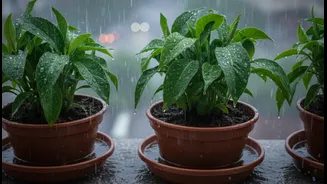
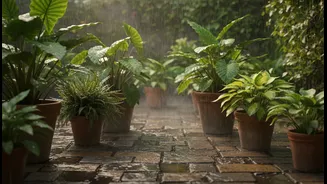
It can be tempting to give your indoor plants a natural shower, but a heavy monsoon downpour is often too much for a potted plant to handle. Unlike plants in the ground, a potted plant has a limited volume of soil that can become saturated very quickly. This leads to waterlogging, which stresses the plant and can cause physical damage to delicate foliage. For smaller or more sensitive plants, it’s better to move them to a sheltered balcony or patio where they can benefit from the humid air without being drowned by the rain. If a plant does get caught in a heavy shower, be sure to tip the pot to drain any excess water.
Watering Leaves Instead of the Soil
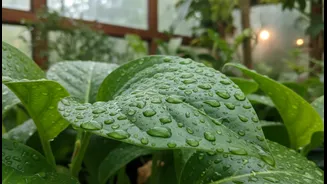
Misting plants or watering them from overhead can be refreshing for them in the dry season, but it's a risky practice during the monsoon. With humidity already high, wet leaves can stay damp for hours, creating the perfect breeding ground for fungal diseases like powdery mildew or leaf spot. You might notice white powdery patches or brown and black spots appearing on the leaves. To avoid this, always water plants at their base, delivering moisture directly to the soil where the roots can absorb it. This keeps the foliage dry and healthy, reducing the risk of infection. If you must water, do it in the morning so any splashes have time to evaporate during the day.
Treating All Your Plants the Same
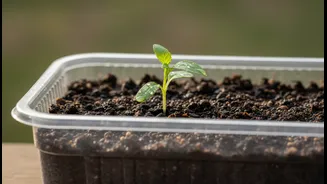
Not all plants have the same water needs, and this becomes even more apparent during the monsoon. Succulents and cacti, for instance, are extremely prone to rot in high humidity and need very little, if any, supplemental watering. Tropical plants like ferns or monstera might enjoy the moisture but still need their soil to be well-aerated. Flowering plants can be sensitive to too much water, which may cause their blooms to drop. Take a moment to assess the needs of your different plants. Grouping them by their water requirements can make care easier and prevent you from accidentally overwatering a desert plant while trying to quench a thirsty fern.