







The 'Natural' Sweetener Landscape
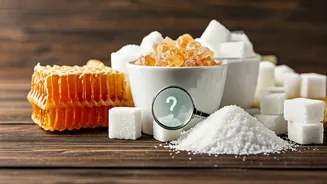
Walk down any supermarket aisle, and you'll find products sweetened with stevia, monk fruit, or erythritol, often marketed as wholesome alternatives to sugar. These are broadly categorised as 'natural sweeteners'. The term suggests they come straight
from nature, untouched and pure. However, this isn't always the case. While some, like honey and maple syrup, are less processed, they still contain calories and sugar. Others, like stevia and monk fruit, are derived from plants but undergo significant processing and purification to become the powders and liquids we use. They are often called non-nutritive or low-calorie sweeteners because they provide intense sweetness with few to no calories. This makes them particularly appealing for weight management and for people with diabetes.
The Popular Contenders
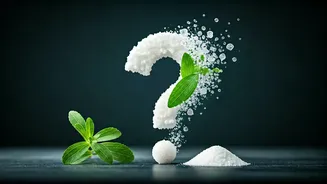
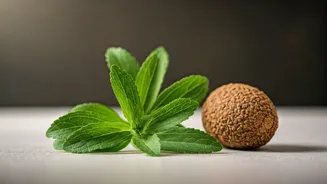
Stevia and monk fruit lead the pack in the zero-calorie natural sweetener category. Stevia is extracted from the leaves of the Stevia rebaudiana plant and can be up to 300 times sweeter than table sugar. Monk fruit, derived from a small melon native to Southeast Asia, is about 100-250 times sweeter. Both are popular because they don't raise blood sugar levels, making them a useful tool for individuals managing diabetes. Then there are sugar alcohols like erythritol and xylitol. These are found naturally in some fruits and vegetables but are also manufactured by fermenting sugars like corn. They have a taste similar to sugar but with fewer calories and are also known for not causing tooth decay.
The Case For Them: Benefits Beyond Fewer Calories
The primary benefit of non-nutritive natural sweeteners is their ability to reduce overall calorie and sugar intake without sacrificing sweetness. For people with diabetes or those monitoring their blood sugar, sweeteners like stevia and monk fruit are valuable because they have a glycemic index of zero, meaning they don't cause blood sugar spikes. Some studies have even suggested potential added benefits; stevia, for instance, has been researched for its potential to help lower high blood pressure. Monk fruit contains antioxidants called mogrosides, which may have anti-inflammatory properties, although more human research is needed to confirm these effects. In India, regulatory bodies like the FSSAI have approved these sweeteners for use in various food products, setting safety limits for their consumption.
The Case Against: Emerging Health Concerns
Despite their benefits, the picture isn't entirely rosy. A significant concern has recently emerged around erythritol. Studies published in journals like Nature Medicine have linked high levels of erythritol in the blood to an increased risk of heart attack, stroke, and blood clot formation. While researchers note that association is not the same as causation and that more long-term studies are needed, they advise caution, especially for those already at high cardiovascular risk. Beyond specific ingredients, some experts worry about the broader impact of these intensely sweet substances. They can be hundreds of times sweeter than sugar, which might reset our taste preferences and increase cravings for sweet foods over time. Furthermore, some people experience digestive issues like bloating and gas from sugar alcohols, as they are not fully digested by the body.
A Call for Moderation and Perspective
So, where does that leave the health-conscious consumer? The consensus among nutrition experts is that natural sweeteners can be a useful tool, but they are not a magic bullet. They can help reduce sugar consumption, which is linked to numerous health problems. However, the 'natural' label shouldn't be mistaken for a free pass to consume unlimited quantities. The Food Safety and Standards Authority of India (FSSAI) has stated that it does not recommend these sweeteners specifically for weight loss but rather sets safe consumption limits. The key is moderation. Using stevia in your morning tea or choosing a product sweetened with monk fruit is a reasonable strategy. Relying on them heavily while ignoring the overall quality of your diet is not. The ultimate goal should be to reduce our reliance on intense sweetness altogether, whether it comes from sugar or a substitute.