

1. Curate a Cohesive Theme
The most compelling vintage gallery walls feel collected, not chaotic. The secret is to choose a unifying theme. This doesn't mean every piece must be identical, but they should share a common thread. You could focus on a specific subject, like botanical
prints, landscape paintings, or black-and-white portraits. This approach allows you to mix different artists and eras while maintaining a sense of harmony. Another thematic strategy is to build a visual diary of your life, incorporating sentimental pieces like travel postcards, old family photos, or architectural drawings of places you've lived. The goal is to create a collection that feels personal and intentional. By establishing a clear point of view, your gallery wall will look thoughtfully curated, even if the pieces were acquired from vastly different sources.
2. Mix, Don't Match Your Frames
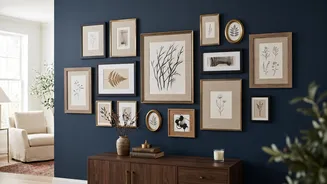
A vintage gallery wall thrives on character, and a key part of that is frame selection. Avoid the temptation to use identical frames. Instead, embrace an eclectic mix of materials and styles to create visual depth and a 'collected over time' feel. Combine ornate gilt frames with simple dark wood, or pair sleek black lacquer with weathered, painted finishes. To keep the arrangement from looking messy, stick to two or three dominant frame colors, like gold, wood, and black, and repeat them throughout the display. The variation in shape and texture will add personality, while the limited color palette provides the necessary cohesion. Don't be afraid to buy a piece for its beautiful frame, even if you don't love the art inside—you can always swap it out later.
3. The Art of the Asymmetrical Layout
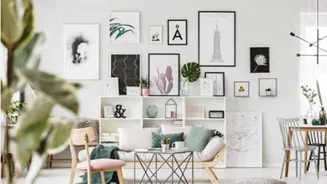
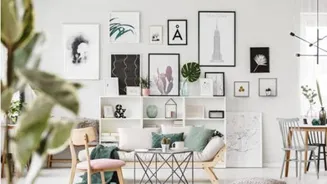
Forget perfect grids and rigid symmetry. A vintage gallery wall feels more authentic and dynamic when arranged asymmetrically. Start by laying out your pieces on the floor to experiment with different combinations before committing to nails in the wall. Identify one larger 'anchor' piece and place it slightly off-center at eye level. Then, build the rest of the arrangement outwards from there, mixing various sizes and orientations. Maintain a relatively consistent spacing of about two to four inches between each frame to give the art room to breathe. This method creates a more organic and visually interesting composition that draws the eye across the entire collection. The final arrangement should feel balanced but not perfectly mirrored.
4. Incorporate Three-Dimensional Objects
A truly memorable gallery wall often includes more than just framed pictures. Adding three-dimensional objects introduces texture, depth, and an element of surprise. Consider incorporating small, interesting items that complement your vintage theme. An ornate antique mirror can break up the pattern of frames and reflect light into the room. Other ideas include small carved shelves holding a single sculpture, a decorative plate, vintage sconces, or even framed textiles like a beautiful old scarf. These objects provide a welcome visual break from the flat surfaces of prints and paintings, making the entire wall feel more like a curated cabinet of curiosities. The key is moderation; just one or two dimensional pieces can be enough to elevate the entire display.
5. Master the Monochromatic Mood
For a sophisticated and timeless look, consider a monochromatic or limited-color-palette approach. This is especially effective for creating a serene and unified atmosphere. A collection of black-and-white or sepia-toned photographs instantly evokes a sense of history and nostalgia. You can enhance this effect by using simple, classic frames in black or dark wood. Alternatively, focus on art with a muted color story—think soft earth tones, faded blues, and warm creams that create a gentle, cohesive look across different subjects. This strategy allows you to blend various styles, from portraits to landscapes, without overwhelming the space. The result is an elegant and understated gallery wall that feels both historic and incredibly chic.