








First, What Is TCS?
Tax Collected at Source (TCS) is not an additional tax but an advance income tax collected by the seller from the buyer. When you spend money on certain overseas transactions, like buying a tour package or sending money abroad, your bank or travel operator
collects this tax on behalf of the government. The amount is then credited against your PAN. This means you can either adjust it against your total income tax liability or claim it as a refund when you file your income tax returns (ITR). It's a way for the government to track large foreign expenditures, but it is not a lost cost.
The Big News: A Major Cut for Tour Packages
The most significant change, effective from April 1, 2026, directly impacts travellers booking holiday packages. The old, complicated system of charging 5% TCS on packages up to a certain limit and 20% beyond that is gone. It has been replaced by a simple, flat 2% TCS on the total cost of any overseas tour package, starting from the very first rupee. This is a substantial reduction that lowers the upfront cost of booking international holidays. For example, on a ₹5 lakh tour package, the TCS collected is now just ₹10,000, compared to ₹25,000 under the previous rules.
The ₹10 Lakh Threshold for Other Spending
For most other types of foreign remittances under the Liberalised Remittance Scheme (LRS)—such as investing in foreign stocks, gifting money, or buying property—a generous threshold provides relief. There is no TCS on the first ₹10 lakh you send abroad in a financial year. However, once your total remittances cross this ₹10 lakh limit, a TCS of 20% applies to the amount exceeding the threshold. So, if you send ₹12 lakh for investment purposes, TCS is collected only on the extra ₹2 lakh, which would amount to ₹40,000.
Credit Cards vs. Forex Cards
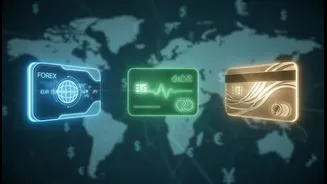
There is continued confusion regarding credit cards. As of now, the government has deferred the plan to levy TCS on international credit card spending made while you are physically overseas. This means, for now, you can use your Indian credit card for purchases abroad without attracting TCS. This exemption, however, is 'until further notice' and could change. It's crucial to distinguish this from forex cards. Loading money onto a forex card is considered a remittance under LRS, so the ₹10 lakh threshold and relevant TCS rates do apply.
Concessional Rates for Education and Medical
There's also good news for those funding education or medical treatments abroad for their family members. For self-funded remittances for these purposes, the TCS rate has been reduced. While there is no TCS on the first ₹10 lakh, any amount sent above this limit now attracts a lower TCS of 2%, down from 5% previously. Furthermore, if the education expenses are paid via a loan from a recognised financial institution in India, the remittance is completely exempt from TCS, regardless of the amount.
How to Get Your TCS Money Back
The most important thing to remember is that any TCS paid is linked to your PAN and appears in your Form 26AS, which is a consolidated annual tax statement. When you file your annual income tax return, the total TCS amount you've paid is treated as tax already paid by you. You can set this amount off against your final tax liability. If the TCS paid is more than your actual tax liability for the year, you will receive the excess amount as a refund from the Income Tax Department. Therefore, while it impacts your cash flow temporarily, it is not an extra expense.