








The Soaring Price of a Kitchen Staple
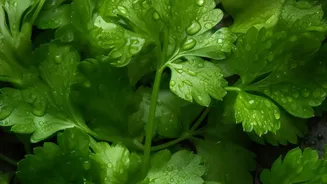
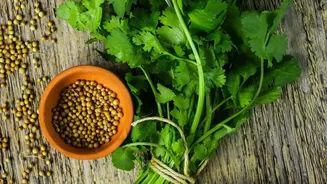
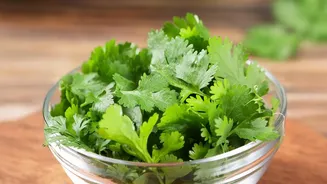
That small bunch of fresh coriander, often tucked into your shopping bag at no extra cost, is now commanding a premium. In markets across the country, prices have surged dramatically. Retail rates in cities like Delhi have climbed to over ₹200 per kilogram,
a steep rise from the usual ₹25-30 per kg seen at this time of year. This sharp increase has caught many households by surprise, forcing a rethink of daily cooking and grocery budgets. The price hike is not just marginal; it represents a nearly tenfold increase in some areas, transforming dhaniya from an everyday herb into a carefully considered purchase.
Why the Monsoon Hits Coriander Hard
The primary culprit behind the price spike is the monsoon itself. Coriander is a delicate crop with fragile leaves that are highly susceptible to damage from heavy and sustained rainfall. Key growing regions, such as Nashik in Maharashtra, which supply large parts of northern India, have been hit with intense rains, leading to waterlogged fields and crop rot. This damages the standing crop and drastically reduces the available supply. Furthermore, the monsoon disrupts transportation networks, with flooded roads and logistical bottlenecks making it difficult for the surviving produce to reach markets in good condition, further squeezing supply and pushing prices upward.
Navigating the Kitchen Without Coriander
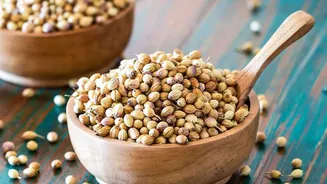
While no herb can perfectly replicate the distinct, fresh flavour of dhaniya, several alternatives can work in a pinch. For garnishing, finely chopped parsley can offer a similar visual appeal, though its flavour is milder and more peppery. In some chutneys and gravies, a small amount of mint can provide a different kind of freshness. For recipes that use coriander seeds, cumin is an excellent substitute, as it shares a similar earthy warmth. Other options include using spice blends like garam masala or curry powder, which often contain coriander, but these should be used sparingly as they will alter the overall taste of the dish.
Smart Storage to Maximise Every Rupee
When you do decide to buy pricey coriander, making it last is key to reducing waste and getting the most value. One of the most effective methods is to trim the stems and place the bunch in a glass of water, much like a bouquet of flowers, and cover it loosely with a plastic bag in the refrigerator. Another popular technique is to wrap the unwashed coriander bunch in a paper towel before placing it in an airtight container or zip-lock bag. This absorbs excess moisture and prevents the leaves from rotting quickly. For long-term storage, you can also chop the coriander, mix it with a little water or oil, and freeze it in ice cube trays for easy use in curries and dals.
When Can We Expect Relief?
The good news is that this price shock is typically a seasonal phenomenon. Historically, the prices of leafy vegetables like coriander tend to stabilise as the monsoon season wanes and weather conditions become more favourable for cultivation and transportation. Once the heavy rains subside and new crops can be harvested and brought to market without disruption, supply will improve and prices will gradually return to more normal levels. Consumers can generally expect to see relief in the post-monsoon months, as the supply chain recovers and the availability of fresh produce increases across the country.