


The Natural Charm and Eco-Friendly Edge
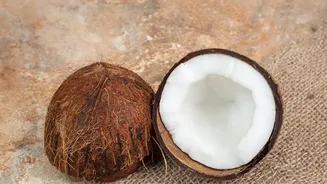
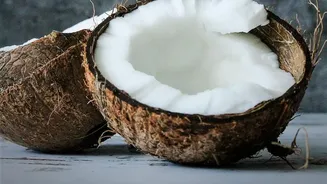
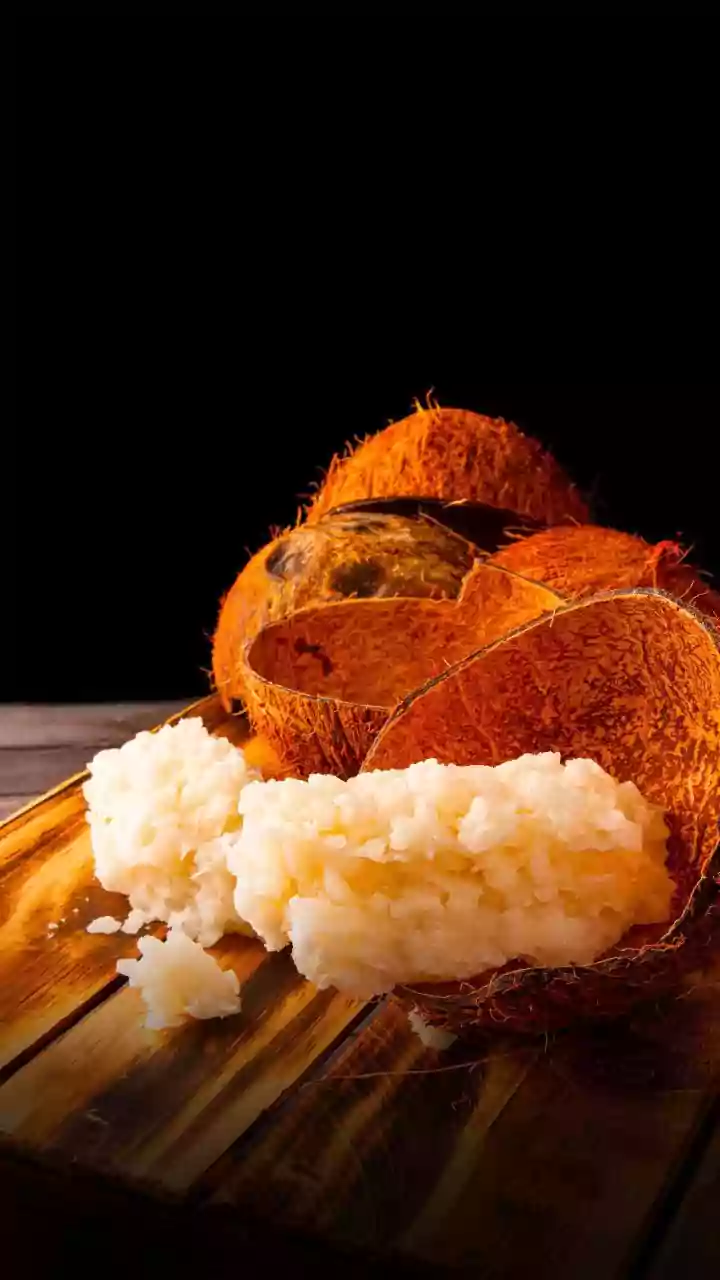
In a world of plastic pots, the humble coconut shell stands out as a natural, biodegradable alternative. After the water and flesh are used, the hard shell that typically ends up in the bin can be given a second life. This upcycling is a major part of their
appeal for gardeners looking to make more sustainable choices. Their rustic, tropical aesthetic adds a unique visual touch to balconies, windowsills, and garden beds that manufactured pots often lack. This appeal, combined with their sturdy and biodegradable nature, has made them a popular choice in sustainable gardening circles. But their real value emerges when you understand their unique material properties and match them to the right plants.
An Ideal Home for Succulents and Cacti
If there's a perfect match for coconut-shell planters, it's succulents and cacti. These plants demand excellent drainage to prevent root rot, a feature that is built right into the shell. The naturally porous texture of a coconut shell allows excess water to escape efficiently. Many commercially available coconut planters come with pre-drilled drainage holes, but it’s easy to add more yourself. Because succulents and cacti have shallow root systems and prefer to stay on the drier side, the small, contained space of a half coconut shell is perfectly suited to their needs. Their compact size prevents the soil from staying waterlogged, creating the arid environment in which these desert plants thrive.
Perfect for Orchids and Air Plants
Another area where coconut shells excel is in housing epiphytes like orchids and air plants. These are plants that, in their natural habitat, grow on other trees rather than in soil. They require exceptional airflow around their roots to stay healthy, and the fibrous, open nature of a coconut shell provides just that. The material's ability to drain quickly prevents the kind of waterlogging that can be fatal to an orchid. Many growers use coconut shell planters as hanging baskets, which further enhances air circulation and mimics the plant's natural growing conditions. For orchids, bromeliads, and other tropicals, a coconut shell isn't just a container; it's a home that closely replicates their native environment.
A Smart Choice for Starting Seeds
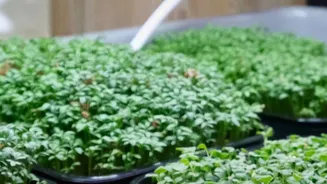
For gardeners looking to reduce plastic, coconut shells make excellent biodegradable seed starters. Their small size is perfect for nurturing a single seedling. You can fill the shells with a seed-starting mix and, once the seedling is strong enough, transplant it into a larger pot or directly into the garden. Because the shell itself is organic, it can be planted along with the seedling, where it will slowly decompose and add organic matter to the soil over time. This process avoids the root disturbance that can happen when moving seedlings from flimsy plastic trays, giving your young plants a stronger start.
Understanding Their Limitations
Recognising what coconut-shell planters don't do well is just as important as knowing their strengths. Their small size is a significant constraint; they are not suitable for large plants or those with deep, aggressive root systems. Furthermore, their excellent drainage means they dry out quickly, which can be a problem for thirsty plants or for gardeners in hot, dry climates. These planters may require more frequent watering than their ceramic or plastic counterparts. Finally, their biodegradability is a double-edged sword. While eco-friendly, it means they have a limited lifespan, typically lasting two to three years outdoors before they begin to break down. This makes them less of a permanent solution and more of a temporary or transitional pot for specific, short-term gardening projects.