







The Puzzle of Bitter Foods
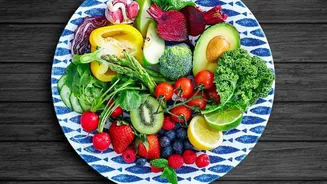
For generations, an aversion to bitterness has been a fundamental survival instinct, helping our ancestors avoid potentially toxic plants. Yet, many of the healthiest foods available to us, from leafy greens to cruciferous vegetables, carry a distinctly
bitter taste. This creates a paradox: if we are genetically programmed to dislike bitter flavours, why do so many people around the world embrace them? An extensive study involving over 9,000 adults, largely from an Australian national health survey, sought to understand this complex relationship. Researchers aimed to look beyond simple taste preferences to uncover the real drivers behind the consumption of bitter foods and beverages.
The Genetic Taste Lottery
Our perception of bitterness is not uniform; it is deeply rooted in our genes. Specifically, a gene called TAS2R38 acts as a primary receptor for bitter compounds. Variations in this gene mean that some people are 'supertasters,' who find foods like broccoli, Brussels sprouts, and even dark chocolate overwhelmingly bitter. Others are 'non-tasters,' who barely detect the bitterness at all, while most of us fall somewhere in between. People who are more sensitive to bitterness are known to eat fewer vegetables on average. However, the new research suggests this is only a small part of a much bigger story.
Belief and Exposure Over Biology
The study's most compelling finding is that a person's attitude and behaviour towards food can override their genetic programming. The research showed that people who regularly consumed bitter foods were not necessarily the ones who were genetically 'non-tasters.' Instead, they were often individuals who perceived these foods as healthy and had been repeatedly exposed to them over time. The data from the 9,000-plus participants indicated that diets highest in bitter foods were actually healthier overall, featuring more fibre, vegetables, and whole grains. This suggests that we learn to eat bitter foods, driven by the knowledge of their benefits or by cultural and family eating habits, effectively training our palate to accept and even enjoy the flavours our genes might initially reject.
The Health Case for Bitterness
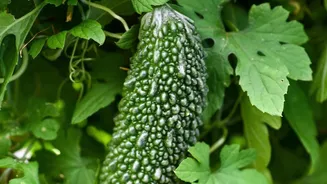
The compounds that make vegetables bitter, such as glucosinolates in cruciferous vegetables like kale and cabbage, are also responsible for many of their health benefits. These powerful phytonutrients act as antioxidants, help reduce inflammation, and support the liver's detoxification processes. In India, traditional foods like karela (bitter melon) and methi (fenugreek) are consumed not just for their flavour but for their well-known medicinal properties, including blood sugar regulation. Research confirms that many of these bitter plant compounds can help protect against chronic conditions like heart disease and support better gut health. Essentially, by learning to embrace bitterness, we unlock a wider range of nutrients that are vital for long-term wellness.
Rethinking Your Relationship with Food
This large-scale study shifts the conversation from a fixed mindset of 'I don't like that' to a more flexible one. Your taste preferences are not set in stone by your DNA. For those looking to incorporate more healthy, bitter foods into their diet, experts suggest starting small. You can pair bitter greens with other flavours like healthy fats from olive oil or nuts, or lightly cook them to mellow their intensity. The key takeaway is that an 'acquired taste' is a real and powerful phenomenon. The decision to eat bitter vegetables is less about winning the genetic lottery and more about a conscious choice to prioritise health, one bite at a time. It’s a powerful reminder that our habits and beliefs can be just as influential as our biology.