




What Is Slow Travel, Really?
Slow travel is more than just extending a vacation. It's a mindset that prioritises connection over checklists. Originating from the 'Slow Food' movement in Italy, which championed local cuisine against the rise of fast food, slow travel applies the same
ethos to exploring. It encourages travellers to immerse themselves in a destination, often by staying in one place for a longer period, from a week to several months. The goal is to move beyond being a mere tourist and to experience a place with intention, engaging with its culture, people, and environment on a deeper level. It means trading a packed itinerary of famous landmarks for the simple pleasure of discovering a neighbourhood cafe, learning a few words of the local language, or understanding the rhythm of daily life.
The Economic Ripple Effect
When travellers rush through a city in 48 hours, their spending is often concentrated in tourist-heavy zones on souvenirs and quick meals. Slow travel changes this dynamic entirely. By staying longer, visitors' spending patterns begin to resemble those of locals. They buy groceries at the neighbourhood market, visit family-owned bakeries, use local laundromats, and find a favourite restaurant off the main strip. This funnels money directly into the hands of small business owners, rather than large international chains. This spending is not only more distributed but also more consistent, providing a steadier source of income for communities compared to the seasonal and often volatile revenue from mass tourism. Studies have shown that slow travellers can spend significantly more in local economies than conventional tourists.
Discovering Businesses Beyond the Guidebook
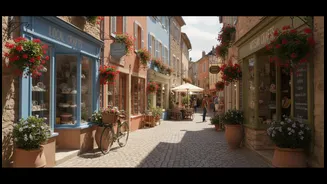
One of the greatest benefits of a relaxed itinerary is the freedom it gives you to explore without a rigid plan. Slow travellers have the time to wander, get lost, and stumble upon hidden gems that are never mentioned in guidebooks. A conversation with a shopkeeper might lead to a recommendation for the best local artisan, or a daily walk could reveal a craftsperson selling unique, handmade goods. This approach directly supports the creators, artisans, and entrepreneurs who form the true cultural fabric of a place. By choosing to support these businesses, travellers help preserve the unique character and traditions of the destination, ensuring it doesn't become a homogenised tourist trap.
A More Sustainable and Mindful Choice
The benefits of slow travel extend beyond just economics. Environmentally, staying in one place reduces a traveller's carbon footprint by minimising carbon-heavy transportation like flights and opting for walking, cycling, or public transport. This mindful approach also fosters a greater appreciation for the local environment and can encourage more sustainable practices. Socially, it allows for the formation of genuine connections. Instead of brief, transactional encounters, travellers have the opportunity to build relationships with hosts, neighbours, and business owners, leading to a more enriching and authentic experience for everyone involved. This fosters mutual respect and a deeper cultural understanding that a whirlwind tour simply cannot provide.
How to Embrace Slower Journeys
Adopting a slow travel mindset doesn't require quitting your job to travel for a year. It can be applied to any trip. Consider visiting one city or region instead of trying to see an entire country. Rent an apartment with a kitchen to shop at local food markets. Use public transport to get a better feel for the layout of a place. Prioritise experiences over sights; instead of seeing five museums in a day, pick one and spend the afternoon there, followed by a long, leisurely meal at a restaurant recommended by a local. Leave room in your schedule for spontaneity. The most memorable moments often come from the unplanned discoveries you make when you simply allow yourself time to explore.