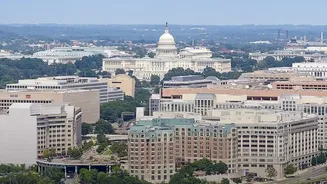

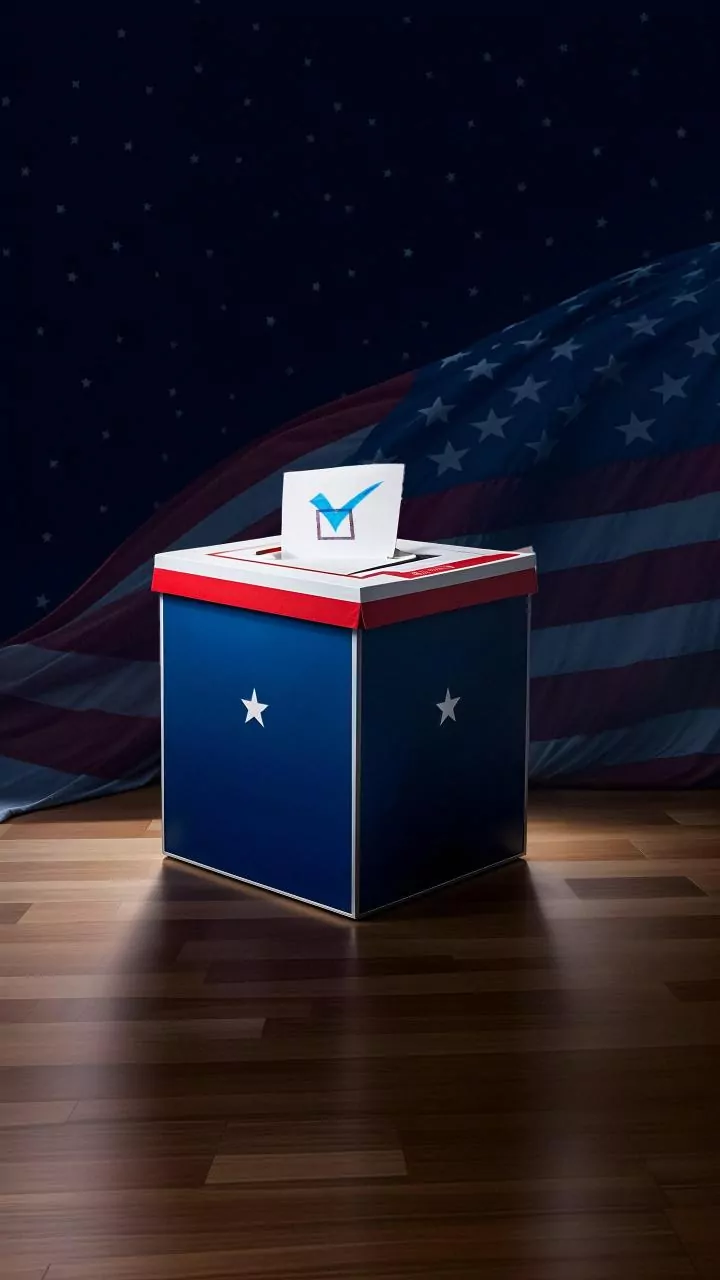


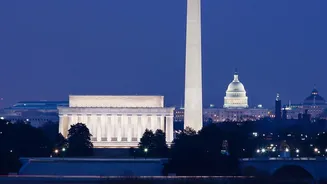

The 2026 midterm elections are over, and the world is now watching Washington with bated breath. With a new balance of power in Congress, analysts are focused on how US foreign policy might shift, especially with Donald Trump's formidable influence.
A New Dynamic in Washington
The
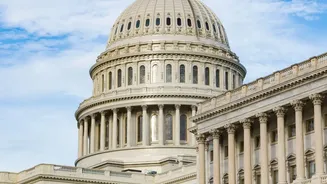
Democratic party's victory in both the House and Senate is seen by many as a public response to the administration's foreign policy, particularly its economic consequences like high gas prices and the rising cost of living linked to tariffs and the war in Iran. While President Trump retains significant authority in foreign affairs, Democrats now control congressional committees and the power of the purse. This sets the stage for potential clashes over policy direction, spending, and appointments. Analysts note that while a presidential veto is powerful, the new Congress has more leverage to conduct oversight and influence the national security agenda, something that has been largely absent in recent years.
The Question of Ukraine and Russia
Support for Ukraine is a key area experts are monitoring closely. President Trump had previously halted direct aid to the country, a move that contradicted the broad bipartisan support for Kyiv in Congress. With Democrats now controlling the legislative agenda, analysts expect a renewed push for military and economic assistance packages for Ukraine. This could put the US back in the picture of providing significant support. However, any legislative efforts would likely face a presidential veto, requiring a difficult-to-achieve two-thirds majority in both chambers to override. Still, the new congressional dynamic establishes a baseline of support, signaling to allies that the US will not completely abandon Ukraine.
Navigating Relations with China
When it comes to China, the view from Washington is more complex. A tough stance on China enjoys a degree of bipartisan support, particularly regarding technology controls and security issues. However, the Democratic-controlled Congress may be less inclined to support the kind of broad tariffs favored by Trump, especially if they are seen to raise costs for American consumers and businesses. Analysts suggest that while the general direction of US-China policy might not dramatically change, the instruments used could. The new Congress could constrain Trump's liberal use of tariffs, though a complete reversal is unlikely. For its part, Beijing is expected to continue its strategy of leader-to-leader engagement, viewing it as the most stable way to manage a tense relationship.
Uncertainty in the Middle East
The Middle East, particularly policy toward Iran, remains a significant point of friction. The midterm results were interpreted by some as a rebuke of the ongoing war, which a majority of voters felt was the wrong decision and a major factor in their vote. With domestic policy options constrained, some analysts warn that President Trump could become more adventurous in foreign policy, potentially escalating actions against Iran during the 'lame-duck' period before the new Congress is seated. The new Democratic majority, however, is expected to challenge any sustained military deployments and reassert congressional authority over decisions of war and peace. This could also impact US aid to allies in the region, including Israel.
Trump's Enduring Influence
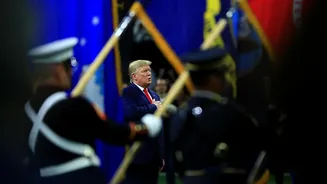
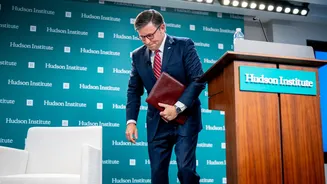
Despite the election results, Donald Trump remains the central figure in US foreign policy for the next two years. His 'America First' ideology and transactional approach to diplomacy continue to shape the Republican party's worldview, creating a crisis for the party's traditional foreign policy orthodoxy. Analysts believe the president may lean more heavily on his executive authority in foreign policy now that his domestic agenda faces a divided government. While allies in Europe may hope for a change in tone from Washington, many are proceeding with plans for greater strategic autonomy, skeptical of a dramatic shift in the US desire for Europe to shoulder more of its own security burden. The world is left to contend with a split power base in Washington, where presidential authority and congressional opposition will define the next chapter of American engagement.