


The Sweet Dilemma of Devotion
Janmashtami, celebrating the birth of Lord Krishna, is synonymous with an abundance of delectable sweets offered as 'bhog' or 'prasad'. Favorites like panjiri, makhan mishri, and various kheers are central to the celebrations. These recipes, passed down
through generations, are rich in ghee, milk, and most notably, sugar. While these ingredients signify richness and auspiciousness, modern health awareness has cast a spotlight on the less desirable effects of high sugar consumption. For many, especially younger generations and health-conscious individuals, the festive indulgence often comes with a side of guilt, creating a conflict between cultural participation and personal well-being.
A New Generation's Healthy Answer
In response to this dilemma, a heartening trend is emerging across the country. Youth collectives, neighbourhood groups, and young families are taking the initiative to give these beloved Janmashtami sweets a healthy makeover. Rather than abandoning the traditions, they are embracing them with a renewed perspective. Their mission is to create offerings that are just as delicious and devotional but are aligned with contemporary wellness values. This movement isn't about restriction; it's about thoughtful substitution, proving that tradition and health can coexist beautifully on the festive platter.
From Refined Sugar to Natural Goodness
The cornerstone of this sweet revolution is the replacement of refined white sugar. Instead of empty calories, these modern recipes champion natural sweeteners that come with nutritional benefits. Jaggery (gur) is a popular choice, known for its iron and mineral content and its ability to act as a digestive aid. Other alternatives include date paste, which provides natural sweetness along with fibre, and in some cases, stevia or monk fruit for diabetic-friendly options. These swaps do more than just cut sugar; they introduce a richer, more complex flavour profile, with the caramel notes of jaggery or the fruity depth of dates enhancing the taste of the sweets.
Reinventing the Classics
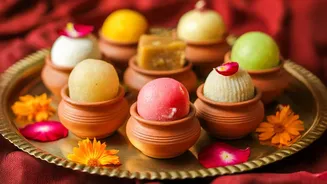
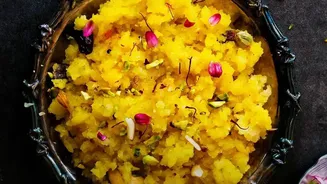
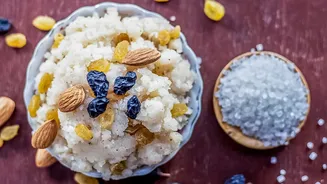
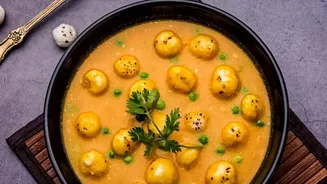
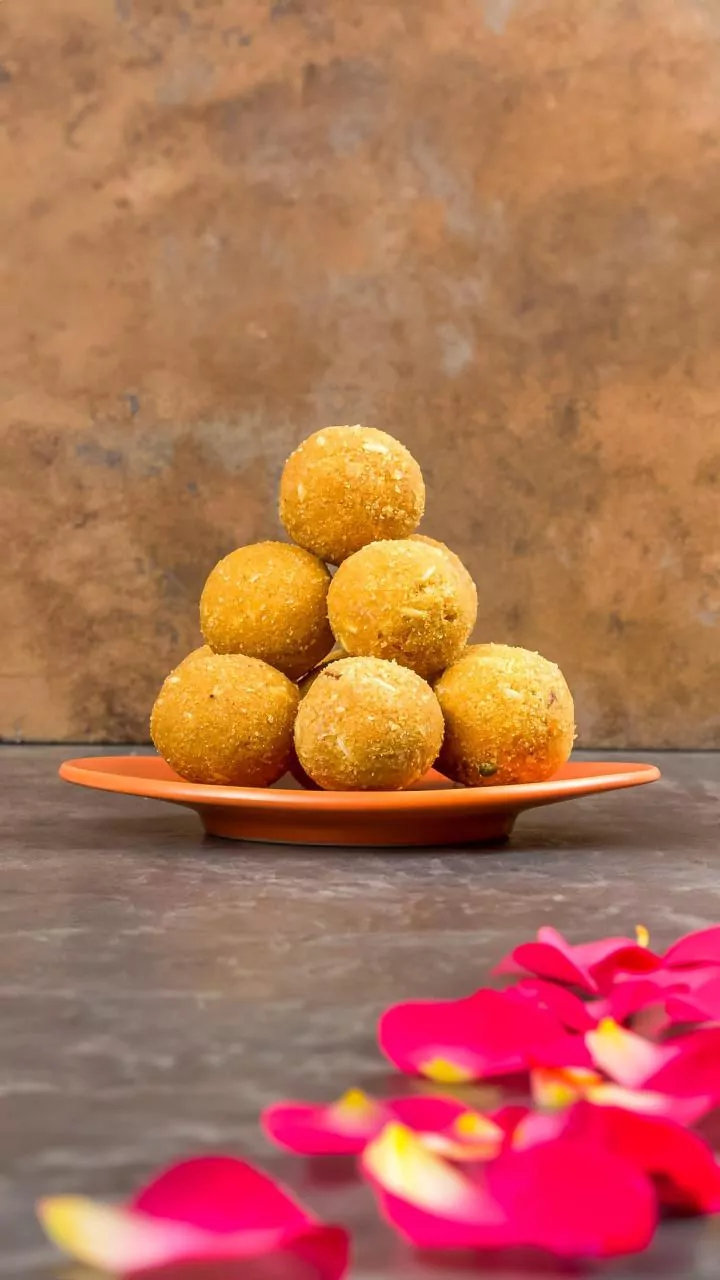
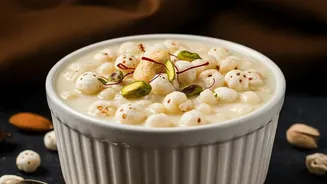
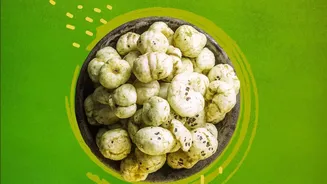
So, what do these healthier versions look like? The classic Dhaniya Panjiri, traditionally made for fasting, is being prepared with whole wheat or coriander seed powder, slow-roasted in ghee with nuts, and sweetened with jaggery powder instead of sugar. Makhana Kheer, a creamy pudding made from puffed lotus seeds, is now often sweetened with a smooth paste of dates or a sprinkle of jaggery, retaining its richness without the sugar rush. Even ladoos are getting a healthy twist, with recipes for Coconut Ladoos using fresh coconut and jaggery syrup, or energy-dense bites made from dates and nuts, which require no added sugar at all.
More Than Just a Recipe
This trend signifies something deeper than a mere change in ingredients. It represents a proactive and positive engagement with cultural heritage. By adapting these recipes, young people are not rejecting the customs of their elders but are actively ensuring their relevance and sustainability for future generations. It opens up an intergenerational dialogue about health, tradition, and how to honour the past while living mindfully in the present. It’s a celebration of innovation rooted in devotion, showing that the spirit of a festival lies not in rigid adherence to recipes, but in the love and care with which the offerings are prepared.