


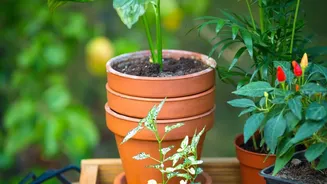

A north-facing balcony in November can feel like a gardener's challenge, with its limited direct sunlight. But it’s not a lost cause. With smart strategies, you can create a lush, green oasis even in the shadiest of corners.
Embrace Your Ambient Light
First, it's essential to understand
the kind of light a north-facing balcony receives. While it misses out on direct, intense sunbeams, it gets consistent, indirect ambient light throughout the day. This cool, gentle light is actually ideal for many plants that would get scorched in direct sun. In November, the sun's arc is lower in the sky, further reducing direct exposure. Instead of fighting this reality, the key is to work with it. Observe your balcony at different times. You might notice that certain corners get a bit more brightness, perhaps reflected off a neighbouring building. This understanding forms the foundation of your gardening strategy. Your goal isn't to mimic a south-facing garden but to create a thriving environment that celebrates shade-tolerant greenery.
Choose Your Plant Champions
The single most important decision is choosing plants that are naturally happy in low-light conditions. Forcing sun-loving plants to live in the shade is a recipe for disappointment. Instead, focus on plants celebrated for their foliage, texture, and ability to thrive without direct sun. Lush ferns, like the Boston fern or bird's nest fern, are classic choices that add instant texture and a deep green hue. Hostas are another fantastic option, available in a wide variety of leaf colours and patterns, though they may go dormant in cooler weather. For a splash of colour, consider Heuchera (coral bells), which offer stunning foliage in shades of purple, lime green, and deep red. Aspidistra, often called the 'cast iron plant', is nearly indestructible and perfect for the darkest corners. For trailing effects, English ivy is a hardy choice. If you crave flowers, some varieties of Begonia and Impatiens can tolerate partial shade and may provide blooms if the location gets some bright, indirect light.
Become a Light Architect
Maximizing the available light is your next mission. This involves cleverly bouncing and reflecting every bit of brightness you can get. The most effective trick is to use reflective surfaces. Painting the wall behind your plants a bright, clean white will instantly make the space feel brighter and bounce ambient light back onto your plants. You can also strategically place a few weather-resistant mirrors. A large mirror can dramatically increase the sense of light and space, while smaller ones can be angled to direct light towards specific plant groupings. Don't underestimate the power of the ground plane. Using light-coloured floor tiles or a light-coloured outdoor rug can also contribute to the overall brightness. For your pots, consider a top dressing of white gravel or sand, which acts as a mini-reflector right at the base of the plant.
Strategic Staging and Containers
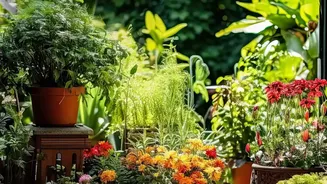
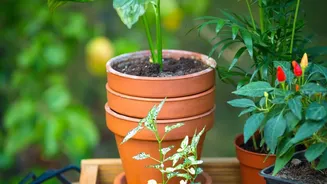
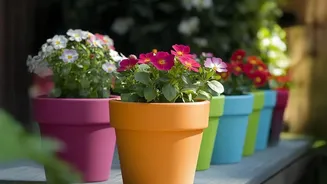
How you arrange your plants matters immensely. Place the most light-tolerant plants in the brightest spots, perhaps near the balcony railing, and save the deepest shade lovers for the back. Use vertical space to your advantage. Hanging baskets can catch more light than pots sitting on the floor. Tiered plant stands allow you to position several plants in a small footprint, with those on the top tier getting the most exposure. When it comes to choosing containers, colour makes a difference. Light coloured pots—whites, creams, and pastels—not only contribute to the reflective strategy but also keep the soil from getting too cold, as dark pots absorb and then lose heat more rapidly.
November Care and Maintenance
Winter care on a shady balcony is about careful moderation. Plants in low light and cooler temperatures grow more slowly and therefore need less water and nutrients. Overwatering is the biggest risk, as the soil will take much longer to dry out without direct sun and heat. Before watering, always check the soil moisture by inserting your finger a couple of inches deep. If it feels damp, wait. You should also stop fertilizing your plants by late autumn. Feeding encourages new, tender growth that can be easily damaged by a sudden cold snap. Keep your plants clean by gently wiping their leaves with a damp cloth. Dust accumulation can block what little light they receive, hindering photosynthesis.