



A New Frontier for Adventure
For years, international destinations like Thailand or closer home, the Andamans, were the default choice for scuba diving. However, Lakshadweep is rapidly emerging as a compelling alternative for those in the know. Its appeal lies in its relative isolation
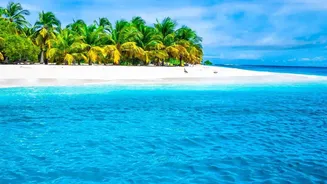
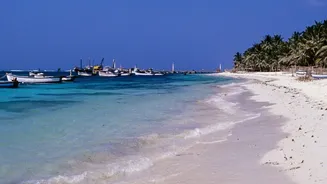
and untouched beauty. Unlike more established tourist hubs, the islands offer a quieter, more authentic experience. This ethos of exploring the unexplored strongly resonates with young backpackers who prioritise unique adventures over mainstream travel. The archipelago's 36 islands form a chain of coral atolls in the Arabian Sea, offering a sense of true remoteness that is hard to find elsewhere.
What Lies Beneath the Waves
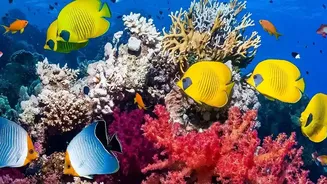
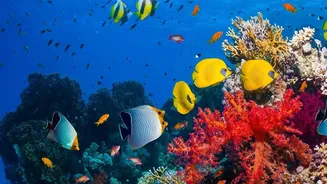
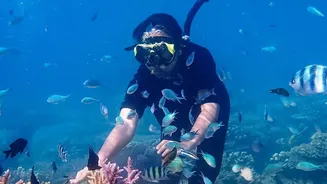
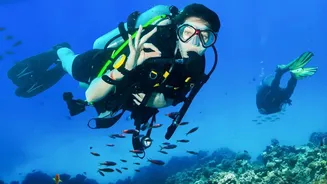
The main attraction is, without a doubt, the incredible underwater world. Lakshadweep boasts some of the most vibrant coral reefs in the Indian Ocean. The clear, warm waters offer phenomenal visibility, often exceeding 30 metres, making it a diver's paradise. The marine biodiversity is staggering, with divers regularly encountering green sea turtles, majestic eagle rays, harmless reef sharks, and vast schools of colourful tropical fish like parrotfish and angelfish. Key islands such as Agatti, Bangaram, Kavaratti, and Kadmat serve as hubs for diving, each offering unique underwater topographies, from sloping reefs and coral gardens to dramatic walls and pinnacles.
Diving for Every Skill Level
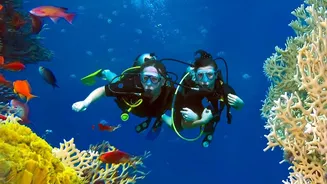
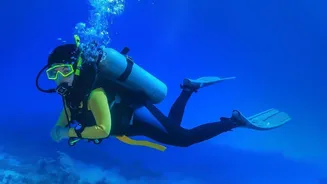
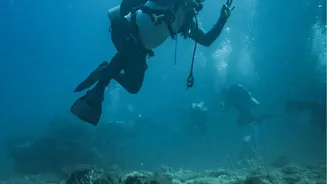
You don’t need to be a seasoned diver to explore Lakshadweep’s treasures. The calm, protected lagoons are perfect for beginners. PADI (Professional Association of Diving Instructors) certified dive centres across the islands offer a range of experiences. First-timers can opt for a 'Discover Scuba Dive', a supervised, shallow-water experience that provides a taste of the underwater world without requiring certification. For those wanting to take the next step, the PADI Open Water Diver course, a globally recognised certification, can be completed in about four days. Packages for already certified divers are also readily available, allowing them to explore deeper and more challenging sites.
The Backpacker's Budget
While not the cheapest destination in India, a scuba diving trip to Lakshadweep offers significant value compared to international alternatives. A PADI Open Water course in Lakshadweep typically costs between ₹22,000 and ₹31,000, which is often more affordable than a similar course in popular Southeast Asian destinations once flights and visas are factored in. Many young travellers find that the cost is justified by the world-class experience. Government-run packages and an increasing number of homestay options on islands like Agatti provide more budget-friendly accommodation choices, making the destination more accessible to backpackers.
Planning Your Underwater Escape
A trip to Lakshadweep requires more planning than your average getaway. The ideal season for diving is from October to May, when the seas are calm and visibility is at its peak. Travel during the monsoon (June to September) is generally not possible as boat operations are suspended. Reaching the islands usually involves a flight from Kochi to Agatti Island, the archipelago's main airport. From Agatti, speed boats transfer visitors to other islands like Bangaram and Kavaratti. Crucially, all visitors require an entry permit, which must be applied for in advance through the official online portal or a registered travel agent. Booking accommodation and dive packages beforehand is essential, as these often facilitate the permit process.
Diving with Responsibility
The pristine nature of Lakshadweep's ecosystem is its greatest asset, and there is a strong emphasis on sustainable tourism. The coral reefs are delicate environments, and divers are reminded to be mindful of their impact. Choosing a reputable, certified dive operator ensures that safety and environmental best practices are followed. Simple rules like not touching the coral, maintaining good buoyancy control to avoid kicking up sand, and not leaving any waste behind are critical to preserving this underwater paradise for future generations of adventurers.