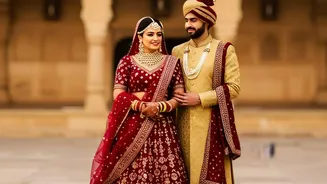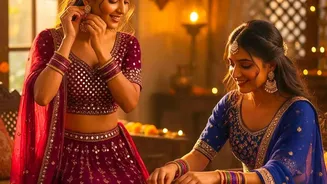

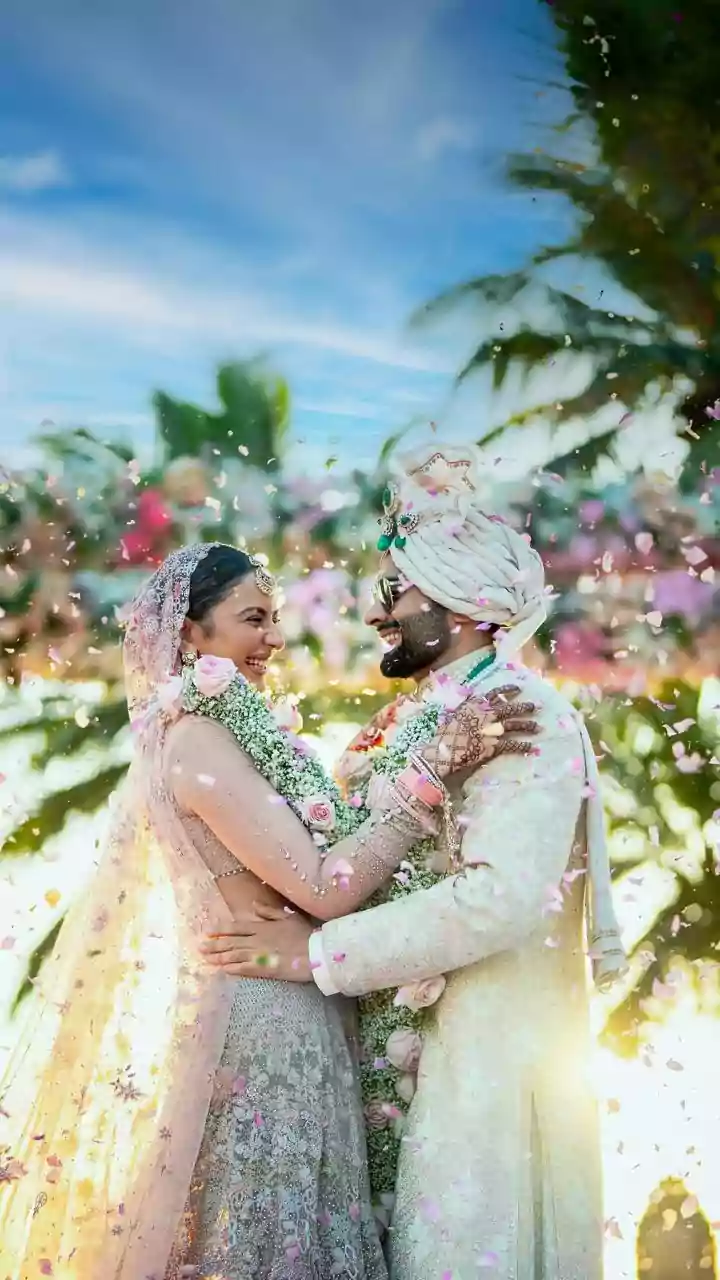
The big fat Indian wedding once meant outfits worn for a single day of glory before being packed away forever. But a quiet revolution is underway, led by a savvy new calculation: cost-per-wear. Here’s how this mindset is changing everything.
From One-Time Splurge to Long-Term Value
The cost-per-wear
formula is simple: divide an item's price by the number of times you wear it. An expensive lehenga worn once has a high cost-per-wear, while a versatile outfit worn ten times offers far greater value. For generations, Indian wedding shopping has defied this logic, prioritizing single-day grandeur. But a major shift is happening. Driven by Gen Z and Millennial shoppers, practicality and personal style are gaining ground. This new guard of consumers, raised with economic uncertainty and a keen awareness of sustainability, is questioning the wisdom of spending a fortune on an outfit destined for a trunk. They are moving away from 'performative' shopping towards more intentional, personal, and sustainable choices. This doesn't mean compromising on beauty; it means investing in pieces that last beyond the wedding day.
The Rise of Modular and Versatile Design
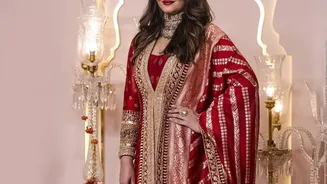
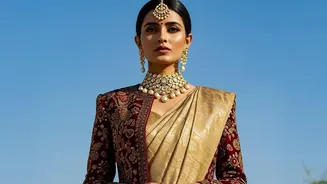
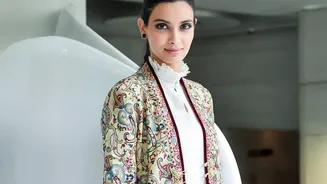
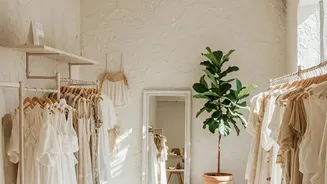
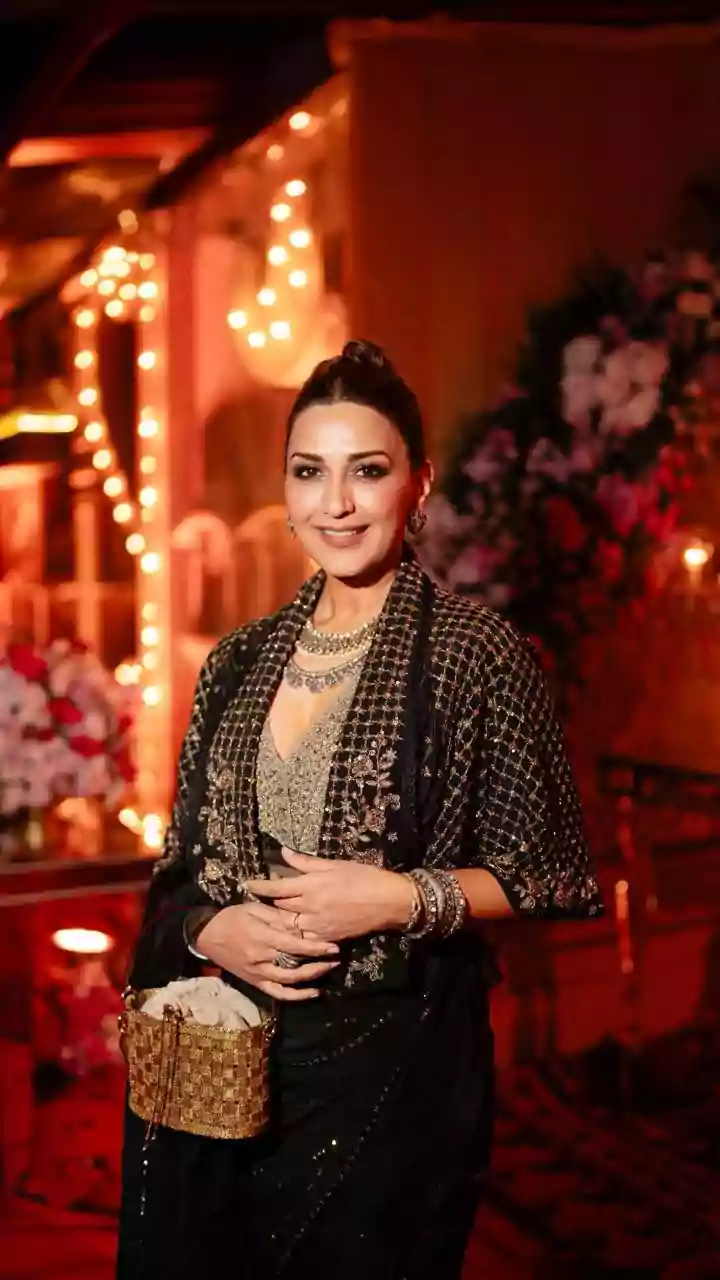
The most visible trend born from this mindset is the demand for modular and versatile occasionwear. Designers are responding with innovative, multi-functional outfits. Think of lehengas with detachable components, like jackets, capes, or statement blouses that can be paired with other items later. A heavily embroidered dupatta from a bridal set can be worn with a simple suit, or an ornate blouse can be paired with a plain saree or a contemporary skirt. This mix-and-match approach is transforming the lifecycle of a wedding outfit. It allows wearers to deconstruct a grand ceremonial look into several smaller, wearable combinations for future festivities, making the initial investment far more sensible. This trend is about seeing an outfit not as a single piece, but as a collection of possibilities.
A Shift in Fabrics and Palettes
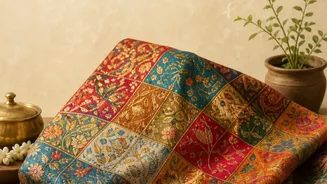
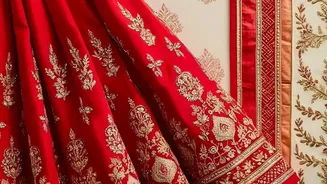
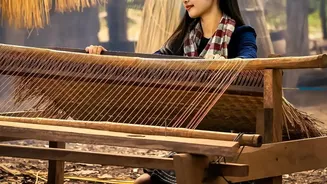
The cost_per_wear philosophy is also influencing material and colour choices for 2026. While classic red remains a beloved choice for ceremonies, there's a significant move towards lighter, more breathable fabrics like organza, tissue silk, and Chanderi. These materials feel more comfortable and are less tied to a single, grand occasion. The colour palette is also expanding to include versatile pastels, ivory, champagne, and muted jewel tones. These softer, more contemporary hues are easier to re_style for other events, unlike a heavily traditional red or maroon lehenga which can feel out of place at a non_wedding function. This move towards natural, handcrafted textiles also aligns with a growing desire for sustainability and supporting local artisans.
Sustainability: From Buzzword to Core Value
The embrace of cost_per_wear is intrinsically linked to the larger movement towards sustainability. A staggering 62% of Gen Z shoppers prefer to buy from sustainable brands. This generation, defined by its social and environmental consciousness, wants its wedding attire to reflect its values. This means favouring brands that use natural dyes, employ ethical production practices, and support artisan communities. It also includes a booming interest in renting, thrifting, and upcycling bridal wear. By choosing an outfit that can be worn multiple times, shoppers are actively rejecting the wastefulness of fast fashion and single_use couture. For the 2026 bride, a handcrafted piece that supports traditional skills is becoming the ultimate luxury—a statement of both style and substance.
Redefining Heirlooms for the Modern Age
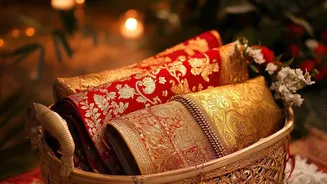
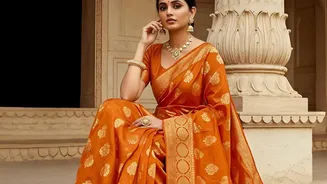
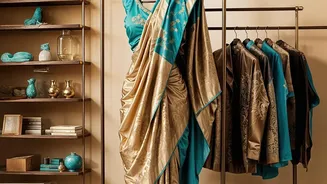
Finally, the cost_per_wear mindset is changing what we consider an heirloom. In the past, an heirloom was often the most expensive, heavily embroidered piece. Today, the focus is shifting to timelessness and quality craftsmanship. An investment piece is no longer just about the weight of the zardozi but the quality of the handwoven textile and the timelessness of the design. Consumers are gravitating towards pieces that tell a story, carry meaning, and possess a sense of permanence that goes beyond a price tag. The new heirloom is a versatile Banarasi saree, a perfectly tailored jacket, or a classic lehenga skirt that can be passed down and, more importantly, re_worn and re_loved for years to come. It’s an investment in enduring style, not just a one–day spectacle.