








The Predictable Perils of Monsoon Roads
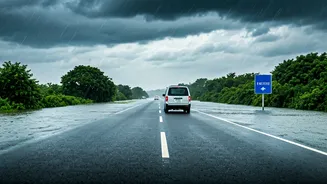
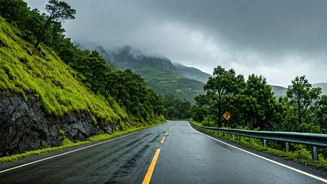
Each year, the story repeats itself with tragic predictability. The arrival of heavy rains transforms our road networks into treacherous obstacle courses. Highways become waterlogged, urban streets turn into canals, and in hilly regions, the threat of landslides
looms large. Driving becomes a high-stakes activity defined by poor visibility, slippery surfaces, and the constant danger of hidden potholes that can damage vehicles or cause accidents. The risk of hydroplaning, where a vehicle loses traction on a wet surface, increases dramatically, making even well-maintained roads dangerous. These conditions lead to a surge in traffic accidents and leave countless commuters stranded for hours. While the romance of a monsoon drive is a popular notion, the reality is far starker: road travel during this season is inherently risky and unreliable, placing a heavy burden on individuals and the economy.
Railways: A More Resilient Alternative
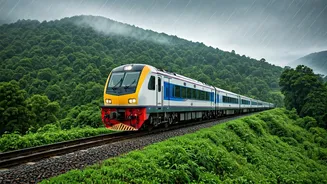
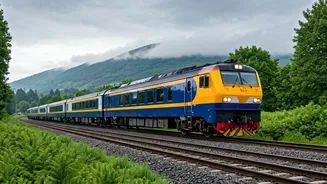
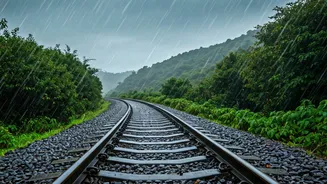
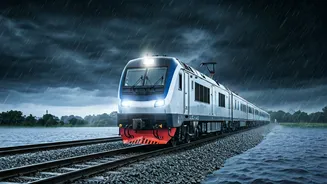
In the face of these challenges, rail travel presents a fundamentally safer and more resilient option. By design, railway infrastructure is often built on higher ground and engineered to withstand difficult conditions. While not immune to disruption, the system has inherent advantages. A well-maintained rail line is less susceptible to the kind of widespread waterlogging that paralyses road traffic. Furthermore, railway authorities actively prepare for the monsoon, implementing measures like intensified track patrolling, clearing drains, and installing monitoring systems for bridges and cuttings. The Konkan Railway, for instance, a route famous for its challenging monsoon conditions, has drastically reduced major disruptions over the past decade through extensive geo-safety works and proactive maintenance. These efforts show that with focused investment, rail can function as a reliable backbone for the country, even in the wettest months.
The Investment Gap and the Path Forward
The key issue is not whether rail is a better option, but whether we are investing enough to make it the default safe choice for everyone. Indian Railways is undertaking significant infrastructure projects, completing thousands of kilometres of new lines, doubling tracks, and upgrading signaling systems. Recent approvals for projects in Bihar and across eastern India aim to ease congestion and improve safety on overloaded corridors. However, the sheer scale of the country and decades of underinvestment mean that many crucial routes remain vulnerable or operate beyond their capacity. The focus must be on accelerating these upgrades, particularly in regions prone to extreme weather. This includes not just laying more track, but also raising low-lying lines, strengthening old bridges, and improving drainage systems across the network.
A Shift in National Priority
Ultimately, tackling our monsoon travel woes requires more than just engineering solutions; it demands a shift in our national mindset. We must move away from accepting seasonal disruption as a fact of life and instead see it as a policy failure. Prioritising rail travel means making a conscious choice to build a transportation system that values public safety and reliability above all else. This involves sustained, long-term funding, and a clear political will to fast-track critical projects that enhance all-weather connectivity. Projects like the high-speed rail corridor are symbols of progress, but the real test is in upgrading the vast conventional network that serves hundreds of millions of Indians daily. Making this network robust and safe year-round is the most effective way to reduce the risks associated with rainy season travel.