



First, Understand Your Light
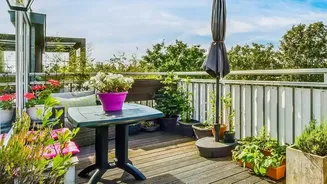
Before you buy a single plant, become an observer of your own space. The biggest mistake in balcony gardening is choosing herbs that need more light than your space can offer. Spend a day tracking the sun. Note when direct sunlight first hits your balcony and
when it leaves. This simple act will tell you everything you need to know and help you avoid the frustration of a plant that struggles to grow. Generally, balconies can be categorised into three light levels: Full Sun (6 or more hours of direct sun), Partial Sun/Shade (3-6 hours of direct sun), and Low Light/Full Shade (less than 3 hours of direct sun). Knowing which category your balcony falls into is the key to a thriving garden.
Full-Sun All-Stars (6+ Hours)
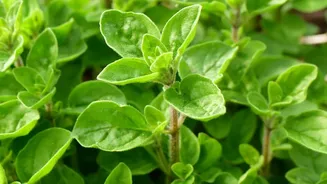
If your balcony is bathed in sunlight for most of the day, you have the perfect conditions for growing a wide variety of flavourful, sun-loving herbs. These Mediterranean herbs thrive in heat and bright light, which helps them develop the essential oils that create intense aroma and taste. Top choices for a sunny Indian balcony include Tulsi (Holy Basil), which is incredibly resilient and handles heat well. Italian Basil, Rosemary, Thyme, and Oregano are also excellent options that demand at least six hours of daily sun. Other great picks are Curry Leaves, Lemongrass, and chillies, all of which are staples in Indian cooking and perform beautifully in full-sun containers. Remember that pots in full sun dry out quickly, so be prepared to water them regularly, especially during hot summer months.
Partial Shade Performers (4-6 Hours)
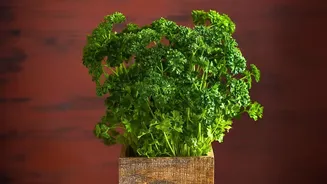
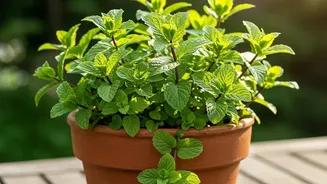
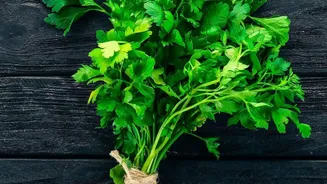
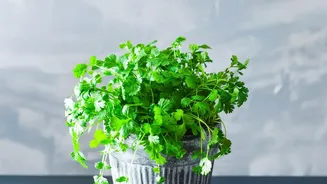
Many balconies, especially in dense urban areas, get good light but not all-day sun. These spaces, which receive about four to six hours of direct sunlight, are ideal for a range of leafy green herbs. These plants appreciate the morning sun but can benefit from some shade during the hottest part of the afternoon. Mint (Pudina) is a famously easy-to-grow herb that does very well in partial shade, but be sure to keep it in its own pot to control its aggressive spread. Parsley, Chives, and Coriander (Dhania) also fit perfectly into this category. While they can tolerate sun, their leaves stay tender and are less likely to bolt (flower prematurely) with some afternoon protection. Lemon balm is another great choice, adding a citrusy scent to your space and thriving with moderate light.
Low-Light Champions (Under 4 Hours)
A shady balcony with less than three hours of direct sun might seem challenging, but you can still grow fresh herbs. The key is to choose plants that are naturally adapted to cooler, shadier conditions. You won't be growing sun-worshippers like basil or rosemary here, but soft, leafy herbs can still flourish. Mint is again a top contender, as it is very adaptable and can handle lower light levels. Other herbs that cope well with bright shade include Parsley, Chives, and Lemon Balm. While their growth might be less vigorous than in a sunnier spot, they will still produce usable leaves. For very low light, consider options like Malabar spinach or Gotu Kola, which are well-suited to shadier spots on Indian balconies. Just be mindful of overwatering, as soil in shady pots dries out much more slowly.
Tips for a Healthy Herb Garden
Once you've matched your herbs to your light, a few extra tips will ensure success. First, choose the right pot size; herbs like rosemary need deeper pots, while thyme is happy in a shallower one. Good drainage is non-negotiable for almost all herbs, as they dislike having 'wet feet' or soggy soil. Ensure your pots have holes at the bottom. Pruning is also your friend. Regularly snipping your herbs not only provides you with fresh ingredients for your kitchen but also encourages the plant to become bushier and more productive. For herbs like basil, pinching off flowers as they appear will stop the plant from putting its energy into seed production and encourage more leaf growth. Finally, don't be afraid to start small. A few well-cared-for pots can provide a surprising amount of flavour and joy.