


The Waterfall Trail: Satara to Thoseghar
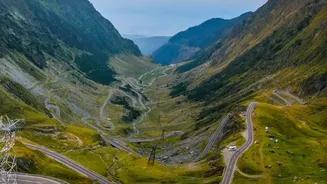
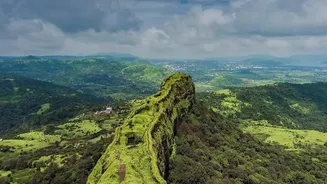
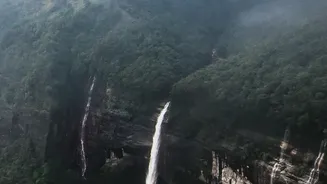
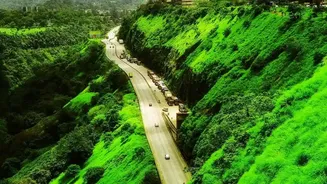
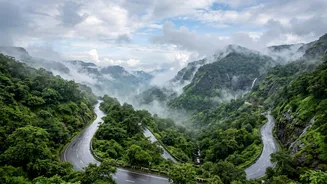
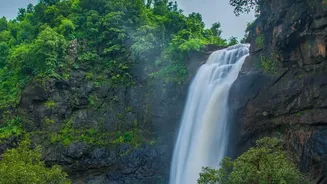
One of the most rewarding monsoon drives is the 20-kilometre route from Satara city to the magnificent Thoseghar Waterfalls. The journey itself is a treat, with winding roads flanked by lush fields and misty mountains. During the peak monsoon months of July
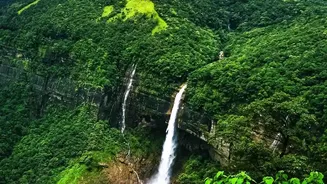
to September, the landscape is at its most dramatic. The main attraction, Thoseghar, is a series of cascades, with one of the primary falls plunging from a height of nearly 200 metres. A well-maintained viewing platform allows for safe and spectacular views of the roaring falls. The drive can be extended to the nearby Chalkewadi Windmill Farm, where you can see hundreds of windmills turning against a backdrop of dark monsoon clouds, creating a surreal and powerful sight. The entire circuit is a sensory experience, filled with the roar of water and the fresh scent of rain-soaked earth.
The Plateau of Flowers: The Road to Kaas
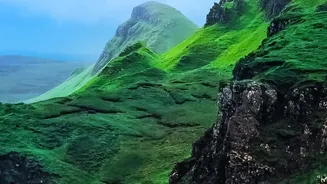
While the main floral bloom of the Kaas Plateau is famous from late August to early October, the drive to this UNESCO World Natural Heritage Site is breathtaking throughout the monsoon. The route from Satara, approximately 25 km long, winds through the hills offering serene views of lakes and valleys. During the monsoon, the entire plateau and its surroundings are covered in a lush green carpet, a prelude to the multi-coloured floral spectacle to come. Even before the main bloom, the drive is worth it for the tranquil atmosphere and verdant scenery. You can combine this trip with a visit to the serene Kaas Lake, located near the plateau. The drive is relatively quiet and provides a refreshing escape, with cool weather and intermittent showers making the experience truly memorable.
The Hill Station Loop: Mahabaleshwar and Panchgani
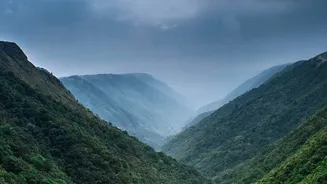
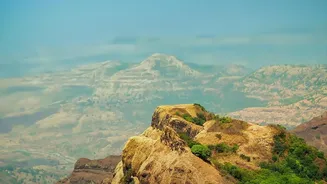
The classic drive connecting Mahabaleshwar and Panchgani is a must-do during the monsoon. These twin hill stations, nestled in the Sahyadri range, come alive with mist and newfound greenery. Famous viewpoints like Kate's Point, Elephant's Head Point, and Arthur's Seat offer stunning, though often fog-shrouded, vistas of the valleys below. The drive between the two towns is dotted with numerous small waterfalls and corn sellers, offering a perfect excuse for a quick stop. A visit to the old Mahabaleshwar temple area adds a touch of heritage to the natural beauty. While popular, a weekday trip can help you avoid the crowds that flock here on weekends. The cool, crisp air and the surreal experience of driving through low-hanging clouds make this an evergreen monsoon favourite.
The 'Mini Kashmir' Detour: Mahabaleshwar to Tapola
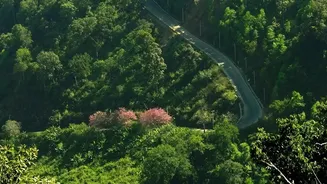
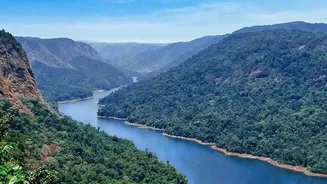
For those seeking a more secluded adventure, the 28 km drive from Mahabaleshwar to Tapola is an excellent choice. Often called the 'Mini Kashmir' of Maharashtra, Tapola is situated at the confluence of the Koyna and Solshi rivers, forming the stunning 90-km-long Shivsagar Lake. The road to Tapola can be narrow and challenging, especially during heavy rain when fog can reduce visibility to a minimum. However, the journey is incredibly scenic, passing through dense forests and offering glimpses of the vast backwaters. This route is less about specific viewpoints and more about immersing yourself in the raw, untouched beauty of the Koyna sanctuary's periphery. It’s a drive that rewards cautious travellers with profound tranquillity and spectacular lakeside views, far from the usual tourist trail.
Essential Monsoon Driving Safety Tips
Driving in the ghats during the monsoon requires extra caution. Before you start, ensure your vehicle is in top condition, especially the tyres, brakes, and wipers. Visibility can drop suddenly due to heavy rain and fog, so always use low-beam headlights and drive slowly. Be wary of waterlogged patches, which can hide deep potholes. It's advisable to avoid overtaking on blind turns and to give way to vehicles climbing uphill. Landslides can be a risk on steeper slopes, so stay alert for any warning signs like falling rocks or mud streams. Download offline maps, as mobile network can be patchy in remote areas, and inform someone of your itinerary. Starting early and avoiding driving after dark will ensure a safer and more enjoyable journey.