


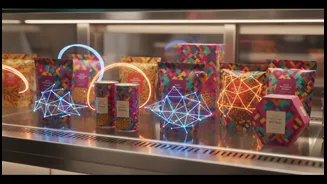


The Global Crunch
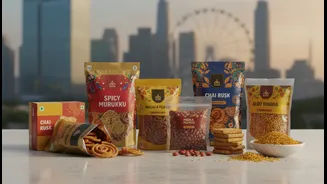
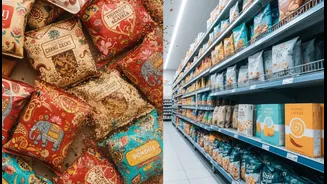
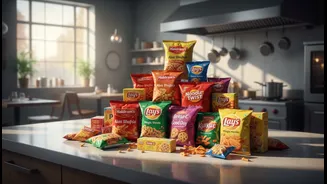
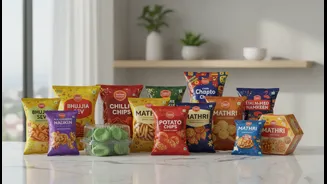
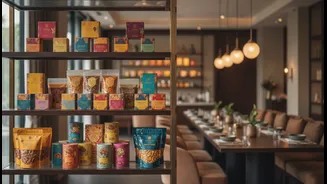
Indian snacks are having a serious moment on the world stage. Once confined to the ethnic food aisles, brands like Haldiram's, Bikaji, and Balaji Wafers are now commanding mainstream grocery store placement. The numbers tell a compelling story: India's
snack exports more than doubled from $0.54 billion in 2019 to $1.2 billion by 2024, a compound annual growth rate of 17 percent. This isn't just about the diaspora seeking a taste of home; it's a strategic push into the global snack market. Haldiram's, for instance, now exports to over 80 countries and has been valued at approximately $10 billion, attracting major international investors. This growth is fuelled by a global appetite for new, bold flavours and, increasingly, healthier options like roasted makhana (fox nuts) and millet-based crisps, which align with Western wellness trends.
Building a 'Palate Bridge'
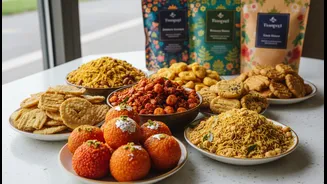
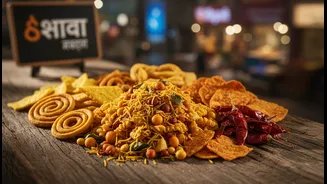
The core of this trend lies in a simple concept: trust. For a consumer in the US or Australia unfamiliar with the complexities of Indian cuisine, trying a full restaurant meal can feel like a gamble. A packet of spiced chips or a savoury namkeen, however, is a low-risk, low-cost entry point. This creates what industry experts call a 'palate bridge.' The positive experience with a packaged snack builds brand familiarity and de-risks the idea of trying a more elaborate dish from the same culinary tradition. Consumers are increasingly seeking authentic ethnic foods but want that authenticity to be accessible. Packaged snacks serve as a crucial first step, introducing nuanced Indian flavours like chaat masala, pudina, and Kashmiri chilli to a global audience one bite at a time.
From Snack Aisle to Restaurant Table
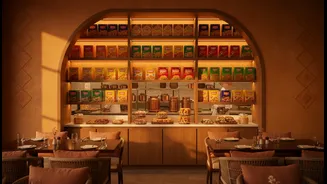
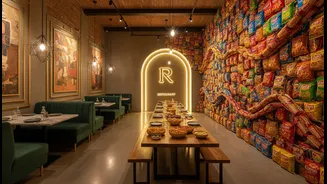
This transition from packaged-food loyalty to restaurant patronage is not automatic, but savvy restaurateurs are starting to connect the dots. The growing popularity of Indian food in markets like the US is a clear signal; demand for dishes like biryani and chaat is rising, while older, anglicized staples are declining. This shows a maturing palate among diners—a palate that was arguably primed by the snack industry. Modern Indian restaurants are already breaking away from old stereotypes, offering menus that are both authentic and innovative. Leveraging the brand equity built by snack companies could be the next logical step. Imagine a menu that describes a dish's flavour profile by referencing a popular snack, or even co-branding a dish, much like Taco Bell successfully did with Doritos. This creates an instant connection for diners, turning an unfamiliar menu item into a familiar and enticing choice.
A Blueprint for Growth
For Indian restaurant owners abroad, this trend presents a clear opportunity. The first step is to recognize that the customer walking through the door may already be a fan of Indian flavours, thanks to the snack aisle. Menus can be designed to guide these customers, using familiar terms and flavour notes popularised by packaged goods. Staff can be trained to ask diners about snacks they enjoy to recommend dishes. Furthermore, restaurants can use their own branded packaging for takeaways as a marketing asset, reinforcing the quality and unique identity of their food. This creates a virtuous cycle: a diner tries a snack, visits a restaurant, and then takes home a branded package that reminds them of the positive experience, deepening their loyalty to both the specific restaurant and the cuisine as a whole.
The Challenge of Authenticity
While the opportunity is significant, there are challenges. The primary risk is oversimplification. Indian cuisine is incredibly diverse, and relying too heavily on snack-food flavour profiles could flatten the perception of this culinary landscape. The goal is not to make every dish taste like a packet of chips, but to use that familiarity as an invitation to explore deeper. The definition of 'authentic' is personal and varies widely among consumers. The key for restaurants is to be transparent about their offerings and use the snack-food connection as a starting point for a conversation about regional specialities, ingredients, and the rich history behind the food. It’s about building on the foundation that snack brands have laid, not being limited by it.