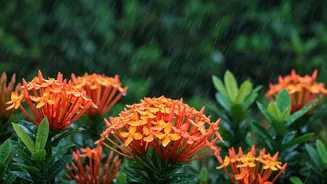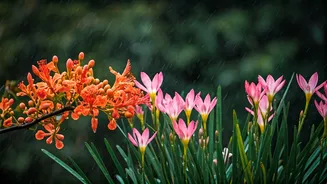





The Fiery Gulmohar (Delonix regia)
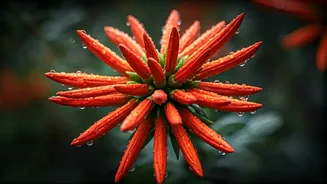
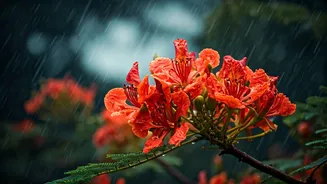
Often called the 'flame of the forest', the Gulmohar tree is a spectacular sight during the early monsoon. After standing bare for a while, its branches erupt in a blaze of scarlet, orange, and crimson flowers. The sheer abundance of these blooms creates
a fiery canopy over avenues and parks, and the fallen petals form a vibrant carpet on the wet ground. This tree signals the dramatic shift in season, its flamboyant display a stark contrast to the often-grey monsoon skies. It's a photographer's delight and a powerful reminder of nature's resilience, bursting into life with the first promise of rain. Seeing a Gulmohar in full bloom is a core memory for many who have grown up in India, a visual shorthand for the arrival of the rains.
The Fragrant Jasmine (Mogra/Chameli)
While many flowers delight the eyes, jasmine captivates the soul with its scent. The monsoon seems to amplify the fragrance of varieties like Mogra and Juhi. As the humidity rises in the evening, these delicate white flowers release an intoxicating perfume that hangs heavy in the air. For centuries, jasmine has been woven into the cultural fabric of India. Women wear strings of it in their hair, its buds are offered in temples, and its essential oil is a prized ingredient in perfumes. A small jasmine plant on a balcony or in a courtyard can transform the experience of a rainy evening, filling the home with a scent that is both calming and deeply nostalgic.
The Hardy Hibiscus (Gudhal)
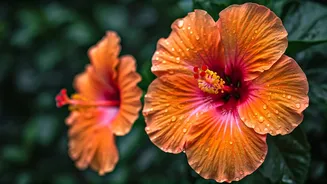
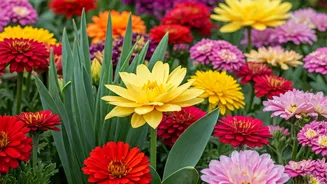
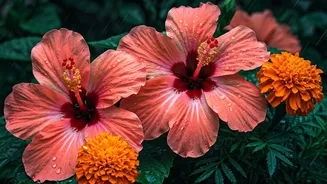
The humble Hibiscus is a stalwart of Indian gardens, and it truly comes into its own during the monsoon. The rain-washed leaves turn a deeper shade of green, providing the perfect backdrop for its large, showy flowers. Available in a dazzling array of colours—from deep reds and bright yellows to delicate pinks and pristine whites—the Gudhal blooms generously throughout the rainy season. Each flower may last only a day, but the plant produces them in such succession that it remains a constant source of colour. Beyond its beauty, the red Hibiscus holds a special place in religious ceremonies, often offered to deities like Ganesha and Kali, symbolizing passion and divine energy.
The Divine Lotus (Nelumbo nucifera)
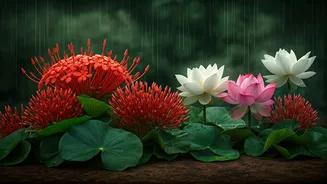
The Lotus is more than just a flower in India; it is a profound symbol of purity, enlightenment, and rebirth. The monsoon is the season when this aquatic marvel truly thrives. As ponds and lakes fill with rainwater, the Lotus sends its pads floating to the surface, followed by magnificent blooms that rise above the murky water, untouched and pristine. The sight of a Lotus opening its petals at dawn is a moment of serene beauty. This ability to emerge flawless from muddy origins has made it a central icon in Hinduism and Buddhism. Finding a Lotus pond in full bloom during a monsoon trek is a magical experience, connecting you to a deep spiritual and aesthetic tradition.
The Cheerful Marigold (Genda)
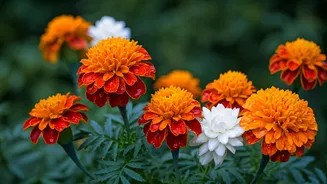
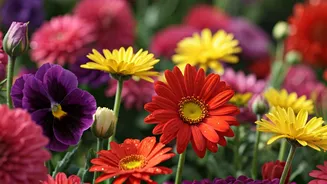
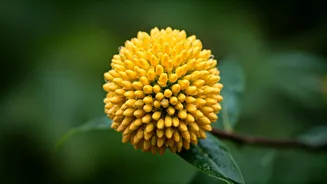
On a grey and overcast monsoon day, a bed of marigolds is like a patch of captive sunshine. Their bright, pom-pom-like flowers in shades of brilliant yellow, orange, and rust bring an infectious cheerfulness to any garden or balcony. Marigolds are incredibly easy to grow and flourish in the monsoon moisture, often continuing to bloom well into the festive season. They are the quintessential flower of celebration in India, used extensively to make garlands for weddings, festivals, and religious rituals. Their slightly spicy, distinct scent is instantly recognizable and associated with joyous occasions. During the rains, their robust colour is a welcome antidote to the muted landscape.
The Ethereal Cape Jasmine (Gandharaj)
If jasmine is the queen of fragrance, the Cape Jasmine, or Gandharaj, is the undisputed king. The name itself translates to 'king of smells'. This evergreen shrub produces large, waxy, white flowers with a fragrance so rich and complex it can perfume an entire garden. The blooming season peaks during the monsoon, and the scent becomes particularly potent after a downpour, mingling with the earthy smell of wet soil. The creamy white petals, arranged in a beautiful spiral, are a vision of elegance. While not as commonly seen as jasmine or marigold, having a Gandharaj bush in your vicinity during the monsoon is a luxurious sensory experience, a reminder of the quiet, sophisticated beauty that the season can hold.