






The Allure and the Inherent Risk
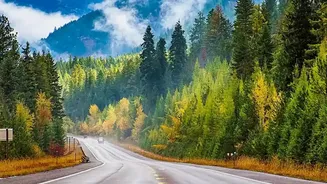
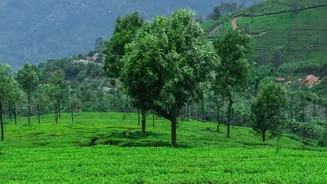
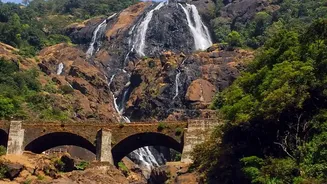
The transformation of India’s landscape during the monsoon is breathtaking. Hills turn a vibrant emerald, waterfalls cascade with full force, and the air feels fresh and cool. It’s no wonder that destinations from the Western Ghats to the Himalayan foothills
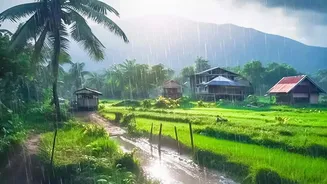
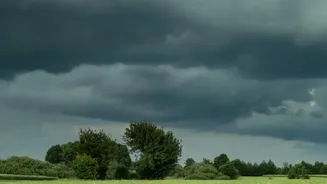
become popular getaways. However, this seasonal beauty is accompanied by significant and often underestimated dangers. The same rains that revitalise nature can trigger devastating flash floods and landslides. Recent events in August 2026 across states like Assam and Kerala serve as a stark reminder, where heavy rains led to tragic loss of life and forced thousands to evacuate. The primary danger in hilly regions is the instability of saturated slopes, which can lead to road blockages that strand travellers for days. A dream vacation can quickly turn into a logistical nightmare if you're not prepared for the weather's power.
Decoding the Forecast: Beyond 'Rainy'
A simple weather app icon showing a cloud with raindrops is not enough information for a safe monsoon trip. You need to understand the intensity and potential impact of the rainfall. This is where the India Meteorological Department (IMD) colour-coded alerts become critical. These alerts—Green (no warning), Yellow (be aware), Orange (be prepared), and Red (take action)—are designed to provide a clear, simple breakdown of risk. A Yellow alert suggests monitoring conditions, as they might worsen. An Orange alert signifies a high potential for disruptions like waterlogging and transport delays, advising you to be prepared. A Red alert is the most serious, warning of extremely heavy rainfall that poses a threat to life and property, and it often comes with advice to avoid all non-essential travel. Understanding these warnings allows you to make informed decisions, whether that means altering your route or postponing a day's sightseeing.
Your Essential Weather Toolkit
Arming yourself with the right information is simple, thanks to several reliable digital tools. The most crucial app for any traveller in India is MAUSAM, the official app from the IMD. It provides forecasts, radar images, and severe weather warnings directly from the source. Another highly reliable, 'made in India' option is Skymet Weather, which uses a vast network of over 7,000 automatic weather stations to provide granular data, including three-day hourly forecasts and 14-day outlooks. For minute-by-minute precipitation forecasts—telling you almost precisely when rain will start or stop—AccuWeather is a popular international choice that performs well in India. Using a combination of these apps provides a comprehensive picture, from the broad, multi-day forecast to hyper-local, immediate updates that can help you dodge a sudden downpour.
Look Up From the Screen: Heed Local Wisdom
While technology is invaluable, it should complement, not replace, on-the-ground observations and local knowledge. Residents and local authorities in hilly or coastal areas possess a nuanced understanding of their environment that no app can fully replicate. Before venturing into remote areas, check for advisories from the State Disaster Management Authority (SDMA). Local traffic police social media accounts are also excellent sources for real-time updates on road closures and diversions. Pay attention to physical signs around you. Are the rivers swelling? Are small streams forming on hillsides where there were none before? Is there an unusual amount of debris on the roads? These are all warning signs. Often, the best advice comes from your guesthouse owner or a local driver who knows which routes are safe and which have become hazardous. Trust their experience.
Plan for Flexibility, Not Perfection
The most important part of any monsoon itinerary is flexibility. A rigid, tightly-packed schedule is a recipe for stress and disappointment when the weather inevitably forces a change of plans. When booking accommodation and transport, look for options that offer refunds or easy rescheduling. Build buffer days into your trip to account for potential delays from road closures or cancelled transport. A road trip that should take five hours might take ten if a landslide blocks the main highway. Having that extra day means you can wait safely for the road to clear instead of taking unnecessary risks. It’s also wise to have a backup plan. If your primary destination is a high-altitude hill station known for landslides, have a safer, lower-altitude alternative in mind. This mindset shift—from a fixed plan to an adaptable adventure—is key to a successful and enjoyable monsoon journey.