


1. Reimagine the Humble Sabudana
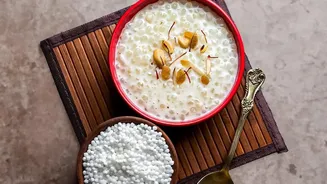
Sabudana khichdi is a fasting staple, but tapioca pearls are far more versatile. For a change, try making sabudana vadas, which are crispy on the outside and soft on the inside. To make them more interesting, add a filling of grated coconut, crushed peanuts,
and a hint of green chilli. Another great option is a sabudana thalipeeth, a savoury pancake made by mixing soaked sabudana with mashed potatoes, roasted peanut powder, and spices. Cooked on a griddle with a bit of ghee, it offers a delightful texture that’s different from the usual khichdi. You could even attempt sabudana idlis for a light, steamed alternative to the typically fried fare.
2. Experiment with Different Flours
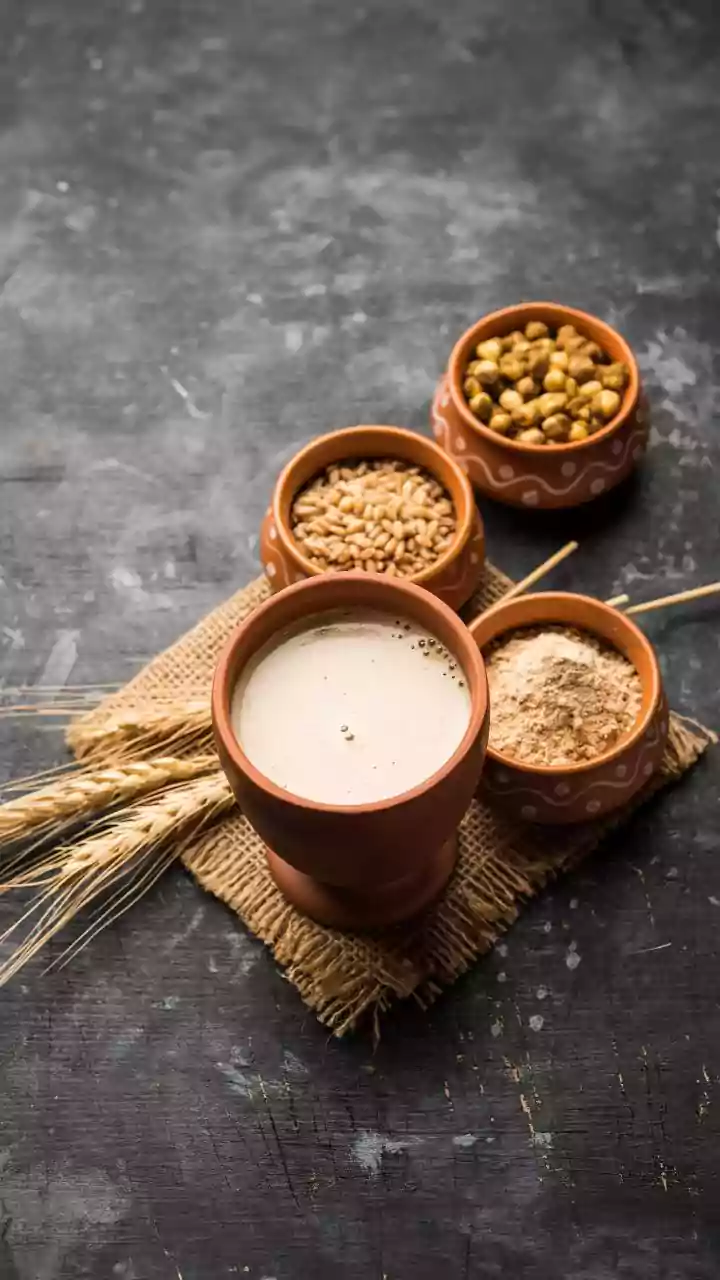
During fasting, several types of flours are permitted, so why stick to just one? Move beyond kuttu ka atta (buckwheat flour) and explore rajgira (amaranth) and singhara (water chestnut) flours. Rajgira flour can be used to make soft parathas or theplas by combining it with mashed potato, cumin powder, and fresh coriander. Singhara flour is perfect for making crispy cheelas or pancakes; a batter made with grated potato, rock salt, and green chillies results in a delicious and filling breakfast. These flours are not only gluten-free but also packed with nutrients, offering a healthier and more diverse base for your morning meals. You can even try making dosas with these flours for a South Indian twist.
3. Get Creative with Fruits and Nuts
A simple bowl of fruit is healthy, but it can get repetitive. Elevate it by creating a layered fruit and yogurt parfait. Use thick, hung curd, and alternate layers of chopped seasonal fruits like bananas and apples with a sprinkle of roasted nuts and seeds. For a touch of sweetness, drizzle some honey on top. Another excellent idea is a dry fruit smoothie. Soak a handful of almonds, walnuts, and dates in milk overnight, then blend them in the morning with a pinch of cardamom for a rich and energy-dense drink that will keep you full for hours. You can also make a quick makhana (fox nut) and nut mix by roasting them in ghee and adding a light seasoning.
4. Introduce Surprising Textures
Often, what makes a meal interesting is not just the flavour but the texture. Instead of plain boiled potatoes, try making crispy sweet potato tikkis or a simple sweet potato chaat. For a satisfying crunch, roast a bowl of makhana (fox nuts) in a teaspoon of ghee and toss them with rock salt and black pepper. These can be eaten on their own or added to a yogurt bowl. To introduce a creamy element, mash boiled sweet potatoes with a little coconut milk and ginger for a smooth, flavourful side that pairs well with rajgira puris or parathas. Even adding coarsely crushed roasted peanuts to your sabudana khichdi can transform the dish by adding a welcome crunch.
5. Master the Art of Vrat-Friendly Chutneys
Never underestimate the power of a good condiment. A flavourful chutney can instantly liven up even the simplest meal. During vrat, you can make a variety of delicious dips. A classic green chutney can be prepared using coriander, mint, ginger, green chillies, and a little yogurt or lemon juice for tanginess. For something different, try a tomato and peanut chutney, which offers a tangy and nutty flavour profile. A sweet and tangy date and tamarind chutney is another excellent option that pairs wonderfully with savoury items like pakoras or tikkis. These chutneys are easy to make and can be prepared in advance, ensuring your breakfast is always accompanied by a burst of fresh flavour.