





The Great Indian Protein Boom
It’s undeniable that protein has moved from the niche shelves of fitness stores into mainstream Indian kitchens and shopping carts. The numbers are staggering, with India’s protein-based product market valued at over ₹38,000 crore in 2024 and projected
to grow significantly. This boom is fuelled by a surge in demand not just in metros like Bengaluru, but also in Tier II cities like Nagpur and Jaipur. Quick commerce platforms have seen a 150% surge in protein-related orders over the past two years, with items like protein yoghurt, wafers, and fortified staples becoming commonplace. This reflects a fundamental shift where 'better-for-you' is the new baseline for many consumers, driven by rising health awareness and changing lifestyles.
Why The Sudden Hunger?
Several factors are stirring this protein pot. A major driver is the widespread protein deficiency in Indian diets, with some surveys indicating that over 70% of the population consumes inadequate protein. Traditional diets, often rich in carbohydrates from cereals like rice and wheat, may not provide enough high-quality protein. Post-pandemic, there's been a heightened focus on health, immunity, and overall well-being, pushing consumers to seek more nutritional guidance. This, combined with the powerful influence of social media fitness personalities and a booming gym culture, has turned protein into a lifestyle statement and a marker of healthy living. As a result, 86% of Indians now consider protein an important factor when choosing snacks.
How Much Protein Do You Really Need?
With all the hype, it's easy to think more is always better. However, experts offer a more measured view. The Indian Council of Medical Research (ICMR) recommends about 0.8 to 1.0 grams of protein per kilogram of body weight for a healthy adult. For a 60 kg person, that’s roughly 48-60 grams daily. Active individuals and older adults may need slightly more, around 1.2 g/kg, to support muscle repair and prevent age-related muscle loss. While higher intakes up to 2 g/kg are generally considered safe for healthy people, excessive consumption, especially from processed sources, can pose risks. The goal isn't just to add protein, but to achieve a balanced intake of all essential nutrients.
The Good, The Bad, and The Powdery
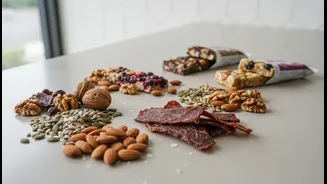
Adequate protein intake offers clear benefits: it helps build and repair muscle, increases satiety to aid in weight management, and helps regulate blood sugar. However, an over-reliance on supplements and processed protein products comes with caveats. Many protein bars, for instance, can be high in hidden sugars, unhealthy fats like palm oil, and artificial sweeteners, making them closer to candy bars than health food. A diet that heavily prioritises protein at the expense of fibre, fruits, and vegetables can lead to nutrient imbalances and digestive issues. For individuals with pre-existing kidney conditions, a very high protein diet can add unnecessary stress.
Embracing Whole Food Proteins
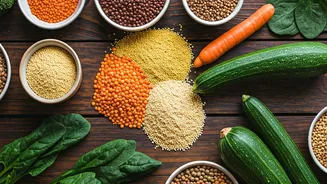
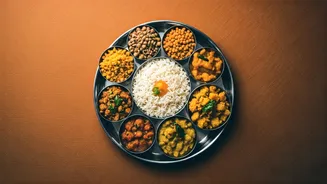
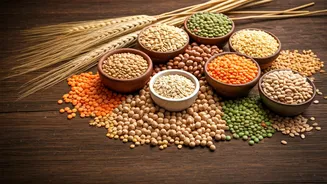
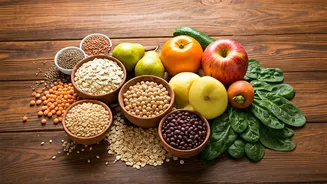
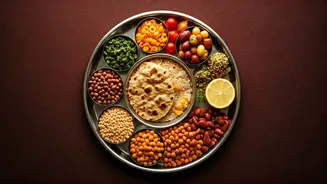
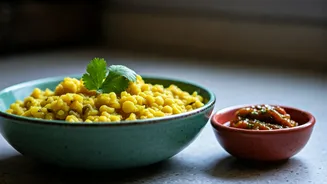
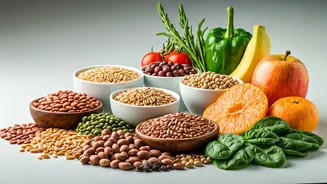
While supplements offer convenience, nutritionists emphasize a 'food-first' approach. India’s traditional cuisines are rich with excellent protein sources that don’t come in a plastic tub. For vegetarians, a varied diet including dals, legumes like rajma and chana, dairy products like paneer and curd, and nuts and seeds can provide a complete amino acid profile. Combining cereals with pulses, like in a simple dal-roti meal, enhances the protein quality. For non-vegetarians, eggs, chicken, and fish are fantastic lean protein sources. These whole foods provide not just protein, but a host of other essential vitamins, minerals, and fibre that are crucial for overall health.