




The World Before Streaming
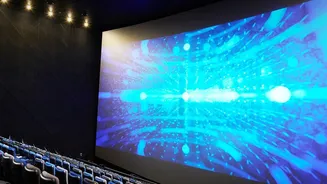
For decades, the journey of a film to its audience followed a sacred, predictable path. A movie would release exclusively in theatres, and its fate was decided in the opening weekend. This theatrical run was everything. After several weeks, or even months,
it would make its way to satellite television. This system, known as the theatrical window, prioritised the big-screen experience and was the undisputed engine of the Indian film industry. Producers and distributors relied on box office collections, and the cinema was the cultural epicentre of movie fandom. The idea of a major film starring a top actor skipping theatres altogether seemed not just unlikely, but commercially unthinkable. The entire ecosystem, from production budgets to marketing campaigns, was built around this single, powerful distribution channel.
The Great Disruption of 2020
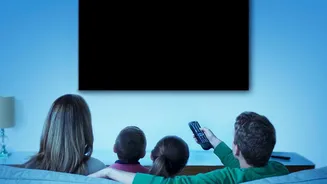
The COVID-19 pandemic brought the industry to a screeching halt. With cinemas shuttered indefinitely, producers with finished films faced a crisis. This is when Over-the-Top (OTT) streaming platforms like Netflix, Amazon Prime Video, and Disney+ Hotstar, which had been steadily growing, stepped in to become industry saviours. They began acquiring films meant for theatrical release and premiering them directly to a homebound audience. Movies with major stars suddenly debuted on streaming services, a move that would have been radical just months earlier. This wasn't just a temporary fix; it was a fundamental disruption that broke the industry's dependence on theatres and introduced a powerful new revenue stream for filmmakers.
A New Battleground Emerges
As the world reopened, a new tension defined the industry. Theatre owners, having weathered the storm, pushed back against the trend of digital premieres, advocating for the return of exclusive theatrical windows to bring audiences back. Meanwhile, streaming platforms, now armed with millions of new subscribers, had become powerful players. They weren't just buying films anymore; they were producing their own original content and competing aggressively for big-ticket movie rights. This led to the establishment of a new, albeit fragile, equilibrium. The long, exclusive theatrical window of the past was shortened considerably, often to around four to eight weeks, creating a hybrid model where a film could enjoy a run in cinemas before quickly moving online.
The Power Shift of 2026
By 2026, the dynamic has evolved again. After a period of spending freely to build subscriber bases, streaming giants have become more selective and powerful. They are no longer just a safety net for producers. Reports indicate that platforms are now deeply involved in the creative and release process, often negotiating deals where the final payout for digital rights is tied to a film's box office performance. This forces producers to once again prioritise the theatrical success of their films, as a flop in cinemas could mean a significantly reduced OTT deal. The message is clear: the big screen experience still matters, and for big-budget films, a successful theatrical run is the primary path to profitability. This has pushed the industry back towards theatrical accountability, ending the pandemic-era guarantee of a lucrative digital sale regardless of a film's performance.
The Real Winner is the Audience
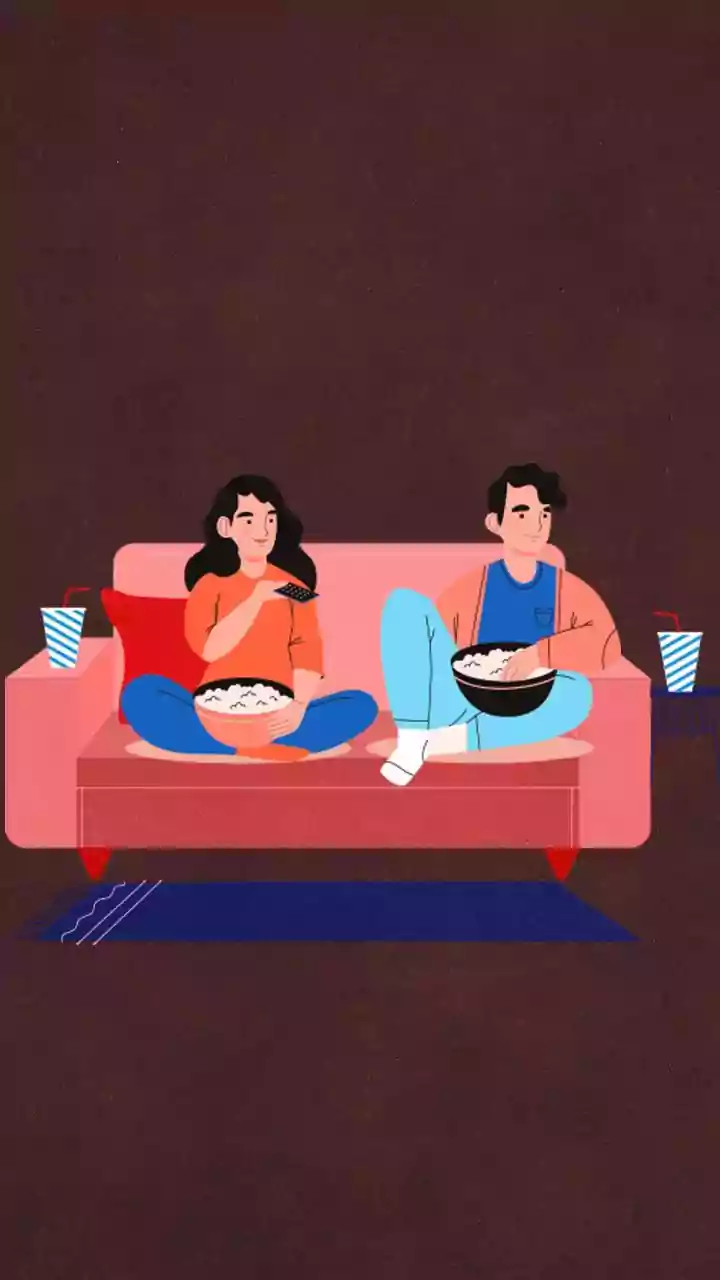
Ultimately, this tug-of-war has resulted in unprecedented choice for the Indian moviegoer. You can now choose the communal thrill of watching a blockbuster on the big screen or wait a few weeks to enjoy it from the comfort of your couch. More importantly, streaming platforms have democratised storytelling. They have become a vital stage for smaller, independent, and regional films that may have struggled to secure a wide theatrical release. Niche genres and bolder narratives have found a home and an audience online, enriching the entire cinematic landscape. Viewers now have access to a wider variety of content than ever before, from global shows to hyper-local stories, all available on demand.